

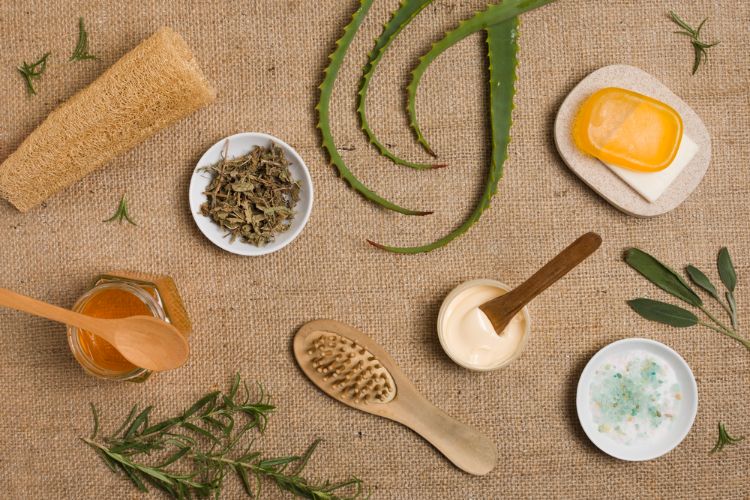
Across India, the shift toward cleaner beauty is becoming hard to ignore. Consumers are reading labels, avoiding harsh chemicals, and leaning toward natural alternatives. But here’s the catch—finding truly organic hair products isn’t always simple. With hundreds of brands claiming “natural,” how do buyers, retailers, or salon owners choose wisely?
For businesses and individual consumers alike, selecting reliable Organic Hair Care Products In India requires more than attractive packaging. It’s about understanding ingredients, verifying authenticity, and recognizing what genuinely supports healthy hair. Let’s explore how to make smarter choices in India’s rapidly growing organic beauty market.
Why Organic Hair Care Is Gaining Popularity
The beauty industry has witnessed a strong shift toward natural formulations. According to research published by the Statista Global Consumer Survey, demand for natural and organic personal care products has increased significantly worldwide, with Asia-Pacific markets seeing steady growth. Consumers increasingly prefer plant-based ingredients that reduce exposure to synthetic chemicals.
In India, where traditional herbal remedies have long been part of daily life, organic hair care simply feels like a natural extension of Ayurveda-inspired practices. Ingredients like amla, neem, hibiscus, and coconut oil have been trusted for generations.
Key Factors to Consider When Choosing Organic Hair Products
Not every product labeled “organic” truly meets the standards. Businesses sourcing products and consumers buying them should evaluate a few critical elements.
Check the Ingredient List Carefully
The ingredient label tells the real story. Authentic organic products rely on plant-derived extracts and natural oils rather than synthetic additives.
- Look for botanical ingredients: Amla, aloe vera, bhringraj, and argan oil are excellent signs.
- Avoid harsh chemicals: Sulfates, parabens, and artificial fragrances often appear in conventional products.
- Shorter ingredient lists: Generally indicate a cleaner, simpler formulation.
For example, an organic shampoo designed for hair fall might feature bhringraj extract and cold-pressed oils instead of chemical strengthening agents.
Look for Certifications and Transparency
True organic brands usually maintain transparency about their sourcing and production. Certifications from trusted organizations offer reassurance.
- USDA Organic or ECOCERT certification
- Ayush or Ayurvedic compliance
- Cruelty-free and sustainable production labels
The USDA Organic Program notes that certified organic products must meet strict standards regarding ingredient sourcing and processing.
Understand Your Hair Type and Needs
Choosing organic products should always start with understanding the hair problem you want to solve.
- Dry or frizzy hair: Look for nourishing oils like coconut or argan.
- Hair fall issues: Choose products containing bhringraj, onion oil, or amla.
- Oily scalp: Neem, tea tree, or aloe-based formulations work well.
Matching ingredients with specific hair needs ensures better results and customer satisfaction—something businesses especially need to keep in mind.
Why Quality Matters for Businesses
Retailers, salon owners, and beauty entrepreneurs are increasingly turning to Handmade & Natural Beauty Products because consumers are actively seeking safer alternatives. Stocking authentic organic hair care items not only builds customer trust but also strengthens brand reputation.
From a business perspective, organic products often create opportunities for premium pricing, repeat purchases, and strong brand loyalty. Customers who switch to natural routines tend to stick with brands that deliver visible results.
Signs of a Trustworthy Organic Hair Care Brand
If you’re sourcing products—whether for retail or personal use—watch for these positive indicators:
- Clear ingredient disclosure: Brands openly share formulation details.
- Sustainable sourcing: Ethical harvesting of herbs and oils.
- Minimal synthetic additives: Natural preservatives when possible.
- Positive customer feedback: Real user reviews matter.
When brands combine transparency with quality ingredients, they tend to earn long-term customer loyalty.
Common Mistakes Buyers Should Avoid
Interestingly, many buyers unknowingly fall into marketing traps. Here are a few pitfalls worth avoiding:
- Trusting the word “natural” blindly: It doesn’t always mean organic.
- Ignoring ingredient percentages: Some products contain only small amounts of herbal extracts.
- Choosing based on price alone: Extremely cheap organic products may compromise quality.
Taking a few minutes to read labels and research brands can make a significant difference in both hair health and business credibility.
Frequently Asked Questions
1. Are organic hair care products really better for hair?
Organic hair products usually contain plant-based ingredients and fewer harsh chemicals, which helps reduce scalp irritation and long-term hair damage.
2. How can I verify if a product is truly organic?
Check ingredient labels, certification marks, and brand transparency. Authentic products often disclose sourcing and manufacturing practices.
3. Do organic shampoos work for all hair types?
Yes. However, choosing ingredients suited to your specific hair type—dry, oily, or thinning—ensures the best results.
4. Why are organic hair products sometimes more expensive?
They often use high-quality botanical ingredients and sustainable sourcing methods, which naturally increase production costs.
Read More >>> Best Natural Soaps in India for Healthy, Glowing Skin
Final Thoughts
Choosing the right organic hair care product in India isn’t about chasing trends—it’s about understanding ingredients, trusting transparent brands, and matching solutions to real hair concerns. Whether you’re a consumer seeking healthier hair or a business owner building a natural beauty portfolio, thoughtful product selection can create long-term benefits for both customers and brands.