
When people talk about India’s textile heartland, Gujarat almost always enters the conversation. From massive spinning units to innovative sustainable fabric producers, the state has built a reputation for reliability and scale. For buyers, exporters, and apparel brands searching for dependable partners, Gujarat’s textile ecosystem offers both tradition and cutting-edge manufacturing expertise.
Many modern mills here are evolving beyond conventional cotton production. They are adopting sustainable fibers, efficient spinning technologies, and partnerships with companies like Recycled Yarn Manufacturer networks that supply eco-conscious raw materials to global fashion brands. This balance of heritage craftsmanship and modern sustainability is what keeps Gujarat competitive worldwide.
Also Read: Which Fabric is Highly Sustainable and Future of Fashion
Why Gujarat Leads India’s Textile Industry
Gujarat contributes a significant share to India’s textile production, particularly in cotton and blended fabrics. According to India’s Ministry of Textiles, the country’s textile sector contributes roughly 2% to national GDP and supports millions of jobs across the supply chain (texmin.nic.in). Gujarat plays a substantial role in this output due to its integrated ecosystem.
Several advantages explain why textile manufacturing thrives here:
- Abundant cotton supply: Gujarat is one of India’s largest cotton-producing states.
- Strong industrial infrastructure: Cities like Ahmedabad, Surat, and Rajkot house massive industrial clusters.
- Export-friendly logistics: Ports such as Mundra and Kandla simplify global shipping.
- Skilled workforce: Generations of artisans and textile technicians support production quality.
In short, Gujarat combines raw material availability with manufacturing expertise, making it an attractive destination for textile sourcing.
Key Cities Driving Textile Production
Ahmedabad – The Historic Textile Hub
Often called the “Manchester of India,” Ahmedabad has long been associated with spinning and weaving mills. Today, many factories here specialize in high-quality cotton yarn, denim, and blended fabrics used by apparel brands worldwide. The city’s legacy mills have modernized their operations with automated looms and digital quality monitoring systems.
Surat – Synthetic Fabric Capital
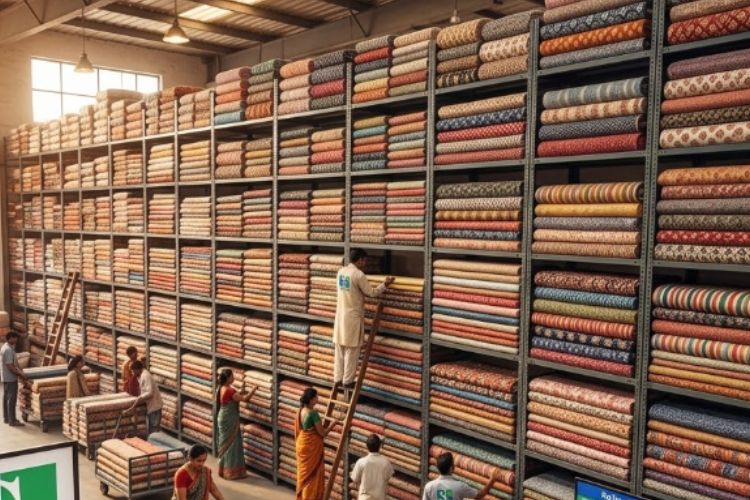
Surat dominates the synthetic textile segment, producing polyester, viscose blends, and decorative fabrics used in garments and home textiles. Many companies here also collaborate with Wholesale Fabric Suppliers in India to distribute fabrics to domestic wholesalers and international garment manufacturers.
Rajkot and Vadodara – Growing Industrial Clusters
While smaller compared to Ahmedabad or Surat, these cities are becoming increasingly important for specialized yarn manufacturing, technical textiles, and export-oriented production units.
Reliable Production from Textile Mills in Gujarat
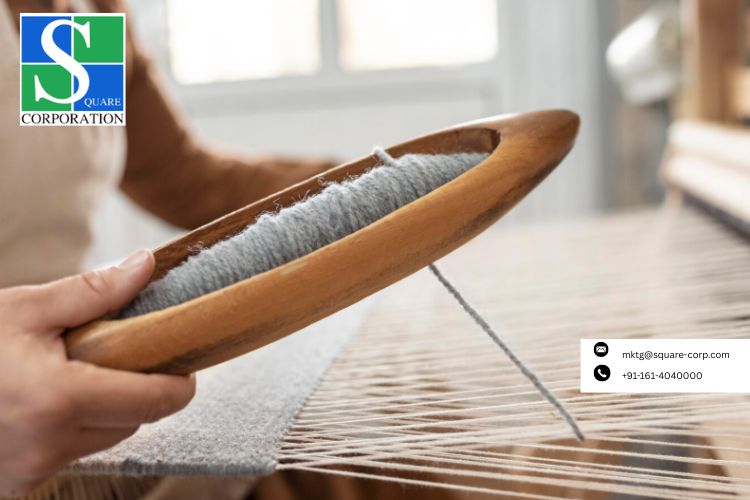
The strength of Textile Mills in Gujarat lies in their integrated operations. Many mills manage the entire production chain—from spinning raw cotton into yarn to weaving finished fabric. This vertical integration ensures consistent quality, faster delivery, and better pricing for bulk buyers.
For global fashion labels and textile traders, this structure offers three major advantages:
- Quality consistency: Controlled production reduces fabric defects.
- Cost efficiency: Integrated manufacturing minimizes logistics costs.
- Scalability: Mills can handle large international orders.
As a result, buyers from Europe, the Middle East, and Southeast Asia increasingly source fabrics from Gujarat-based mills.
Emerging Trends in Gujarat’s Textile Manufacturing
The industry here is not standing still. In fact, several trends are shaping the next decade of textile production:
- Sustainable yarn and fabrics: Demand for organic cotton and recycled fibers is rising globally.
- Automation in spinning and weaving: Smart looms and digital monitoring improve efficiency.
- Technical textiles: Mills are expanding into medical fabrics, industrial materials, and performance textiles.
According to industry research published by the Textile World, sustainable textile demand is projected to grow significantly as brands adopt eco-friendly sourcing strategies.
This shift means Gujarat’s mills are not only producing larger volumes but also focusing on responsible and innovative manufacturing methods.
Tips for Choosing the Right Textile Mill
If you are sourcing fabric or yarn from Gujarat, a few practical considerations can make the selection process easier:
- Check certifications: Look for OEKO-TEX, GOTS, or ISO certifications.
- Review production capacity: Ensure the mill can handle your order scale.
- Evaluate export experience: Mills with global clients typically manage logistics better.
- Request fabric samples: Always test material quality before placing bulk orders.
Taking these steps can help businesses build long-term supplier relationships with reliable mills.
Frequently Asked Questions
Why is Gujarat famous for textile manufacturing?
Gujarat produces large quantities of cotton and hosts major textile clusters such as Ahmedabad and Surat. Its strong infrastructure and export ports make it a leading textile manufacturing region.
What types of fabrics are produced in Gujarat?
Mills in Gujarat produce cotton fabrics, polyester blends, denim, technical textiles, and sustainable materials like organic cotton and recycled fibers.
Are Gujarat textile mills suitable for export orders?
Yes. Many mills specialize in international trade and regularly export fabrics to Europe, the Middle East, and Southeast Asia, offering scalable production and competitive pricing.
How can buyers verify textile supplier quality?
Buyers should review certifications, inspect sample fabrics, analyze production capacity, and verify export records before choosing a textile supplier.
Also Read: India New-Age Wool Spinning Revolution
Final Thoughts
Gujarat’s textile industry blends decades of experience with modern manufacturing innovation. From cotton yarn spinning to sustainable fabric development, the state continues to power India’s textile exports. For businesses searching for reliable sourcing partners, Gujarat remains one of the most dependable and dynamic textile destinations in the country.
Blog development Credits:
This blog was conceptualized by Square Corporation. It was researched and written with AI tools like ChatGPT, Google Gemini, and Copilot, then refined and SEO-optimized by Square Corporation.