

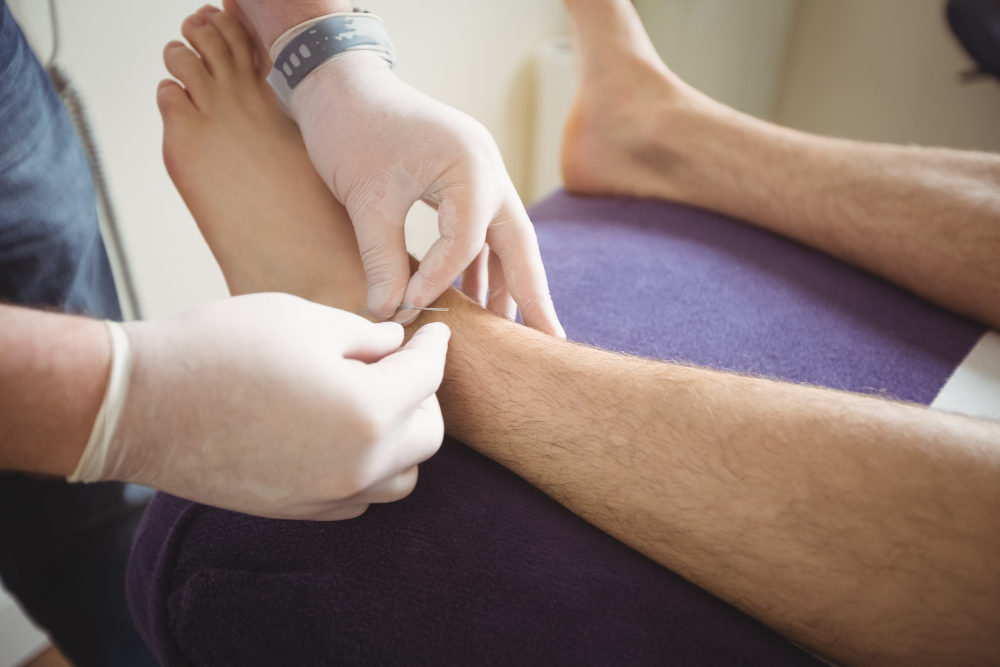
In Kolkata’s fast-moving lifestyle-crowded buses, long workdays, and sudden monsoon puddles—foot health often gets ignored. For people living with diabetes, this small neglect can quietly turn into a serious medical issue. Foot infections don’t arrive with loud warnings. They creep in slowly, often unnoticed, until daily life is disrupted.
That’s why visiting a reliable diabetes foot clinic in Kolkata is not just a precaution-it’s a practical investment in long-term mobility, comfort, and independence.
Why Diabetic Feet Are More Vulnerable?
Diabetes affects blood circulation and nerve sensitivity, especially in the lower limbs. Over time, this combination becomes risky. Reduced blood flow slows healing, while diabetic neuropathy makes it harder to feel pain, heat, or small injuries.
According to the Centers for Disease Control and Prevention (CDC), nearly 1 in 4 people with diabetes will develop a foot-related complication in their lifetime (cdc.gov). This isn’t meant to scare you-it’s meant to remind you how common, and preventable, these issues are.
Three Silent Risk Factors Many People Ignore
- Minor cuts and cracks: Even a tiny blister from new shoes can become infected.
- Excess moisture: Sweaty feet during humid Kolkata summers encourage fungal growth.
- Poor footwear choices: Tight sandals and hard soles increase pressure points.
Most Common Foot Infections in Diabetic Patients
Not all foot infections look dramatic at first. Some appear so ordinary that people dismiss them. Unfortunately, that delay often worsens the outcome.
1. Fungal Infections (Athlete’s Foot & Toenail Fungus)
Constant humidity and closed footwear create ideal conditions for fungi. Peeling skin, itching, or yellow nails may seem harmless, but untreated infections can crack the skin and invite bacteria.
2. Bacterial Skin Infections
Small wounds can turn into cellulitis or abscesses. Redness, warmth, swelling, and mild pain are early signals that deserve attention.
3. Diabetic Foot Ulcers
These open sores usually form under pressure points. They heal slowly and can easily become infected. Many patients seeking diabetic foot ulcer treatment in Kolkata admit they didn’t notice the wound until it worsened.
4. Deep Tissue and Bone Infections
In advanced cases, infections may spread to muscles or bones (osteomyelitis). The National Institutes of Health reports that delayed care significantly increases hospitalization risks (nih.gov).
How to Prevent Foot Infections: Practical Habits That Work?
Prevention is not about perfection. It’s about consistency-small daily actions that quietly protect your feet.
Daily Foot Care Routine (5 Minutes a Day)
- Wash feet with lukewarm water and mild soap.
- Dry gently, especially between toes.
- Check for cuts, swelling, or color changes.
- Apply moisturizer (avoid between toes).
- Wear clean, breathable socks.
Smart Footwear Choices for Kolkata Conditions
- Choose cushioned sandals or shoes with soft inner lining.
- Avoid plastic or rubber-only footwear during monsoons.
- Rotate shoes to let them dry completely.
Medical Habits That Make a Big Difference
- Schedule regular foot screenings.
- Control blood sugar consistently.
- Seek early wound care for diabetics.
The World Health Organization emphasizes that early foot care can reduce amputations by nearly 85% (who.int). That’s a powerful statistic-and a hopeful one.
Frequently Asked Questions (FAQs)
Q1. How often should diabetic patients check their feet?
Ideally, every day. A quick inspection after bathing can help you notice changes early.
Q2. Can home remedies cure foot infections?
Home care may soothe mild irritation, but infections usually require medical evaluation and proper treatment.
Q3. Are foot infections always painful?
No. Due to nerve damage, many diabetic patients feel little or no pain, making regular checks essential.
Q4. When should I see a doctor immediately?
If you notice redness, discharge, fever, swelling, or non-healing wounds, seek medical help promptly.
Final Thoughts
Living with diabetes in Kolkata doesn’t mean living in fear of foot problems. With mindful habits, regular check-ups, and timely care, you can protect your mobility and independence. Your feet carry you through life-treat them with the attention they truly deserve.
Full Audio: Listen Here