

Walk into any warehouse, and you’ll notice something instantly organization isn’t just about neatness; it’s about safety, efficiency, and cost control. Yet, many businesses underestimate how proper handling and storage can impact operations. If you’re dealing with wholesale & industrial supplies, getting this right isn’t optional it’s essential.
From preventing damage to ensuring worker safety, the way supplies are stored can make or break productivity. Let’s explore practical, real-world strategies that go beyond textbook advice and actually work on the ground.
Why Proper Handling and Storage Matter?
Industrial supplies aren’t just “items on a shelf.” They include tools, chemicals, safety gear, and machinery components all of which require specific care. Poor storage can lead to equipment failure, safety hazards, and unnecessary expenses.
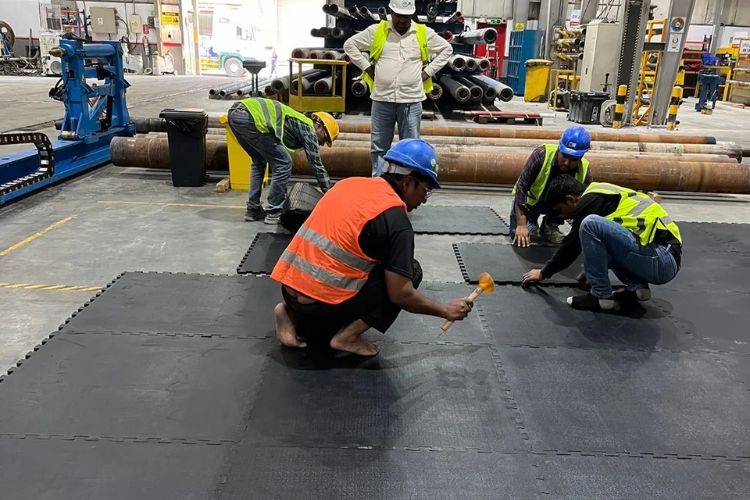
According to the Occupational Safety and Health Administration (OSHA), improper material handling is a leading cause of workplace injuries in warehouses. That’s a strong reminder that good storage practices are as much about people as they are about products.
Best Practices for Handling Industrial Supplies
1. Train Staff Like It Actually Matters
Let’s be honest training often becomes a checkbox exercise. But in industrial environments, proper handling techniques can prevent both injuries and product damage.
- Teach correct lifting techniques to avoid strain injuries
- Use equipment like forklifts and pallet jacks appropriately
- Ensure workers understand material-specific handling needs
A well-trained team doesn’t just follow rules—they anticipate risks before they happen.
2. Labeling and Categorization Are Non-Negotiable
If you’ve ever spent 20 minutes searching for a single tool, you know how costly disorganization can be. Clear labeling and logical categorization save time and reduce errors.
- Use color-coded labels for different categories
- Store frequently used items in easily accessible areas
- Separate hazardous materials from general supplies
It’s a simple system, but when done right, it transforms workflow efficiency almost overnight.
Smart Storage Strategies That Work
1. Optimize Your Storage Layout
Think of your warehouse like a well-designed kitchen everything should be within reach when needed. Strategic layout planning reduces unnecessary movement and speeds up operations.
- Place high-demand items near dispatch zones
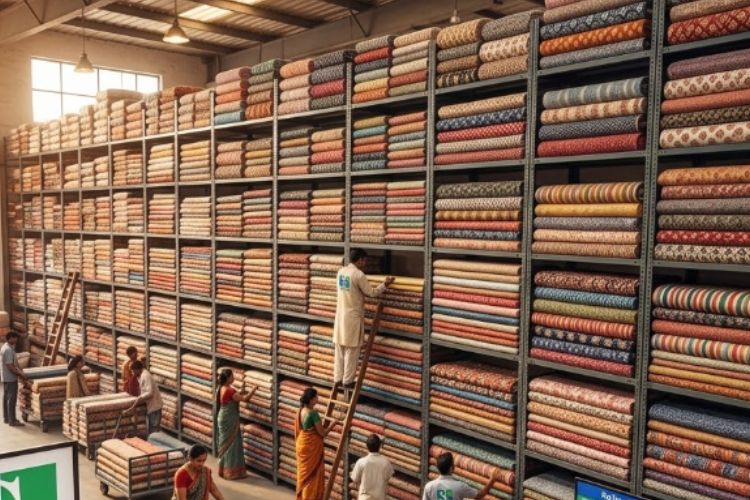
- Use vertical space with racks and shelving systems
- Maintain clear pathways for safe movement
2. Control Environmental Conditions
Not all supplies can handle heat, moisture, or dust. Certain materials especially chemicals and electronic components require controlled environments.
The National Institute for Occupational Safety and Health (NIOSH) emphasizes that exposure to improper environmental conditions can degrade materials and pose health risks.
3. Regular Inspection and Maintenance
Storage isn’t a “set it and forget it” process. Regular checks ensure everything remains in optimal condition.
- Inspect shelves and racks for structural integrity
- Check expiry dates for consumables
- Replace damaged packaging immediately
This is where many businesses slip small issues go unnoticed until they become expensive problems.
The Role of Quality Equipment
Handling efficiency often comes down to the tools you use. Investing in reliable wholesale industrial equipment can significantly improve safety and productivity.
From durable storage racks to advanced lifting equipment, the right tools reduce manual effort and minimize risk. If you’re looking to align your operations with modern standards, this resource is worth exploring: Powering Modern Operations with Reliable Workplace Essentials.
Common Mistakes to Avoid
Even experienced operations teams can fall into bad habits. Here are a few pitfalls to watch out for:
- Overloading shelves beyond their capacity
- Ignoring safety guidelines for hazardous materials
- Failing to update inventory records regularly
- Neglecting routine inspections
Avoiding these mistakes isn’t complicated but it does require consistency and attention to detail.
FAQs
1. Why is proper storage important for industrial supplies?
Proper storage prevents damage, ensures safety, and improves operational efficiency by keeping materials organized and accessible.
2. How often should industrial supplies be inspected?
Regular inspections should be conducted weekly or monthly, depending on usage and the type of materials stored.
3. What are the risks of poor handling practices?
Poor handling can lead to workplace injuries, damaged goods, and increased operational costs.
4. How can businesses improve warehouse efficiency?
By optimizing layout, training staff, and using quality equipment, businesses can streamline operations and reduce downtime.
Final Thoughts
Handling and storing industrial supplies might seem like a behind-the-scenes task, but it plays a starring role in operational success. With the right practices, tools, and mindset, businesses can create safer workplaces and more efficient systems. In the end, it’s not just about storage it’s about building a smarter, more resilient operation.