

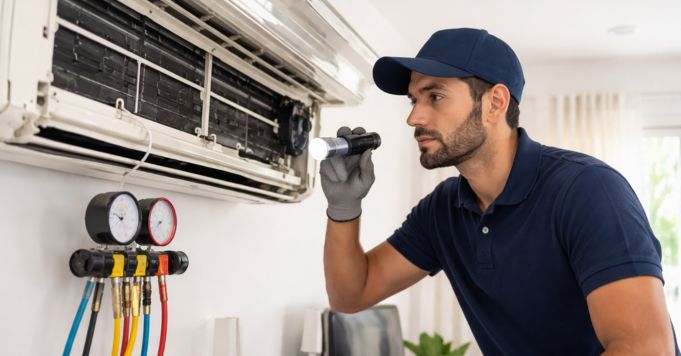
Air conditioners have a funny way of failing at the worst possible time—usually during peak summer, right when you need them most. One minute everything feels fine, the next your living room feels like a sauna. The tricky part? Not every AC issue screams “emergency” at first. Knowing the early warning signs can save you discomfort, money, and sometimes even a full system replacement.
In many cases, calling for Emergency AC Service quickly is the difference between a simple repair and a costly breakdown. Let’s break down the signals you should never ignore.
Warm Air When You Expect Cool Relief
If your AC is running but blowing warm or mildly cool air, that’s your first red flag. This often points to refrigerant leaks, compressor trouble, or electrical issues—none of which fix themselves. In extreme heat, a struggling system can fail entirely within hours. According to energy efficiency research published by the U.S. Department of Energy, inefficient cooling systems can consume more energy while delivering poorer performance, accelerating internal wear (energy.gov).
Also Read: Top Ways to Save Money on Your Water Bill
Strange Noises That Don’t Belong
AC units aren’t silent, but they shouldn’t sound like a construction site either. Grinding, banging, screeching, or metallic clanking often indicate loose components, motor issues, or failing belts. These sounds usually mean parts are damaging each other internally. Waiting too long can turn a minor fix into a complete system shutdown.
Noise Patterns That Signal Urgency
- Banging: Possible broken or loose internal components
- Screeching: Motor or belt failure
- Clicking: Electrical relay or control board issues
Unpleasant Odors From the Vents
A musty smell may suggest mold growth inside the ducts or unit, which can quickly impact indoor air quality. A burning smell is even more urgent—it may signal overheating wires or insulation failure. The Environmental Protection Agency warns that poor indoor air quality can worsen respiratory issues and allergies (epa.gov). If your AC smells “off,” it’s time to stop guessing and call for emergency service.
Water or Refrigerant Leaks
Some condensation around your unit is normal, but visible pooling water or leaking refrigerant is not. Water leaks can damage walls, ceilings, and flooring, while refrigerant leaks directly affect cooling efficiency and safety. Interestingly, homeowners often discover these leaks while dealing with unrelated issues—like searching for Bathtub Repair Near Me—only to realize their AC problem is just as urgent.
Sudden Spikes in Electricity Bills
If your cooling habits haven’t changed but your electricity bill suddenly jumps, your AC may be working overtime to compensate for internal faults. Studies referenced by Energy Star indicate that inefficient HVAC systems can increase energy use by up to 30% (energystar.gov). That spike is often your wallet’s way of warning you before a full breakdown occurs.
Weak or Uneven Airflow
When some rooms feel cool while others remain stuffy, airflow problems are likely at play. Blocked ducts, failing blowers, or clogged filters can strain the system. Over time, this uneven pressure can damage major components, making emergency repair unavoidable.
Why Airflow Problems Escalate Fast
- Restricted airflow causes overheating
- Overheating stresses electrical components
- Stress leads to sudden system failure
AC Shutting On and Off Repeatedly
Short cycling—when your AC turns on and off frequently—might seem like a minor annoyance, but it’s a serious efficiency and safety issue. It often points to thermostat problems, refrigerant imbalance, or electrical faults. Ignoring it can shorten your system’s lifespan dramatically and increase the likelihood of a total shutdown.
When Routine Service Is No Longer Enough
Regular maintenance helps, but some situations go beyond routine care. Even the most reliable AC Service Dubai won’t prevent emergencies if warning signs are ignored. Emergency service exists for a reason—to protect your comfort, safety, and investment when time is critical.
FAQs
How do I know if my AC problem is an emergency?
If your AC stops cooling during extreme heat, makes loud or unusual noises, leaks water or refrigerant, or emits burning smells, it qualifies as an emergency. These issues can worsen quickly and may cause permanent damage if ignored.
Can I keep using my AC until a technician arrives?
In most emergency cases, it’s safer to turn the system off. Continuing to run a malfunctioning unit can damage internal components and increase repair costs.
Is emergency AC service more expensive?
Emergency services may cost slightly more upfront, but they often save money in the long run by preventing full system replacements and extensive property damage.
How often can emergency AC issues be prevented?
Many emergencies stem from ignored warning signs or skipped maintenance. Annual inspections and timely repairs significantly reduce the risk of sudden breakdowns.
Final Thoughts
Your AC usually gives subtle hints before it fails completely—you just need to know how to read them. Strange sounds, rising bills, weak airflow, or odd smells are all ways your system asks for help. Acting fast and calling emergency service isn’t overreacting; it’s smart homeownership. When comfort and safety are on the line, delay is the most expensive choice you can make.
Also Read: Dubai’s Plumbing Pros: What to Expect & What to Pay
Blog Development Credits
This blog was a team effort fueled by smart ideas. Ghumman Star Technical Services picked the topic. Most content was crafted using tools like ChatGPT and Google Gemini.