

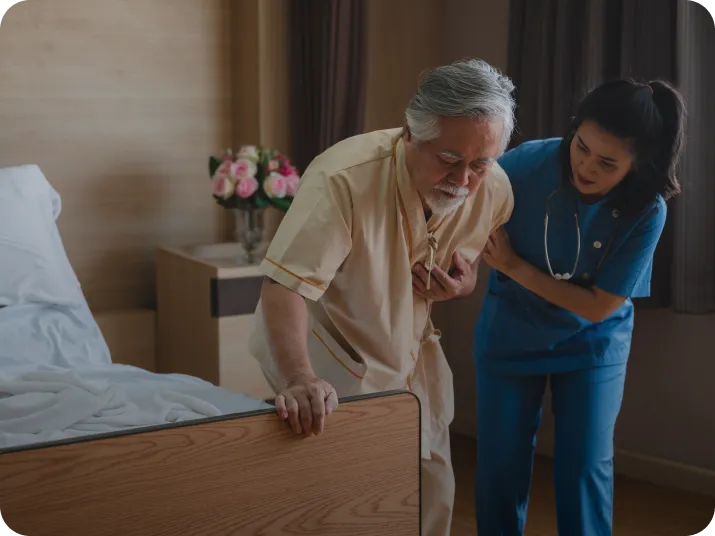
When an older parent insists they’re “feeling just fine,” families often breathe a little easier. But in senior care, feeling fine and actually being fine aren’t always the same thing. Regular health monitoring fills that quiet gap. It catches subtle changes early, supports independence, and makes aging at home safer and more predictable—especially in a fast-moving place like Santa Clara.
For many families, partnering with a trusted senior care service becomes the bridge between peace of mind and proactive health support. It’s less about reacting to emergencies and more about preventing them in the first place.
What Does Regular Health Monitoring Really Mean?
Health monitoring isn’t just about taking blood pressure once in a while. In real-world senior care, it’s an ongoing, thoughtful process that tracks patterns over time. Caregivers look for small deviations—changes in appetite, sleep, balance, or mood—that might signal something bigger beneath the surface.
Common Elements of Senior Health Monitoring
- Vital sign tracking: Blood pressure, pulse, oxygen levels, and temperature trends.
- Medication observation: Ensuring prescriptions are taken correctly and side effects are noticed early.
- Functional check-ins: Watching how easily daily tasks like walking, bathing, or eating are performed.
According to the U.S. Centers for Disease Control and Prevention, adults aged 65 and older are more likely to live with multiple chronic conditions, making routine monitoring especially important for early intervention (cdc.gov).
Why Early Detection Makes Such a Big Difference?
In senior health, timing is everything. A slight increase in blood pressure or a few days of confusion might not seem urgent, but these are often the earliest signals of infections, dehydration, or medication interactions. When caught early, many issues can be addressed without hospital visits.
The National Institute on Aging notes that proactive monitoring helps reduce preventable hospitalizations and supports better long-term outcomes for older adults (nia.nih.gov).
Benefits Families Often Notice
- Fewer medical emergencies and last-minute ER trips
- Better communication between doctors, caregivers, and families
- Greater confidence for seniors living independently
Why This Matters Specifically in Santa Clara?
Santa Clara is home to a diverse, active senior population. Many older adults here want to age in place—close to family, familiar neighborhoods, and their own routines. That desire makes consistent, localized care especially valuable.
With professional senior care in Santa Clara, health monitoring is tailored to the pace and expectations of the community. Caregivers understand local healthcare systems, nearby hospitals, and the lifestyle preferences common in Silicon Valley households.
Just as importantly, trained caregivers bring more than tools—they bring judgment. The ability to know when “something feels off” often comes from experience and training, not machines alone. Resources like Essential Skills Every Professionally Trained Caregiver Should Have highlight why observational skills matter as much as technical ones.
Technology Helps, But Humans Still Matter Most
Wearable devices and remote monitoring tools are increasingly common in elderly health monitoring. They’re helpful, no doubt. But technology works best when paired with human insight. A device might flag a number, but a caregiver notices the story behind it—fatigue, stress, or subtle discomfort.
Research from the Agency for Healthcare Research and Quality shows that coordinated, person-centered monitoring improves safety and satisfaction for older adults receiving home-based care (ahrq.gov).
Frequently Asked Questions
1. How often should seniors have their health monitored?
It depends on their overall health. Some seniors benefit from daily check-ins, while others may only need weekly monitoring. Chronic conditions usually require more frequent observation.
2. Can regular monitoring really prevent hospital visits?
Yes. By spotting early warning signs—like fluid retention or sudden confusion—caregivers can alert families or physicians before problems escalate.
3. Is health monitoring intrusive for seniors?
When done respectfully, it’s usually reassuring rather than intrusive. Many seniors appreciate knowing someone is paying attention to their well-being.
4. Does health monitoring replace doctor visits?
No. It complements medical care by providing day-to-day insights that doctors may not see during occasional appointments.
Final Thoughts
Aging doesn’t have to mean constant worry. Regular health monitoring creates a quiet safety net—one that supports independence while keeping families informed. In Santa Clara, where seniors value both autonomy and quality care, this kind of thoughtful attention can make all the difference between simply aging and aging well.
Full Audio: Listen Here