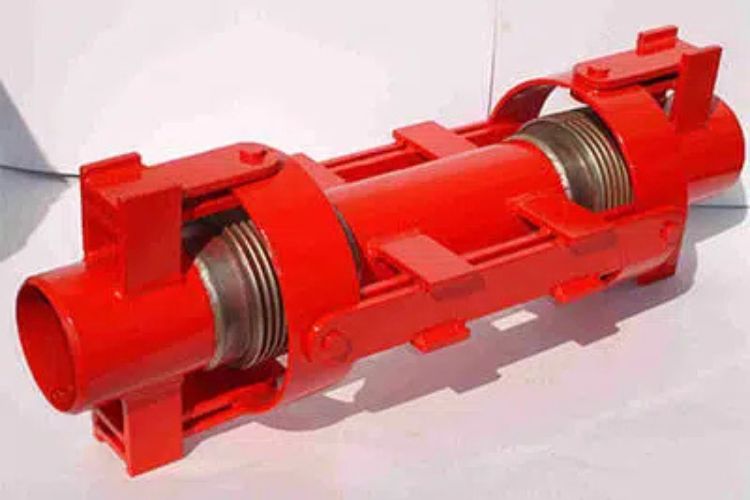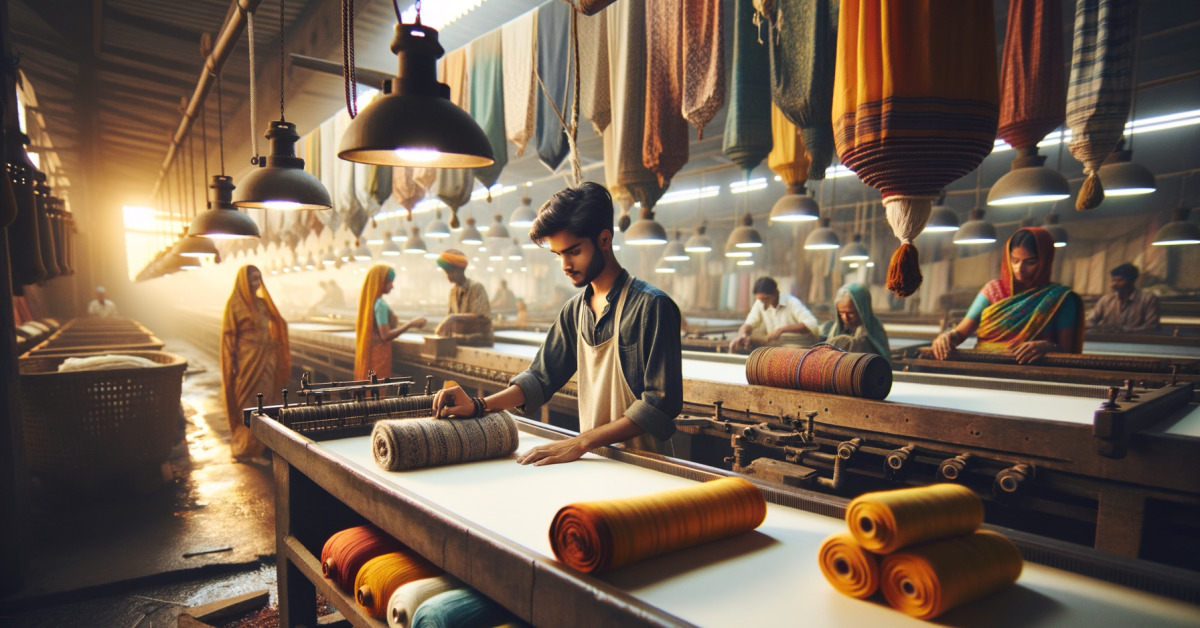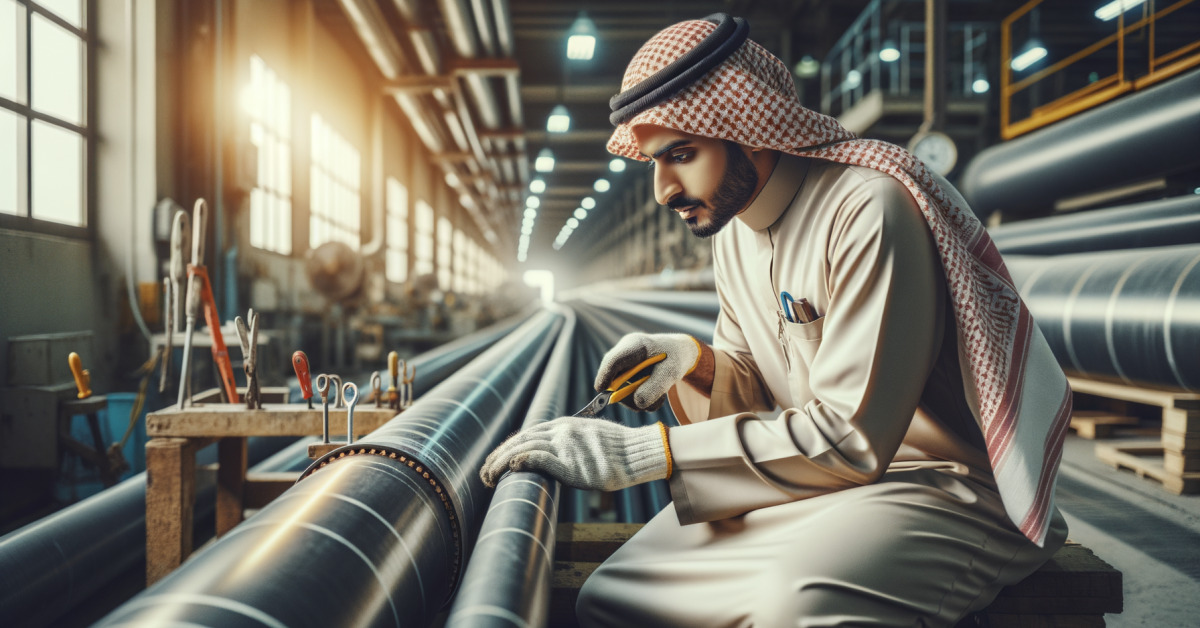

In Indian manufacturing circles, a quiet revolution is unfolding. Machines are learning, systems are syncing, and traditional workshops are evolving into intelligent production hubs. This shift is especially visible in the expansion joint industry. As a bellows expansion joints manufacturer, companies today are no longer relying solely on manual expertise-they are embracing automation to meet rising quality and performance expectations.
So, what does this mean for engineers, plant managers, and procurement teams across India? Simply put, automation is redefining how expansion joints are designed, fabricated, tested, and delivered. And the impact is far deeper than most people realize.
The Shift from Manual Craft to Intelligent Manufacturing
Not too long ago, expansion joint production in India depended heavily on skilled technicians working with hand tools and semi-automatic machines. While craftsmanship mattered, outcomes often varied from batch to batch.
Automation has changed that narrative. Today, CNC machines, robotic welding systems, and digital design platforms work together to create repeatable, high-precision components. According to data shared by the International Energy Agency (iea.org), industrial automation improves operational efficiency by over 20% in advanced manufacturing environments-an advantage Indian manufacturers are now actively pursuing.
Key Technologies Driving the Change
- Computer-Aided Design (CAD): Enables rapid prototyping and customization.
- Robotic Welding: Delivers uniform seams and stronger joints.
- Automated Cutting Systems: Minimizes material waste.
- Digital Quality Inspection: Detects microscopic defects early.
Think of it like moving from handwritten letters to instant messaging. The message remains the same—but speed, clarity, and reliability improve dramatically.
How Automation Improves Quality and Consistency?
In industries such as power generation, oil & gas, and chemical processing, even minor flaws in expansion joints can lead to major failures. Automation helps eliminate such risks.
Modern production lines use sensors and AI-powered monitoring systems that check every stage of fabrication. A study by McKinsey & Company (mckinsey.com) highlights that smart factories can reduce defect rates by up to 50% through real-time monitoring and predictive analytics.
Benefits for End Users
- More stable performance in high-pressure environments
- Longer operational lifespan
- Reduced maintenance costs
- Better compliance with global standards
For an expansion bellows manufacturer, this consistency is no longer optional—it’s a competitive necessity, especially when catering to international clients.
Faster Production Without Compromising Precision
Speed is another major advantage automation brings to the table. In a market as dynamic as India’s, project timelines are getting tighter every year. Delays can mean lost contracts and unhappy customers.
Automated assembly lines allow manufacturers to scale production quickly while maintaining accuracy. Where manual fabrication might take days, automated systems can complete the same work in hours-without fatigue or variation.
Where Time Savings Matter Most?
- Large infrastructure projects
- Thermal and nuclear power plants
- Petrochemical facilities
- Urban district cooling systems
In these sectors, faster delivery often translates directly into financial savings and operational stability.
Smart Customization: One Size No Longer Fits All
A common myth is that automation limits customization. In reality, the opposite is true. Today’s smart manufacturing platforms are built for flexibility.
With digital twin technology and parametric design tools, manufacturers can tweak dimensions, materials, and pressure ratings within minutes. This makes it easier to serve diverse Indian industries-from coastal refineries battling corrosion to Himalayan power plants facing extreme temperature variations.
Research from MIT’s Industrial Performance Center (ipc.mit.edu) suggests that digitally enabled customization can increase customer satisfaction by over 30%. That’s a powerful incentive.
Workforce Evolution: Humans and Machines Working Together
Automation does not mean replacing people-it means redefining their roles. Skilled workers are moving from repetitive manual tasks to supervisory, analytical, and maintenance-oriented positions.
In many Indian factories, technicians now manage robotic cells, analyze production data, and oversee quality systems. This shift is creating a new generation of “hybrid professionals” who understand both mechanical engineering and digital systems.
Emerging Skill Sets
- PLC and robotics programming
- Industrial IoT management
- Data-driven quality control
- Predictive maintenance planning
Over time, this transformation is making Indian manufacturing more resilient and future-ready.
FAQs on Automation in Expansion Joint Manufacturing
Q1: Is automation affordable for small Indian manufacturers?
Yes, many modular automation systems are now available at scalable costs. Manufacturers can start small and expand gradually based on demand.
Q2: Does automation reduce job opportunities?
Not exactly. While manual roles may reduce, new technical and supervisory roles are created, often with better pay and growth prospects.
Q3: Can automated systems handle customized orders?
Absolutely. Modern software-driven machines are designed for rapid reconfiguration, making customization easier than before.
Q4: How does automation affect product reliability?
It significantly improves reliability by reducing human error, maintaining consistent quality, and enabling early defect detection.
Final Thoughts: Building the Future, One Smart Joint at a Time
Automation is no longer a luxury-it’s becoming the backbone of modern expansion joint manufacturing in India. By combining digital intelligence with engineering expertise, manufacturers are delivering safer, stronger, and more reliable solutions.
As infrastructure projects grow and industrial standards rise, those who invest in smart production today will lead the market tomorrow. In many ways, automation is not replacing tradition—it is refining it for a smarter future.
Full Audio: Listen Here