
In today’s fast-evolving industrial landscape, flexibility isn’t just a feature it’s a necessity. From power plants to petrochemical facilities, piping systems are under constant stress. So, what’s driving global buyers to look toward India for solutions? The answer lies in a mix of engineering excellence, cost efficiency, and a quietly growing reputation for reliability.
Over the past decade, the role of a gimbal expansion joints manufacturer in India has transformed dramatically. What was once seen as a cost-driven outsourcing hub is now a center of precision engineering and innovation. Let’s unpack why Indian manufacturers are steadily leading the global market.
Engineering Expertise That Matches Global Standards
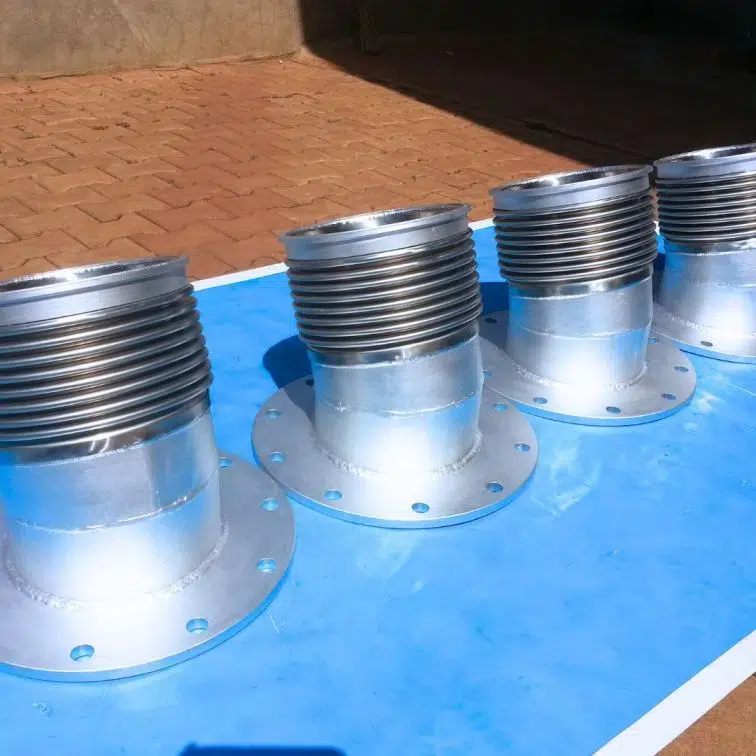
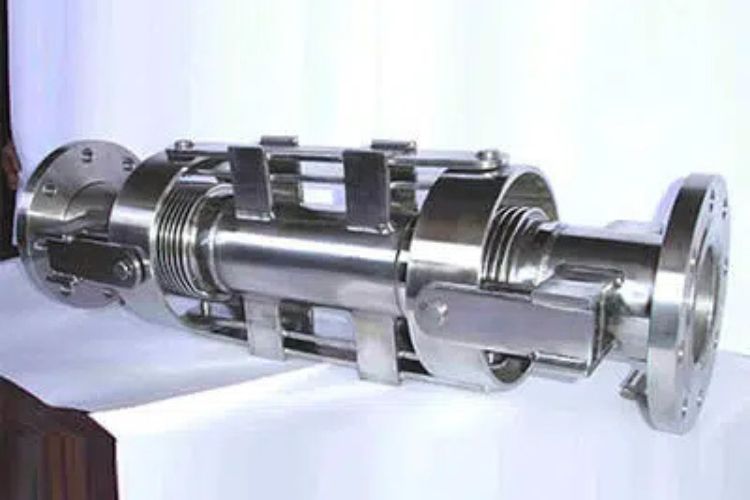
India’s engineering ecosystem has matured significantly. Manufacturers are no longer just producing components—they’re designing solutions tailored to complex industrial challenges. Gimbal expansion joints, for instance, demand high precision to accommodate angular movement without transferring stress to connected equipment.
What sets Indian engineering apart?
- Advanced CAD and simulation tools: Used for accurate stress analysis and design optimization.
- Skilled workforce: India produces over 1.5 million engineers annually (AICTE), contributing to a strong technical base.
- Compliance with global standards: Including EJMA and ASME guidelines.
This combination allows Indian manufacturers to deliver products that are not only cost-effective but also technically robust.
Cost Advantage Without Compromising Quality
Let’s be honest cost plays a huge role in industrial procurement. But what’s interesting is how India balances affordability with quality. Lower labor costs and efficient production processes enable manufacturers to offer competitive pricing without cutting corners.
According to IBEF, India’s manufacturing sector benefits from relatively lower operational costs compared to Western countries. This advantage is particularly significant in heavy engineering products like expansion joints.
Key cost benefits include:
- Reduced production overheads
- Access to locally sourced raw materials
- Scalable manufacturing capabilities
For global buyers, this means better ROI without sacrificing durability or performance.
Diverse Industrial Demand Driving Innovation
India’s vast industrial base acts as a natural testing ground. From thermal power plants to refineries and steel industries, the demand for reliable piping solutions is immense. This diversity pushes manufacturers to innovate continuously.
Interestingly, many solutions developed for Indian conditions such as handling high temperatures or corrosive environments are now being exported globally. That’s a subtle but powerful shift.
Midway through this evolution, the role of a gimbal expansion joints manufacturer has expanded beyond production to include design consultation, installation support, and lifecycle management.
Focus on Customization and Client Collaboration
Unlike mass-produced components, gimbal expansion joints often require customization. Indian manufacturers excel here by working closely with clients to understand specific operational challenges.
Typical customization factors include:
- Pressure and temperature requirements
- Type of movement (angular, lateral, axial)
- Material selection based on environment
This collaborative approach ensures that each product is fit-for-purpose, reducing the risk of failure and downtime.
Adoption of Modern Manufacturing Practices
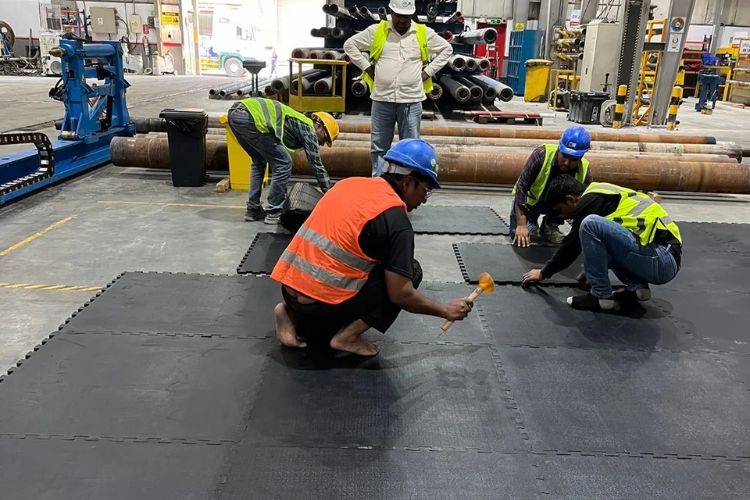
There’s a common misconception that Indian manufacturing is outdated. In reality, many facilities are equipped with cutting-edge machinery and follow lean manufacturing principles.
Technologies like CNC machining, automated welding, and non-destructive testing (NDT) are now standard practices. These advancements not only improve precision but also enhance consistency across batches.
If you’re curious about how flexibility plays a role in modern systems, this insightful read on Top Advantages of Multi-Axis Flex Bellows in Modern Piping offers a deeper perspective.
Growing Global Trust and Export Capability
Perhaps the most telling sign of India’s leadership is its growing export footprint. Indian manufacturers are now supplying to markets in the Middle East, Europe, and Southeast Asia.
This isn’t just about pricing it’s about trust. Consistent quality, timely delivery, and responsive after-sales support have helped build long-term relationships with international clients.
- Faster turnaround times due to optimized logistics
- Strong export infrastructure supported by government initiatives
- Reputation for reliability in critical applications
FAQs
1. What makes Indian gimbal expansion joints competitive globally?
Indian products combine cost efficiency with high engineering standards, making them attractive for both domestic and international markets.
2. Are Indian manufacturers compliant with international standards?
Yes, most reputable manufacturers adhere to EJMA, ASME, and other global quality standards to ensure safety and performance.
3. Can Indian manufacturers handle custom requirements?
Absolutely. Customization is one of their strengths, with tailored solutions based on specific industrial needs.
4. Which industries benefit most from gimbal expansion joints?
Industries like power generation, oil & gas, petrochemicals, and steel manufacturing rely heavily on these components.
Final Thoughts
India’s rise in the gimbal expansion joint market isn’t accidental it’s the result of consistent improvement, technical depth, and a willingness to adapt. As industries worldwide demand smarter, more resilient piping solutions, Indian manufacturers are not just keeping up they’re quietly setting the pace.