

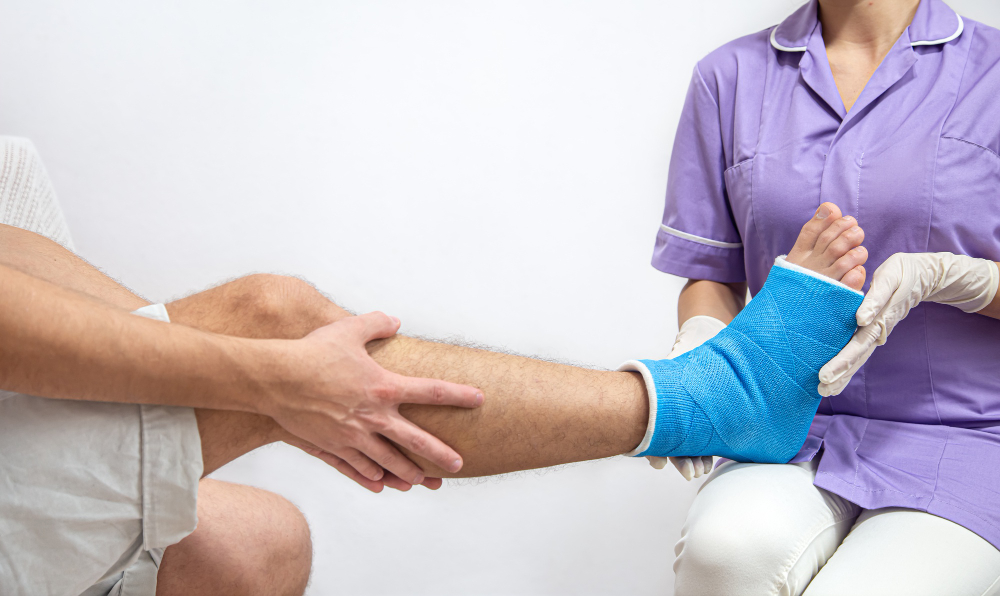
In the narrow lanes of North Kolkata and the busy streets of Salt Lake, living with diabetes has become a daily balancing act for many families. One small foot wound can quickly turn serious if ignored. Thankfully, modern diabetic foot treatment is changing how patients heal, recover, and regain confidence.
Not too long ago, diabetic foot wounds meant long hospital stays, repeated dressings, and constant anxiety. Today, wound care technology has quietly transformed this picture. With smarter tools, better monitoring, and personalised treatment plans, healing has become faster, safer, and far less frightening.
Why Diabetic Foot Wounds Heal So Slowly?
Before understanding the solutions, it helps to know the problem. Diabetes affects blood circulation and damages nerves. As a result, many patients don’t even feel minor cuts or blisters. By the time they notice something is wrong, infection may have already set in.
According to data shared by the Centers for Disease Control and Prevention (CDC), people with diabetes are significantly more likely to develop serious foot complications due to poor circulation and delayed healing.
Common Challenges Faced by Patients
- Reduced blood flow slows down tissue repair
- Nerve damage masks early warning signs
- Weakened immunity increases infection risk
- Improper footwear worsens pressure points
In Kolkata’s humid climate, these challenges become even tougher. Moisture, dust, and crowded public transport often make wound management more complicated than textbooks suggest.
How Technology Is Rewriting the Healing Story?
Modern wound care is no longer about “just cleaning and dressing.” It’s about understanding what the wound needs at every stage. Advanced diabetic wound care now uses science-backed tools that adapt to each patient’s condition.
1. Smart Wound Dressings
Today’s dressings don’t just cover wounds—they actively support healing. Many contain antimicrobial layers, moisture-balancing gels, and oxygen-friendly materials that create the right environment for tissue growth.
Some advanced dressings even change colour when infection is brewing. It’s like having a silent nurse watching over your wound.
2. Negative Pressure Wound Therapy (NPWT)
This technology gently pulls out excess fluid from wounds using controlled suction. It improves blood flow and helps new tissue form faster. Several hospitals and specialised clinics in Kolkata now use NPWT for chronic foot ulcers.
3. Digital Monitoring and Tele-Consultations
With smartphones everywhere, wound care has gone digital. Patients can now share wound photos, track healing progress, and consult specialists remotely. This is especially helpful for elderly patients who find frequent travel difficult.
4. Bioengineered Skin and Growth Factors
In complex cases, doctors may use lab-developed skin substitutes or growth factor gels. These stimulate natural repair processes, almost “reminding” the body how to heal itself.
The Human Touch Still Matters
Technology works best when guided by experience. A skilled diabetic foot doctor knows when to rely on machines and when to rely on instinct.
Many patients in Kolkata share similar stories: once they started working with a specialised team using modern tools, their recovery became more predictable and less stressful.
What a Good Treatment Plan Usually Includes?
- Detailed wound assessment using imaging tools
- Customised dressings and pressure offloading
- Blood sugar optimisation
- Regular digital and in-person follow-ups
This balanced approach blends advanced wound management with everyday lifestyle guidance.
Technology Meets Local Reality in Kolkata
One misconception is that advanced care is only available in big metro hospitals. In reality, many specialised foot clinics in Kolkata now offer laser-assisted cleaning, portable diagnostic devices, and infection-detection kits.
Research from the National Institute of Diabetes and Digestive and Kidney Diseases highlights that early intervention with modern tools can reduce amputation risks significantly.
For working professionals, homemakers, and senior citizens alike, this means fewer hospital visits and more independence.
Daily Habits That Support High-Tech Healing
- Inspect feet every night under good lighting
- Keep skin dry but well-moisturised
- Use doctor-recommended footwear
- Report any redness or swelling early
Technology accelerates healing, but consistent self-care keeps wounds from returning.
Frequently Asked Questions
Q1: Are advanced wound treatments painful?
Most modern treatments are designed to be comfortable. Techniques like smart dressings and NPWT minimise discomfort compared to traditional methods.
Q2: How long does a diabetic foot ulcer take to heal?
With advanced care and proper glucose control, many wounds heal within weeks. Severe cases may take longer, depending on circulation and infection levels.
Q3: Is technology-based treatment expensive in Kolkata?
Costs vary, but many clinics now offer affordable packages. Early treatment often reduces long-term expenses.
Q4: Can I manage my wound at home with digital tools?
Yes, under medical guidance. Remote monitoring and mobile consultations make home-based care safer than before.
Final Thoughts
Wound care technology has quietly reshaped diabetic foot healing in Kolkata. It has brought speed, precision, and confidence into a process once filled with uncertainty. When modern tools meet expert guidance and patient commitment, healing stops being a gamble and becomes a reliable journey.
Full Audio: Listen Here