

Imagine spending an entire shift working under the Saudi sun, wearing heavy protective gear that traps heat and restricts movement. Even a straightforward task can become exhausting when clothing adds unnecessary strain. Could lighter workwear make a meaningful difference? For industrial teams across Saudi Arabia, the answer may be yes, provided comfort never comes at the expense of safety.
Why Protective Clothing Matters in Saudi Arabia?
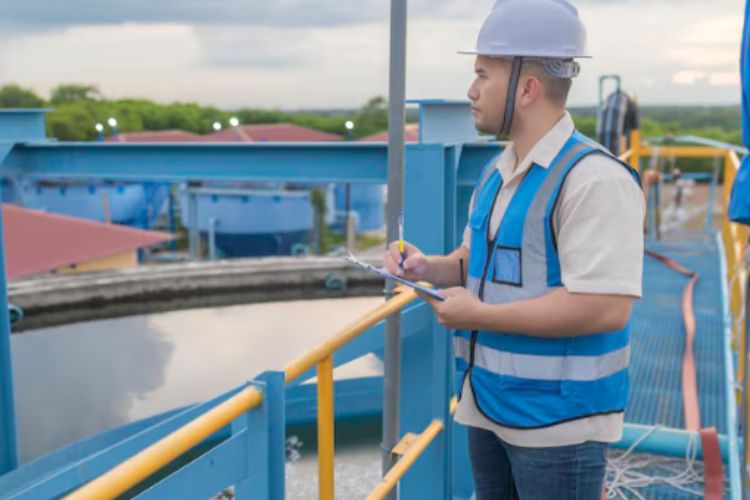
From oil and gas facilities in the Eastern Province to construction sites in Riyadh and industrial operations in Jubail, workers often face demanding conditions. High temperatures, dust, physical exertion, and long shifts can make appropriate workwear essential for both safety and performance.
Traditional protective garments are sometimes bulky, especially when multiple layers are required. Although that extra material may serve a purpose, poorly designed clothing can restrict movement, increase discomfort, and make routine tasks more tiring. This is where carefully selected protective clothing wholesale solutions can help businesses equip their teams with garments suited to specific workplace hazards.
The objective isn’t simply to make clothing lighter. It’s to find the right balance between protection, breathability, durability, and freedom of movement.
How Lightweight Protective Clothing Supports Productivity?
1. Less Physical Strain Throughout the Shift
Think about carrying a heavy backpack during a long walk. At first, the extra weight might seem manageable. After several hours, however, even small movements can feel more demanding. Protective clothing can create a similar effect when its weight, stiffness, or poor fit interferes with everyday work.
Lightweight garments designed for industrial use can reduce unnecessary bulk, making bending, reaching, climbing, and handling equipment more comfortable. Workers may find it easier to maintain a steady pace, particularly during repetitive tasks or extended shifts.
2. Better Comfort in Hot Working Conditions
Saudi Arabia’s summer conditions can place considerable strain on workers performing physical jobs outdoors or in hot industrial environments. Heavy clothing that restricts airflow may add to thermal discomfort, although the actual effect depends on the garment, the task, and the surrounding conditions.
Breathable fabrics, suitable garment construction, and effective moisture management can help improve comfort. However, lightweight material alone doesn’t guarantee adequate cooling. Employers should also consider work-rest schedules, hydration, shade, and workplace heat controls.
The US National Institute for Occupational Safety and Health provides guidance on preventing heat-related illness, including measures to manage heat exposure and protect workers. Businesses can consult its recommendations at NIOSH’s heat stress resources.
3. Greater Freedom of Movement
Imagine a maintenance technician squeezing into a confined space to inspect a pipe or an electrician reaching overhead to complete an installation. Stiff sleeves, oversized garments, and restrictive seams can make these activities unnecessarily difficult.
Well-designed lightweight protective workwear can improve mobility through ergonomic cuts, flexible construction, and appropriate sizing. When workers can move naturally, they may complete tasks more efficiently and experience less frustration during physically demanding operations.
Choosing Lightweight Workwear Without Compromising Safety
Here’s an important distinction: lighter does not automatically mean safer or better. A garment must still provide the protection required for its intended environment. A breathable uniform suitable for general warehouse work may be entirely inappropriate for welding, chemical handling, or flash-fire hazards.
Before purchasing new garments, Saudi businesses should evaluate several practical factors:
- Hazard-specific protection: Check whether the garment meets the applicable requirements for flame resistance, chemical exposure, high visibility, or other identified risks.
- Fabric performance: Assess breathability, moisture management, abrasion resistance, and durability under actual working conditions.
- Fit and mobility: Choose appropriate sizing and designs that allow workers to bend, reach, climb, and operate equipment safely.
- Layering requirements: Consider whether the garment must work with thermal protection, reflective clothing, harnesses, or other personal protective equipment.
- Maintenance needs: Confirm that repeated industrial laundering won’t undermine protective properties or shorten the garment’s useful life.
Where Different Garments Make a Difference?
The best clothing choice depends on the job rather than a single company-wide preference. For example, warehouse employees may benefit from breathable workwear that supports frequent lifting and walking. Construction teams might need durable garments that balance mobility with abrasion resistance.
In oil and gas operations, welding areas, and other high-risk environments, suitable coveralls can provide practical full-body coverage. Their weight, fabric, closure design, and protective rating should match the specific hazards involved. Where flame-resistant clothing is required, employers must never replace certified protection with an ordinary lightweight alternative simply to improve comfort.
For procurement teams sourcing industrial safety clothing in Saudi Arabia, comparing garments under realistic working conditions can be more useful than relying on product descriptions alone.
How to Measure the Productivity Benefits?
Instead of assuming that lighter clothing will automatically increase output, companies can conduct a controlled workplace trial. Compare suitable garment options while keeping the work tasks and safety requirements consistent.
Useful indicators include:
- Worker feedback on comfort, fit, and freedom of movement.
- Task completion times and the frequency of clothing-related adjustments.
- Heat-related discomfort reports and relevant safety observations.
- Garment durability, replacement frequency, and maintenance costs.
Supervisors should also gather feedback from workers who wear the garments daily. A fabric that feels comfortable in an air-conditioned workshop may perform differently during outdoor maintenance in hot weather. Real-world feedback helps identify those differences before a large-scale purchase.
Frequently Asked Questions
1. Can lightweight protective clothing increase worker productivity?
Yes, it can help by reducing unnecessary bulk, improving mobility, and supporting comfort. Actual productivity gains depend on the task, workplace conditions, garment design, and the protection required.
2. Is lightweight workwear suitable for Saudi Arabia’s hot climate?
It can be, particularly when garments offer suitable breathability and moisture management. Employers must also implement heat-stress controls and select clothing that meets the hazards and protective requirements of each job.
3. Is lightweight protective clothing appropriate for oil and gas workers?
Yes, when the selected garment provides the necessary protection for the identified hazards. Oil and gas workers may require certified flame-resistant or antistatic garments, depending on their duties and exposure risks. Lightweight alternatives must meet the same applicable safety requirements.
4. What should companies check before buying lightweight safety clothing?
Evaluate protective certifications, fabric durability, fit, breathability, compatibility with other PPE, laundering requirements, and total ownership cost. Trial garments with employees before making a bulk purchase.
Final Thoughts
Lightweight protective clothing can make working life more manageable, especially for teams dealing with demanding tasks and Saudi Arabia’s challenging summer conditions. The real advantage comes from combining comfort, practical design, and reliable hazard protection. For employers, choosing workwear that helps people move comfortably without sacrificing safety is a sensible investment in both workforce wellbeing and day-to-day performance.
Full Audio: Listen Here