
Hyper-personalization in digital marketing refers to using real-time data, AI, and behavioral insights to deliver highly tailored experiences to individual users—and it’s rapidly becoming the standard for high-performing campaigns. Unlike basic personalization, it adapts content, offers, and messaging instantly. Businesses leveraging Digital Marketing Services in Siliguri are already seeing measurable improvements in engagement, conversions, and customer retention through this approach.
What is Hyper-Personalization?
Definition: Hyper-personalization is a marketing strategy that uses AI, machine learning, and real-time user data to create highly individualized experiences across digital touchpoints.
It goes beyond inserting a user’s name in an email. It understands behavior, intent, and context—then responds dynamically.
Personalization vs Hyper-Personalization
- Personalization: Static rules (e.g., name-based emails)
- Hyper-Personalization: Real-time, AI-driven customization
- Personalization: Segment-based
- Hyper-Personalization: Individual-level targeting
The difference is subtle—but the impact is massive.
Why Hyper-Personalization is Rising Now
Consumer expectations have evolved. People no longer respond to generic messaging—they expect brands to understand them.
Key Drivers Behind the Trend
- Data Availability: More user data across platforms
- AI Advancements: Smarter decision-making systems
- Omnichannel Behavior: Users switch devices constantly
In my experience, campaigns that feel “personally relevant” outperform generic ones by a wide margin—even when budgets are similar.
How Hyper-Personalization Works
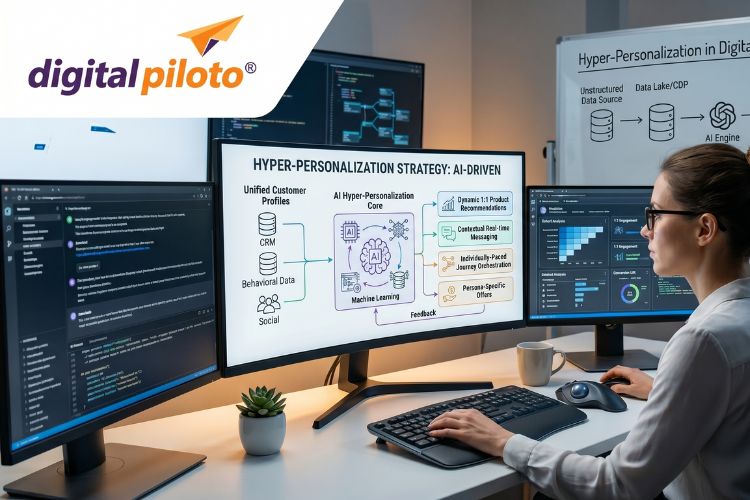
At its core, hyper-personalization combines data + technology + timing.
Core Components
- Behavioral Data: Browsing patterns, clicks, time spent
- Contextual Data: Location, device, time of day
- Predictive Analytics: Anticipates user needs
For example, an eCommerce site can recommend products based on past behavior while adjusting offers in real time.
How to Implement Hyper-Personalization (Step-by-Step)
Step-by-step framework:
- Collect Relevant Data
Gather user behavior, preferences, and interaction data across channels. - Segment Intelligently
Group users based on intent, not just demographics. - Use AI Tools
Implement machine learning for predictive recommendations. - Deliver Real-Time Content
Adjust messaging dynamically based on user actions. - Test and Optimize
Continuously refine campaigns based on performance metrics.
Leading brands working with a Digital Marketing Service Provider In India are embedding this process into their core marketing strategies.
Real-World Use Cases
Hyper-personalization is not theoretical—it’s already transforming industries.
1. E-commerce
Dynamic product recommendations based on browsing and purchase history.
2. Email Marketing
Emails triggered by user actions, not schedules.
3. Content Marketing
Websites that change content based on visitor behavior.
Interestingly, integrating insights from a
generative engine optimization company can further enhance how content is personalized for AI-driven discovery platforms.
Benefits of Hyper-Personalization
- Higher Engagement: Users interact more with relevant content
- Improved Conversion Rates: Personalized offers drive action
- Stronger Customer Loyalty: Builds long-term relationships
- Better ROI: Efficient targeting reduces wasted spend
In practical terms, it’s about delivering the right message to the right person at the right time.
Common Challenges and How to Overcome Them
- Data Privacy Concerns: Be transparent and follow compliance standards
- Data Overload: Focus on actionable insights, not all data
- Technology Integration: Use scalable tools and platforms
Hyper-personalization is powerful—but only when implemented responsibly.
Future of Hyper-Personalized Marketing
We’re moving toward a world where marketing feels less like advertising and more like assistance.
AI will continue to refine personalization to the point where:
- Content adapts instantly across platforms
- Offers are predicted before users search
- Experiences feel uniquely tailored every time
The brands that master this will dominate attention—and trust.
FAQs on Hyper-Personalization
1. What is hyper-personalization in digital marketing?
It is the use of AI and real-time data to deliver highly tailored content and experiences to individual users.
2. How is it different from traditional personalization?
Traditional personalization uses static rules, while hyper-personalization adapts dynamically based on real-time behavior.
3. Does hyper-personalization improve ROI?
Yes, it increases engagement and conversions, leading to better returns on marketing investment.
4. What tools are used for hyper-personalization?
AI platforms, CRM systems, and analytics tools are commonly used to implement it effectively.
5. Is hyper-personalization suitable for small businesses?
Yes, even small businesses can use basic data and automation tools to create personalized experiences.
Conclusion
Hyper-personalization isn’t just a trend—it’s a shift in how marketing works. When done right, it doesn’t feel like marketing at all. It feels like relevance, timing, and understanding coming together seamlessly. And that’s exactly what modern consumers expect.
Blog Development Credits:
This article was ideated by Amlan Maiti, developed using advanced AI research tools, and strategically optimized by Digital Piloto Private Limited.