
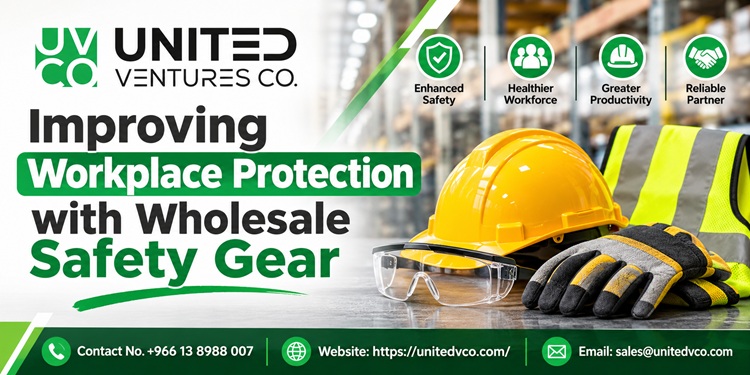
Workplace safety is a fundamental responsibility for every business operating in construction, manufacturing, warehousing, oil and gas, and other industrial sectors. Employees regularly encounter hazards such as falling objects, sharp materials, chemical exposure, excessive noise, electrical risks, and slippery surfaces. Providing appropriate personal protective equipment (PPE) helps reduce these risks and creates a safer working environment. Investing in Wholesale Safety Equipment also enables businesses to maintain consistent protection while managing bulk procurement requirements.
Choosing suitable safety gear involves more than purchasing helmets, gloves, or protective footwear. Businesses must understand workplace hazards, evaluate product quality, ensure proper fitting, and maintain reliable supplies. With the right procurement strategy, organizations can strengthen employee protection while supporting productivity and operational efficiency.
Why Wholesale Safety Gear Matters for Industrial Workplaces?
Industrial workplaces require different types of protective equipment depending on their activities and operational conditions. Purchasing safety products in bulk helps organizations maintain sufficient inventory and provide suitable equipment to employees across departments and work locations.
Wholesale procurement can also simplify supplier coordination, support consistent product specifications, and make replacement planning easier. Rather than purchasing individual items whenever shortages occur, businesses can establish organized purchasing schedules based on workforce size and equipment requirements.
However, bulk purchasing should never compromise product suitability or safety standards. Every item must match the hazards employees may encounter during their daily responsibilities.
Essential Types of Safety Equipment for Workplace Protection
A comprehensive workplace safety program includes protective equipment designed for different body parts and exposure risks. Understanding these categories helps businesses make informed purchasing decisions.
1. Safety Helmets and Head Protection
Safety helmets protect employees against potential head injuries caused by falling objects, accidental impacts, and certain electrical hazards when appropriately rated. They are particularly important at construction sites, manufacturing facilities, and industrial maintenance locations. Businesses should consider helmet design, suspension systems, adjustment features, and applicable safety certifications when selecting head protection.
2. Protective Gloves
Industrial gloves help protect hands against cuts, abrasions, chemicals, heat, and other task-specific hazards. Different operations require different materials and protection levels. Cut-resistant gloves are useful for handling sharp components, while chemical-resistant varieties are selected according to the substances being handled. Proper sizing is equally important because poorly fitted gloves can reduce grip and dexterity.
3. Safety Shoes and Protective Footwear
Workers may face risks from falling materials, sharp objects, slippery floors, and heavy equipment. Safety footwear with suitable toe protection, slip resistance, or puncture-resistant soles can help reduce these risks. Businesses should evaluate workplace conditions, footwear specifications, comfort, and appropriate protective classifications before purchasing.
4. Protective Eyewear and Face Shields
Grinding, welding, cutting, and chemical-handling activities can expose employees to flying particles, sparks, dust, and liquid splashes. Safety glasses, chemical goggles, and face shields provide different levels of protection. Selecting suitable equipment requires understanding the specific exposure and ensuring compatibility with other protective gear.
5. Protective Clothing and Respiratory Equipment
Coveralls, flame-resistant garments, high-visibility clothing, and respirators support protection against specific workplace hazards. Respiratory equipment must be selected according to the airborne contaminant and exposure conditions. Where required, fit testing, suitable filters, and proper training are essential for effective protection.
How to Choose the Right Wholesale Safety Equipment?
Selecting workplace safety products requires a systematic approach. Businesses should consider the following factors before placing bulk orders:
- Identify workplace hazards: Conduct risk assessments to understand potential physical, chemical, electrical, and environmental dangers.
- Check product standards: Review relevant safety certifications, technical specifications, and conformity documentation for each product.
- Prioritize comfort and fit: Select suitable sizes and adjustable designs that employees can wear throughout their working shifts.
- Evaluate durability: Consider material quality, expected usage, maintenance requirements, and replacement frequency.
- Check product compatibility: Ensure helmets, eyewear, respirators, hearing protection, and other equipment can function together.
- Assess supplier reliability: Consider product availability, bulk-order capabilities, documentation, communication, and delivery arrangements.
These considerations help procurement teams avoid unsuitable purchases and build a dependable workplace protection strategy.
The Importance of Reliable PPE Wholesale Suppliers
Working with dependable suppliers makes industrial safety procurement more manageable. Businesses need access to appropriate products, consistent specifications, and sufficient stock to support their operational requirements. Reliable suppliers can also help purchasing teams understand product features and identify suitable options based on the intended application.
When evaluating PPE wholesale suppliers, organizations should examine product documentation, quality assurance procedures, available product categories, pricing structures, and replacement availability. A supplier offering multiple safety categories can simplify procurement by reducing the need to coordinate with several vendors.
United Ventures Co. supports industrial procurement requirements through its range of workplace safety products, including helmets, gloves, protective eyewear, and safety footwear. Its broader Wholesale & Industrial Supplies offering also helps businesses explore equipment and supplies for demanding industrial operations.
How Proper Safety Equipment Improves Productivity?
Workplace protection contributes to more organized and efficient operations. When employees receive appropriate equipment and understand how to use it, businesses can reduce exposure to preventable hazards and improve confidence during daily tasks.
Comfortable, correctly fitted equipment can also encourage consistent usage. For example, suitable safety footwear supports workers who spend extended periods standing, while properly selected gloves help maintain grip during material handling. These practical improvements can support smoother workflows and reduce avoidable interruptions.
However, PPE should not replace more effective hazard-control measures. The National Institute for Occupational Safety and Health recommends prioritizing elimination, substitution, and engineering controls before administrative measures and PPE. Protective equipment remains an important part of a broader safety management system.
Maintaining and Replacing Workplace Safety Gear
Purchasing quality equipment is only the beginning of workplace protection. Regular inspection, appropriate storage, cleaning, and timely replacement help maintain equipment effectiveness.
Businesses should establish clear inspection schedules and assign responsibility for monitoring protective equipment. Damaged helmets, torn gloves, scratched protective eyewear, worn footwear, and defective respirators should be assessed and replaced according to manufacturer instructions and applicable requirements.
Employee training is equally important. Workers should understand when equipment is necessary, how to wear and adjust it, its limitations, and how to identify damage. Maintaining basic inventory and inspection records can also help procurement teams plan replacements before shortages develop.
Why Businesses Should Plan Bulk Safety Equipment Procurement?
Unplanned purchasing can create stock shortages, inconsistent product specifications, and unnecessary administrative work. A structured procurement strategy helps organizations anticipate workforce requirements and maintain appropriate inventory levels.
Before ordering, businesses should estimate employee numbers, identify job-specific equipment needs, review existing stock, and establish replacement schedules. Comparing supplier quotations should involve more than price alone. Product quality, certifications, availability, delivery timelines, and long-term suitability should also influence purchasing decisions.
By combining careful product selection with dependable wholesale sourcing, organizations can create a more consistent approach to industrial workplace protection.
Frequently Asked Questions (FAQs)
1. What is wholesale safety equipment?
Wholesale safety equipment refers to protective products purchased in larger quantities for businesses and industrial operations. Common examples include helmets, gloves, safety shoes, protective eyewear, and workwear.
2. Why should businesses purchase safety equipment in bulk?
Bulk purchasing can simplify procurement, support consistent product specifications, maintain inventory availability, and reduce repetitive ordering activities.
3. How can businesses choose the right PPE?
Businesses should begin with workplace hazard assessments and select equipment according to exposure risks, applicable standards, employee requirements, proper fit, and product compatibility.
4. What should companies check before selecting PPE wholesale suppliers?
Companies should review product quality, certification documents, technical specifications, stock availability, bulk-order capabilities, delivery arrangements, and supplier reliability.
5. How frequently should workplace safety equipment be replaced?
Replacement depends on the equipment type, manufacturer recommendations, usage conditions, and inspection findings. Damaged or defective equipment should not remain in use.
6. Does PPE alone guarantee workplace safety?
No. PPE is one part of workplace risk management. Businesses should prioritize hazard elimination, substitution, engineering controls, and safe work practices alongside appropriate protective equipment.
Final Thoughts
Improving workplace protection requires the right combination of hazard assessment, suitable protective equipment, employee training, and consistent maintenance. Choosing dependable wholesale safety gear helps businesses organize procurement, maintain essential supplies, and support safer industrial operations. From helmets and gloves to protective eyewear and safety footwear, every product should match the specific requirements of the workplace.
United Ventures Co. offers businesses access to industrial equipment and workplace safety essentials to support their procurement needs. Explore its safety and PPE range to identify suitable products for your workforce and take a more organized approach to workplace protection.
Full Audio Version:- Click Here