

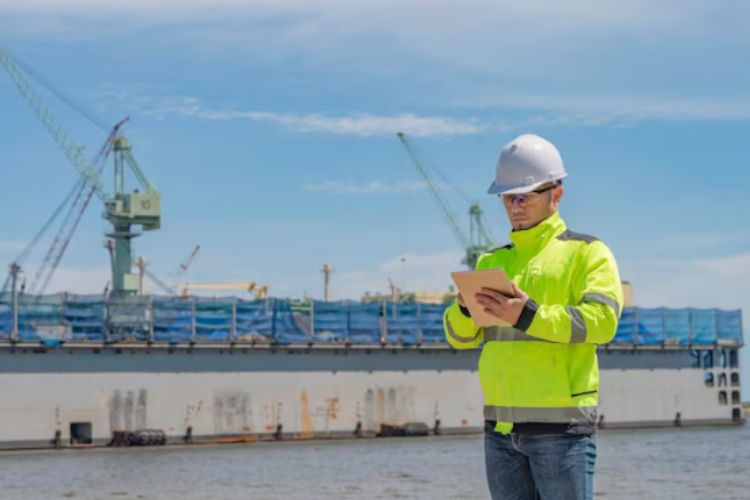
Out at sea, small oversights can become massive liabilities. A minor crack in a hull plate or a miscalibrated navigation system may seem harmless until it isn’t. That’s where ship inspection companies step in. They don’t just check boxes; they actively shape marine risk assessment strategies that keep vessels compliant, seaworthy, and financially protected.
In today’s global shipping environment, marine risk assessment is no longer optional. It’s a strategic necessity. With tightening international regulations and rising insurance scrutiny, proactive vessel inspection has become one of the most effective ways to reduce operational uncertainty.
What Is Marine Risk Assessment, Really?
Marine risk assessment is the structured process of identifying, evaluating, and mitigating risks associated with vessel operations. This includes structural integrity, machinery performance, cargo safety, crew competency, and environmental compliance.
According to the International Maritime Organization (IMO), safety management systems are mandatory under the ISM Code to reduce maritime casualties (imo.org). The U.S. Coast Guard also emphasizes risk-based inspection frameworks to improve vessel safety outcomes (uscg.mil). These frameworks rely heavily on thorough inspections.
Put simply, marine risk assessment isn’t about predicting storms it’s about preventing avoidable disasters.
The Role of Ship Inspection Companies in Risk Reduction
1. Identifying Hidden Structural Risks
Even modern vessels experience wear and fatigue. Corrosion in ballast tanks, microfractures in weld seams, or deck equipment stress often go unnoticed without specialized surveys. Inspection teams use ultrasonic thickness testing, visual surveys, and structural assessments to detect early warning signs.
- Hull integrity checks prevent water ingress and structural collapse.
- Machinery diagnostics reduce breakdown-related delays.
- Load line verification ensures safe cargo capacity.
In my experience, most maritime incidents aren’t sudden they’re gradual problems left unchecked.
2. Ensuring Regulatory Compliance
Regulatory compliance is more complex than ever. From SOLAS conventions to MARPOL environmental rules, vessels operate under a dense network of standards. Non-compliance can lead to port detentions, fines, and reputational damage.
This is where ship inspection services become indispensable. They verify documentation, safety equipment, fire suppression systems, and lifesaving appliances ensuring everything aligns with flag state and port state requirements.
A detained vessel can cost tens of thousands of dollars per day in lost revenue. Preventive inspections are far more economical than reactive penalties.
3. Supporting Insurance and Financial Risk Management
Marine insurers increasingly demand detailed survey reports before underwriting policies. A comprehensive inspection reduces uncertainty for insurers and can even lead to better premium rates.
- Pre-purchase surveys protect buyers from hidden liabilities.
- Condition surveys help insurers assess operational reliability.
- Cargo inspections reduce claims related to contamination or mishandling.
In other words, inspections don’t just protect ships they protect balance sheets.
Technology’s Growing Influence on Risk Assessment
The maritime sector is gradually embracing digital transformation. Drone inspections, remote monitoring, and predictive maintenance software are reshaping how risk is evaluated.
Modern marine surveyors now combine traditional expertise with digital tools to enhance accuracy. For example:
- Drone-based hull inspections reduce human exposure to hazardous heights.
- Thermal imaging detects overheating machinery components.
- Data analytics predicts maintenance needs before failures occur.
These innovations don’t replace experienced inspectors they empower them. The human eye still matters, especially when interpreting subtle structural anomalies or crew practices.
Common Risk Areas Evaluated During Inspections
Marine risk assessment typically focuses on high-impact operational zones:
- Navigation systems: Radar, AIS, and GPS calibration checks.
- Safety equipment: Lifeboats, fire extinguishers, emergency alarms.
- Environmental compliance: Ballast water management and emission controls.
- Crew safety protocols: Training documentation and drills.
It’s worth noting that human error remains a leading factor in maritime accidents, as highlighted by safety research from organizations like the IMO. Proper inspection helps mitigate these risks by enforcing procedure consistency.
Why Proactive Risk Assessment Matters?
Some operators treat inspections as periodic obligations. The smarter ones view them as continuous improvement tools. Proactive marine risk assessment helps shipping companies:
- Reduce downtime and emergency repairs.
- Maintain regulatory credibility across global ports.
- Strengthen stakeholder and client confidence.
At sea, predictability equals profitability. And predictability comes from preparation.
Frequently Asked Questions
1. What is the primary goal of marine risk assessment?
The main objective is to identify potential operational, structural, and compliance risks before they lead to accidents, financial loss, or regulatory penalties.
2. How often should vessels undergo inspection?
Inspection frequency depends on vessel type, age, and regulations. Many ships undergo annual surveys, intermediate surveys, and special surveys under classification society guidelines.
3. Do inspections help reduce insurance premiums?
Yes, comprehensive inspection reports can demonstrate lower operational risk, which may positively influence insurance terms and premiums.
4. Are digital tools replacing traditional marine surveyors?
No. Technology enhances efficiency and accuracy, but experienced marine surveyors remain essential for expert interpretation and decision-making.
Final Thoughts
Marine risk assessment isn’t just about ticking compliance boxes it’s about safeguarding lives, cargo, and capital. In an industry where margins can be tight and risks unpredictable, thorough inspections act as both shield and compass. The right inspection strategy doesn’t just prevent disasters it builds resilience at sea.