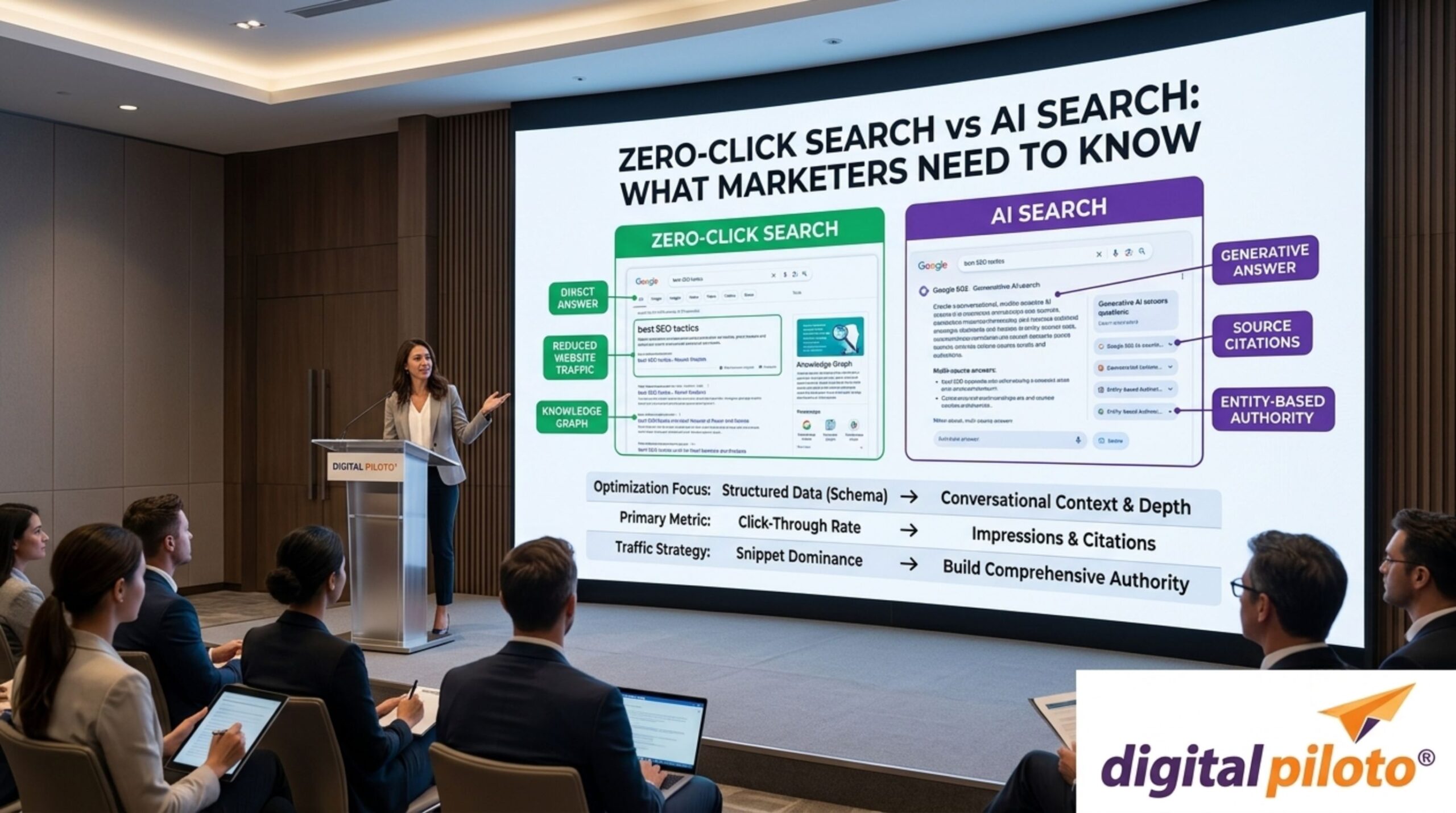


Global brands are no longer competing only for rankings—they’re competing for understanding. In a search landscape shaped by AI, content isn’t just indexed; it’s interpreted. That raises a crucial question: how do you measure whether your content is truly understood? Semantic depth is the answer, and more importantly, knowing how to track it is what separates leaders from laggards.
For brands investing in scalable digital ecosystems—often built with partners like a Kolkata Web Development Company—semantic depth becomes a foundational layer, not an afterthought. It’s the difference between content that ranks and content that resonates across AI-driven search results.
What Is Semantic Depth (Really)?
Semantic depth goes beyond keywords. It reflects how well your content connects ideas, entities, and context in a way that machines—and humans—can interpret meaningfully. Think of it like a well-organized library: not just books on shelves, but a system that helps you discover relationships between them.
Search engines now rely heavily on context mapping, entity relationships, and topical completeness. According to Google’s official guidance, helpful content is evaluated based on depth, relevance, and user-first intent—not just keyword usage.
Core Metrics That Define Semantic Depth
1. Topic Coverage Score
This measures how comprehensively your content addresses a subject. Are you covering adjacent questions, subtopics, and user intent layers?
- Number of subtopics addressed per page
- Presence of related entity mentions
- Internal linking to supporting content
2. Entity Clarity Index
Search engines rely on entities—people, places, concepts—to understand content. The clearer your entity signals, the stronger your semantic footprint.
- Structured data implementation (Schema markup)
- Consistent brand/entity mentions
- Disambiguation of terms (avoiding confusion)
3. Contextual Relevance Signals
This KPI evaluates how well your content aligns with user intent across different search scenarios.
- Search intent match (informational, transactional, etc.)
- Content freshness and updates
- User engagement signals (time on page, scroll depth)
KPIs Global Brands Should Track
Tracking semantic depth isn’t guesswork—it’s measurable. Here are some KPIs that leading global brands actively monitor:
- AI Answer Inclusion Rate: How often your content appears in AI-generated summaries.
- Topical Authority Growth: Increase in rankings across related keyword clusters.
- Content Interaction Depth: Pages per session and engagement flow.
- Entity Recognition Accuracy: How consistently your brand is identified across platforms.
Midway through scaling these efforts, many brands partner with experts like Top SEO Service Kolkata to refine their semantic frameworks and ensure alignment with evolving search algorithms.
Practical Ways to Improve Semantic Depth
Build Content Clusters
Instead of isolated blog posts, create interconnected topic clusters. This helps search engines understand your authority across a subject area.
Use Structured Data Strategically
Schema markup isn’t just technical—it’s a language for machines. It clarifies relationships between entities and improves discoverability.
Optimize for AI Interpretation
Working with a Generative Engine Optimization Company can help brands structure content for AI-driven search, ensuring it’s not just indexed but featured in generated answers.
Real-World Insight: Why It Matters
A study by McKinsey & Company highlights that AI-driven search experiences are rapidly changing how users interact with information. Brands that fail to adapt risk losing visibility—even if their traditional rankings remain stable.
In simpler terms: ranking is no longer the finish line. Being understood is.
Common Mistakes to Avoid
- Over-optimizing for keywords: This often reduces clarity instead of improving it.
- Ignoring entity relationships: Content becomes fragmented and harder to interpret.
- Lack of content updates: Semantic relevance declines over time without refreshes.
Also Read: AI Search Optimization for Marketplaces: A Governance Playbook
FAQs
Q. What is semantic depth in SEO?
A. Semantic depth refers to how well content covers a topic in context, including related ideas, entities, and user intent, making it easier for search engines to understand.
Q. Why is semantic depth important for global brands?
A. Global brands operate across diverse markets and queries. Semantic depth ensures consistent understanding and visibility across different languages and search behaviors.
Q. How can I measure semantic SEO performance?
A. You can track metrics like topical authority, entity clarity, engagement signals, and AI answer inclusion rates to evaluate semantic performance.
Q. Is semantic SEO different from traditional SEO?
A. Yes, traditional SEO focuses on keywords and rankings, while semantic SEO emphasizes meaning, context, and relationships between content elements.
Final Thoughts
Semantic depth isn’t a trend—it’s the new baseline. As AI continues to reshape search, brands that invest in meaningful, well-structured content will stand out. The goal isn’t just to be found, but to be understood, trusted, and chosen.