
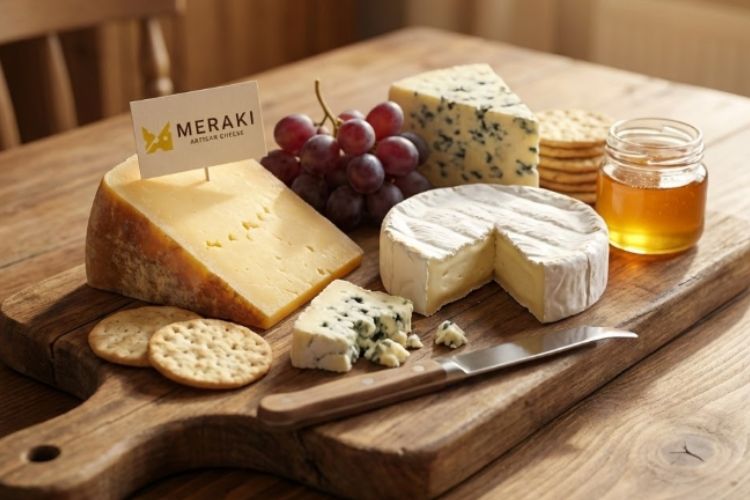
Once upon a time, cheese in most kitchens meant a familiar block from the supermarket shelf. Today, that story has changed. Home cooks are curious, adventurous, and increasingly selective. They want flavor with a backstory. That shift explains why artisanal cheese is quietly taking center stage in modern kitchens around the world.
The Cultural Shift Behind Artisanal Cheese
The rise of artisanal cheese isn’t accidental—it mirrors how people now think about food. Much like sourdough baking or specialty coffee, cheese has become a craft worth exploring. Consumers are moving away from mass-produced sameness toward products that feel personal, expressive, and honest.
According to reinterpreted insights from the USDA and global food trend reports, demand for small-batch dairy products has steadily increased as consumers prioritize transparency, quality ingredients, and traditional methods over industrial speed.
What’s driving this change?
- Ingredient awareness: People read labels more closely than ever.
- Global exposure: Travel, food shows, and social media spark curiosity.
- Desire for authenticity: Handmade foods feel more “real” in a fast world.
What Makes Artisanal Cheese Different?
At its core, artisanal cheese is about intention. Milk is sourced thoughtfully, cultures are nurtured patiently, and time is treated as an ingredient rather than an inconvenience. Unlike factory cheese, which aims for uniformity, artisanal varieties celebrate subtle differences from batch to batch.
This is why one wheel might taste slightly nuttier than the next—and why cheese lovers actually enjoy that unpredictability.
Key characteristics of artisanal cheese
- Small-batch production: Greater control over quality.
- Traditional techniques: Often inspired by regional practices.
- Minimal processing: Preserves natural flavor and texture.
Artisanal Cheese Finds a Home in Everyday Cooking
What’s fascinating is how quickly artisanal cheese has moved beyond cheese boards. It now shows up in weekday meals—crumbled over salads, melted into pastas, folded into omelets, or paired with seasonal vegetables.
Fresh styles are especially popular. A serving of Fresh natural Cheese can transform a simple dish with its clean, milky brightness, making it a favorite among home cooks who value simplicity without sacrificing flavor.
The Role of Online Access in the Cheese Boom
Availability used to be the biggest barrier. Artisanal cheese was something you discovered while traveling or at a niche gourmet store. That limitation no longer exists. Today, you can Buy gourmet cheese online with ease, opening doors for small producers and curious consumers alike.
This digital shift has done two important things: it has supported independent cheesemakers, and it has educated buyers. Product descriptions, pairing suggestions, and origin stories now travel with the cheese itself.
Why online access matters
- Wider reach: Small brands connect directly with customers.
- Better education: Consumers learn how to use and pair cheese.
- Fresh delivery: Cold-chain logistics preserve quality.
A Healthier Relationship With Dairy
Another reason artisanal cheese fits modern kitchens is moderation. These cheeses are richer and more flavorful, encouraging smaller portions and more mindful eating. Many are made without artificial additives, aligning with clean-label preferences.
Nutrition studies summarized by Harvard Health suggest that fermented dairy, when consumed in balance, can be part of a healthy diet—something artisanal cheesemakers have intuitively practiced for generations.
Frequently Asked Questions
Is artisanal cheese suitable for everyday cooking?
Yes. Many varieties melt well, crumble beautifully, and enhance simple dishes without overpowering them.
Does artisanal cheese have a shorter shelf life?
Some fresh cheeses do, but proper storage significantly extends usability while maintaining flavor.
Is artisanal cheese healthier than regular cheese?
It often contains fewer additives and more natural cultures, though portion control remains important.
Can beginners enjoy artisanal cheese without expertise?
Absolutely. Starting with mild, fresh varieties is a great way to build confidence and taste awareness.
Also Read: What Is Artisanal Cheese? A Beginner’s Guide to Natural, Handcrafted Cheese
Final Thoughts
The rise of artisanal cheese reflects something deeper than a food trend. It’s about slowing down, valuing craftsmanship, and reconnecting with what we eat. In modern kitchens, these cheeses aren’t indulgences—they’re thoughtful choices.
Blog Development Credits:
This piece was thoughtfully shaped by Meraki Artisan Cheese, blending human creativity with AI-supported research, and refined through careful editing and SEO enhancement by the same team.