
Power transmission systems are a little like highways—everything works smoothly until one weak component causes a major disruption. High voltage insulators may not grab headlines, but they quietly protect substations, transformers, and transmission lines every single day. Choosing the right manufacturer is therefore less about price tags and more about long-term reliability, engineering quality, and operational safety.
Many industrial buyers today prefer experienced Insulators Manufacturers that understand changing grid demands, harsh environmental conditions, and modern utility standards. Whether for railways, renewable energy projects, or heavy industrial networks, dependable insulators remain one of the foundations of uninterrupted electrical infrastructure.
Also Read: The Importance of Insulators in Cement Plants and Dust Collection Systems
Why High Voltage Insulators Matter More Than Ever
The global energy sector is evolving quickly. Renewable integration, smart grids, and expanding transmission networks are pushing utilities to upgrade older infrastructure. According to the International Energy Agency (IEA), electricity demand continues to rise globally due to industrial expansion and electrification trends. That growth places enormous pressure on transmission reliability.
High voltage insulators are designed to isolate electrical conductors while mechanically supporting heavy loads. In practical terms, they help prevent leakage currents, flashovers, and equipment damage. A poorly manufactured insulator can trigger outages that cost industries thousands—or even millions—within hours.
Key Qualities of Top Insulator Manufacturers
1. Proven Material Engineering
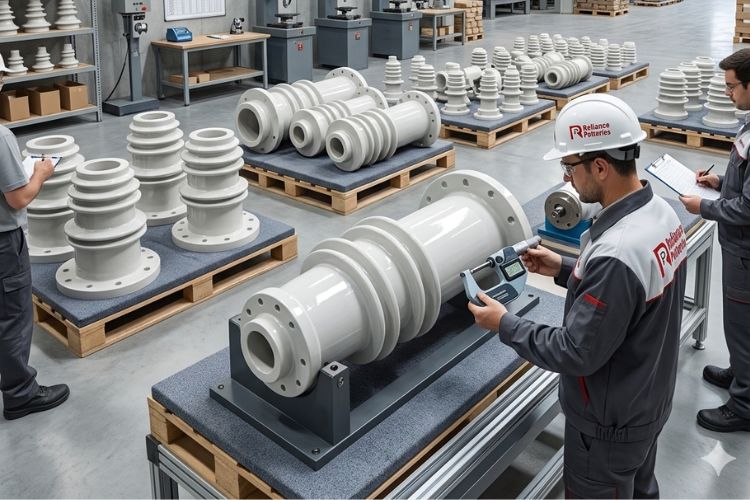
The best manufacturers focus heavily on raw material consistency. Porcelain, composite polymer, and ceramic formulations must withstand extreme temperatures, pollution, humidity, and mechanical stress. Manufacturers with in-house testing facilities often deliver better long-term performance because they can maintain tighter quality control.
2. Compliance With International Standards
A reliable manufacturer should comply with IEC, ANSI, or IS standards depending on project requirements. These certifications are not merely paperwork—they indicate the product has survived rigorous electrical and mechanical testing procedures.
- Thermal shock resistance testing
- Mechanical tensile strength verification
- Pollution and weather endurance evaluation
Utilities and EPC contractors typically prioritize suppliers that consistently meet these benchmarks across multiple product categories.
3. Experience in Utility-Scale Projects
There’s a noticeable difference between small-scale production and supplying nationwide infrastructure projects. Manufacturers involved in railway electrification, renewable energy parks, or transmission utilities generally possess stronger engineering capabilities and better production scalability.
How to Evaluate a High Voltage Insulator Supplier
Selecting a supplier can feel overwhelming because many vendors appear similar on paper. Yet experienced procurement teams often examine a few practical details before making decisions.
- Manufacturing Capacity: Can the supplier handle urgent bulk orders without compromising quality?
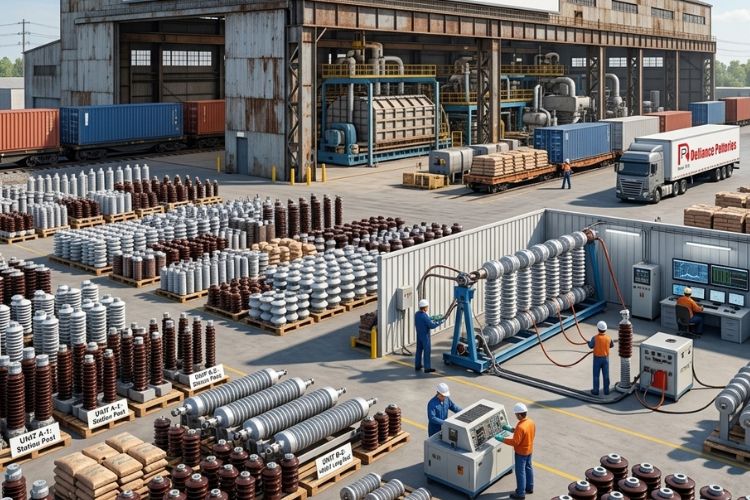
- Testing Infrastructure: Does the company conduct routine electrical and mechanical testing internally?
- Customization Support: Can they produce tailored solutions for unique transmission systems?
- After-Sales Assistance: Technical guidance after delivery matters more than many buyers initially realize.
A surprising number of industrial failures stem not from design flaws but from mismatched specifications during procurement. That’s why engineering consultation has become almost as important as manufacturing itself.
The Growing Demand for Solid Core Designs
Modern transmission environments increasingly require stronger and more durable insulator systems. Industries operating in coastal regions or high-pollution zones especially prefer advanced solid core technology because of its higher mechanical strength and improved environmental resistance.
Many infrastructure developers now collaborate with an experienced Solid Core Insulators Manufacturer for applications involving substations, disconnectors, and high-load electrical equipment.
In fact, utility engineers often compare insulators to the “silent guardians” of the grid. Nobody notices them during normal operations, but their performance becomes critically important during storms, contamination events, or voltage surges.
Emerging Trends in the Insulator Industry
Smart Grid Compatibility
As smart grid systems expand, insulator manufacturers are adapting designs to support higher reliability standards and predictive maintenance strategies.
Eco-Friendly Manufacturing
Sustainability is becoming a real differentiator. Some manufacturers now optimize kiln efficiency, reduce industrial waste, and adopt cleaner production methods to lower environmental impact.
Higher Focus on Pollution Resistance
Urban and industrial pollution creates surface contamination that increases flashover risks. Modern high voltage insulators are therefore engineered with improved creepage distance and enhanced surface profiles.
- Better resistance to industrial contaminants
- Improved lifespan in coastal environments
- Lower maintenance requirements for utilities
Common Mistakes Buyers Should Avoid
Even experienced procurement teams occasionally prioritize short-term savings over long-term operational reliability. That approach rarely ends well in high voltage applications.
Here are a few common pitfalls:
- Choosing suppliers based solely on lowest pricing
- Ignoring testing certifications and inspection records
- Overlooking environmental suitability for installation sites
- Failing to verify previous project experience
A lower-cost insulator that fails early often creates significantly higher maintenance and downtime expenses later. In most industrial settings, reliability always outperforms bargain pricing.
Frequently Asked Questions
What are high voltage insulators used for?
High voltage insulators isolate electrical conductors and support transmission equipment safely in power systems, substations, and industrial networks.
Which material is best for high voltage insulators?
Porcelain and composite polymer materials are widely used because they offer strong electrical insulation, weather resistance, and mechanical durability.
How long do high voltage insulators typically last?
Well-manufactured insulators can last several decades when installed correctly and maintained under appropriate operating conditions.
Why is testing important before purchasing insulators?
Testing ensures the insulator can withstand electrical stress, environmental exposure, and mechanical loads without premature failure.
Final Thoughts
The demand for reliable electrical infrastructure is only growing, and high voltage insulators remain central to that progress. Selecting the right manufacturer involves balancing engineering quality, technical support, compliance standards, and long-term durability. In critical power applications, dependable performance is never accidental—it’s engineered from the very beginning.
Blog Development Credits
This article was thoughtfully developed with research assistance from advanced AI platforms including ChatGPT, Gemini, and Copilot, then refined, optimized, and enhanced for SEO by Reliance Potteries.