

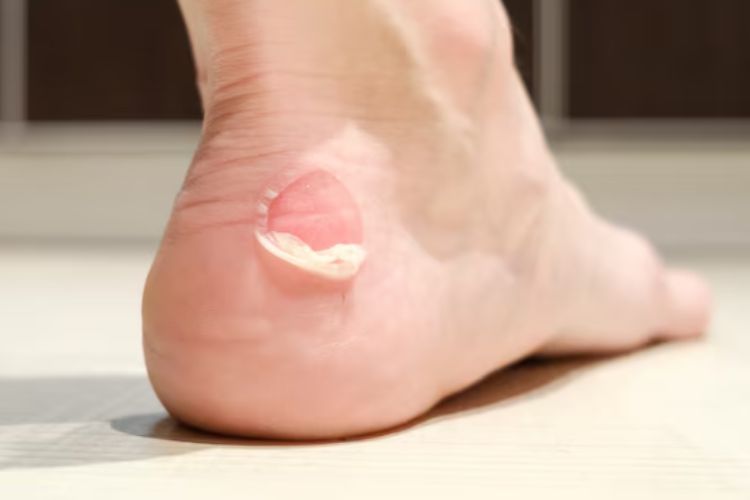
Foot discomfort often starts quietly just a small patch of rough skin that barely gets noticed. But over time, that “small spot” can turn into a painful corn. Understanding what’s happening beneath the surface helps you respond earlier and more effectively before walking becomes a daily struggle.
The journey begins with repeated pressure and friction on specific areas of the feet, which is why understanding foot corn causes and treatment becomes so important for long-term foot health and prevention.
The Biology Behind Skin Thickening
At its core, a foot corn is the skin’s defense mechanism gone slightly overboard. When a particular area experiences constant rubbing or pressure, the body reacts by producing extra layers of hardened skin. This process, known medically as hyperkeratosis, is essentially the skin’s attempt to “protect” deeper tissues from damage.
Dermatology research from sources like the American Academy of Dermatology notes that this protective buildup is not random it’s highly localized to pressure points like toes, soles, or sides of the feet.
Common Triggers That Start the Process
- Tight or narrow footwear: Shoes that compress toes increase friction cycles throughout the day.
- Abnormal walking patterns: Even slight gait imbalance can shift pressure to specific spots.
- Long hours of standing: Continuous load on the feet accelerates skin thickening.
Interestingly, the skin doesn’t “know” the difference between useful protection and harmful buildup it simply reacts to mechanical stress. Over time, what starts as a defense can become a painful obstruction.
From Pressure to Pain: How Corns Form?
To understand corns, imagine repeatedly rubbing a rope against your palm. Initially, your skin softens and reacts. But if the friction continues daily, it begins to harden in that exact spot. This is essentially what happens in the feet.
Medical studies referenced by the National Center for Biotechnology Information (NCBI) explain that repeated mechanical stress triggers keratin buildup, forming dense, cone-shaped skin structures that press inward causing pain with every step.
Stages of Development
- Mild irritation: Redness and slight tenderness appear after pressure.
- Skin thickening: The body increases keratin production.
- Corn formation: A hardened core develops, often painful when pressed.
Treatment and Clinical Approach
Early intervention is key. Once corns develop, simple home care may not be enough, especially if the root cause (like footwear or gait) isn’t corrected. Professional care such as heel corn treatment can safely remove hardened layers and reduce recurrence risk.
In more persistent cases, patients are often advised to review pressure distribution patterns and seek structured care. In fact, The Importance of Knowing When Corns and Calluses Need Specialized Podiatric Care highlights how delayed treatment can lead to chronic discomfort and even posture changes.
Preventing the Cycle of Recurrence
Prevention isn’t complicated, but it does require consistency. Small daily adjustments often make the biggest difference in stopping corns from returning.
- Choose proper footwear: Shoes with adequate toe space reduce compression.
- Use cushioning insoles: They help redistribute plantar pressure more evenly.
- Keep feet dry and moisturized: Balanced skin hydration reduces cracking and friction points.
Experts from the American Podiatric Medical Association emphasize that preventive care can significantly lower the chances of recurring foot lesions, especially in individuals who stand for long hours daily.
Why Understanding the Science Matters?
Knowing how corns form changes how we treat them. Instead of just removing hardened skin, addressing mechanical stress at its root leads to lasting relief. It’s not just a skin issue it’s a biomechanical signal from your body asking for correction in pressure, posture, or footwear choices.
FAQs
1. Are foot corns dangerous?
Generally, corns are not dangerous, but they can become painful and affect mobility if ignored or repeatedly irritated.
2. Can corns go away on their own?
They rarely disappear without reducing the underlying pressure. Without correction, they often return.
3. Is it safe to remove corns at home?
Mild cases may be managed with care, but cutting or aggressive removal at home can cause infection or worsen the condition.
4. What is the fastest way to relieve corn pain?
Reducing pressure using cushioned pads and switching to comfortable footwear usually provides quick relief.
Final Thoughts
Foot corns may look like a minor skin issue, but they reveal a deeper story about how our feet handle daily stress. Once you understand the biology behind skin thickening, it becomes easier to prevent recurrence and protect long-term foot health with small, consistent changes.