

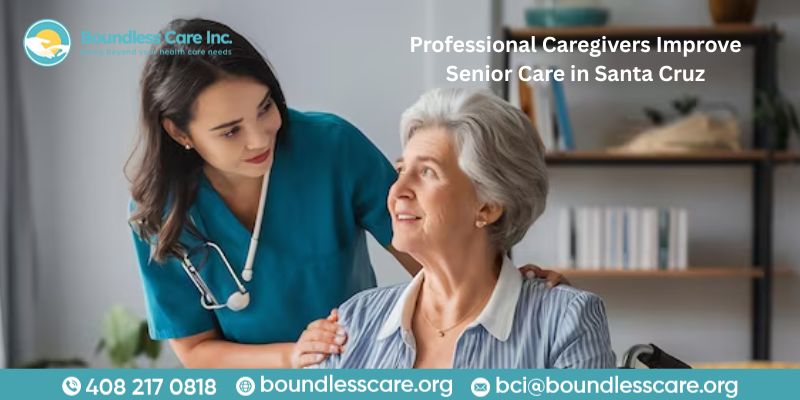
Professional caregivers make senior care more effective by combining practical support, experience, and compassionate attention that helps older adults remain safe, independent, and comfortable at home. Whether assisting with daily routines or providing companionship, trained caregivers improve quality of life while giving families confidence that their loved ones are receiving reliable, personalized care.
Families searching for dependable Senior Care Services Santa Cruz often discover that professional caregiving is about much more than helping with everyday tasks. It creates a structured care environment where seniors receive individualized support that adapts as their needs change, allowing them to age with dignity in familiar surroundings.
What Is a Professional Caregiver?
A professional caregiver is a trained care provider who assists older adults with daily living activities, promotes safety, encourages independence, and offers emotional companionship. Depending on individual needs, caregivers may provide non-medical support such as personal care, meal preparation, mobility assistance, medication reminders, and household help.
Unlike occasional family assistance, professional caregivers follow consistent care routines and understand how to respond appropriately to age-related challenges while respecting each senior’s independence.
Why Do Professional Caregivers Improve Senior Care?
The effectiveness of senior care depends on consistency, observation, and personalization. Professional caregivers deliver all three, helping seniors maintain routines that support both physical and emotional well-being.
Rather than offering one-size-fits-all assistance, experienced caregivers adapt their approach to each person’s lifestyle, health condition, mobility level, and personal preferences.
Key Reasons Professional Care Is More Effective
- Personalized daily assistance tailored to individual needs.
- Consistent routines that reduce stress and confusion.
- Early recognition of physical or emotional changes.
- Improved home safety and fall prevention.
- Companionship that reduces loneliness and social isolation.
- Reliable communication with family members.
How Professional Caregivers Personalize Daily Support?
Every senior experiences aging differently. Some need occasional help with errands, while others require ongoing mobility assistance or memory support. Personalized caregiving focuses on understanding these differences before creating a care plan.
Step-by-Step Care Planning Process
- Initial Assessment – Evaluate mobility, health status, routines, and personal goals.
- Create an Individualized Care Plan – Design support based on daily living requirements and lifestyle preferences.
- Match the Right Caregiver – Pair seniors with caregivers whose skills and personalities complement their needs.
- Deliver Consistent Care – Establish familiar routines that promote comfort and confidence.
- Review and Adjust Regularly – Modify services as health conditions or family expectations evolve.
This structured process ensures seniors receive care that evolves alongside their changing circumstances.
The Value of Experience in Everyday Care
Professional caregivers often notice subtle changes that family members may overlook during occasional visits. A decrease in appetite, slower walking speed, unusual fatigue, or changes in mood can all indicate that additional support is needed.
These observations allow families to respond earlier, often preventing larger health or safety concerns before they develop.
Supporting Independence Instead of Replacing It
One common misconception is that accepting professional care reduces independence. In reality, quality caregiving encourages seniors to remain active by assisting only where necessary.
Whether preparing nutritious meals, providing transportation, or helping with mobility, caregivers support seniors without taking away their ability to make everyday decisions.
Providers offering Senior Care in Santa Clara frequently emphasize this balance because maintaining dignity and personal choice is fundamental to successful aging in place.
Benefits Families Notice Most
Practical Advantages
- Greater home safety.
- Reduced caregiver stress for family members.
- Better medication routines.
- Improved nutrition and hydration.
- Increased social interaction.
- Lower risk of falls.
- Enhanced emotional well-being.
- Peace of mind through regular communication.
According to the National Institute on Aging, caregiver support plays an important role in helping older adults maintain independence while improving overall quality of life for both seniors and their families.
When Should Families Consider Professional Care?
Many families wait until a medical emergency occurs before seeking assistance. However, introducing professional care earlier often leads to better long-term outcomes.
Signs that additional support may be beneficial include:
- Frequent falls or balance concerns.
- Difficulty preparing meals.
- Missed medications.
- Memory-related challenges.
- Increasing isolation or loneliness.
- Family caregivers feeling physically or emotionally overwhelmed.
Early intervention helps seniors maintain routines while preventing unnecessary complications.
Choosing a Professional Caregiver
Selecting the right caregiver involves more than comparing service costs. Families should evaluate caregiver training, communication practices, scheduling flexibility, supervision, and the agency’s ability to personalize care.
Helpful questions include:
- How are caregivers matched with clients?
- Can care plans change as needs evolve?
- How is caregiver performance monitored?
- What happens during emergencies?
- How are families kept informed?
Transparent providers answer these questions openly because trust is the foundation of quality senior care.
Frequently Asked Questions
1. What do professional caregivers do for seniors?
They assist with personal care, meal preparation, mobility, companionship, medication reminders, housekeeping, and other daily activities based on individual needs.
2. Why is professional caregiving more effective than occasional family help?
Professional caregivers provide consistent support, recognize health changes early, and follow structured care plans tailored to each senior.
3. Can seniors remain independent while receiving professional care?
Yes. Professional caregivers encourage independence by assisting only where support is needed while promoting daily participation and personal choice.
4. How are personalized care plans developed?
Care plans are created after assessing the senior’s health, mobility, routines, preferences, and family expectations, then updated regularly.
5. When should families arrange professional senior care?
Families should consider care when daily tasks become difficult, safety concerns increase, or caregivers begin experiencing burnout.
Final Thoughts
Professional caregivers do far more than provide assistance they build confidence, encourage independence, and improve everyday life for older adults. Through personalized attention, consistent routines, and compassionate support, they make senior care significantly more effective while helping families feel reassured that their loved ones are receiving respectful, dependable care every day.
Full Audio Version:- Click Here