
Have you been putting off a foot specialist appointment because you’re unsure what will happen? That’s a common concern, especially if foot pain has gradually become part of your daily routine. Visiting a specialist for the first time is usually much simpler than most people imagine and understanding the process can help you walk into the clinic with confidence.
If you’re planning to consult a flat feet doctor in Kolkata, knowing what to expect can make the experience far less stressful. From discussing your symptoms to receiving a personalized care plan, every step is designed to identify the cause of your discomfort and improve your mobility. Whether you’re an athlete, an office worker, or a parent concerned about a child’s walking pattern, the first visit lays the foundation for healthier feet.
Why Flat Feet Shouldn’t Be Ignored?
Flat feet, also known as fallen arches, occur when the arch of the foot collapses or doesn’t develop fully. While some people never experience discomfort, others notice persistent pain in the heels, ankles, knees, or even the lower back. According to the American Academy of Orthopaedic Surgeons (AAOS), untreated arch problems may gradually affect walking mechanics and place additional strain on nearby joints.
The encouraging part is that many cases improve with early diagnosis, proper footwear, exercises, or custom orthotics without requiring surgery.
What Happens During Your First Appointment?
1. A Detailed Discussion About Your Symptoms
Your consultation usually begins with a conversation rather than an examination. The doctor may ask when your pain started, whether it worsens after standing, what type of shoes you wear, and whether anyone in your family has similar foot conditions.
Sharing even small details can help the specialist understand whether your condition developed gradually or resulted from injury, overuse, or age-related changes.
2. Physical Examination of Your Feet
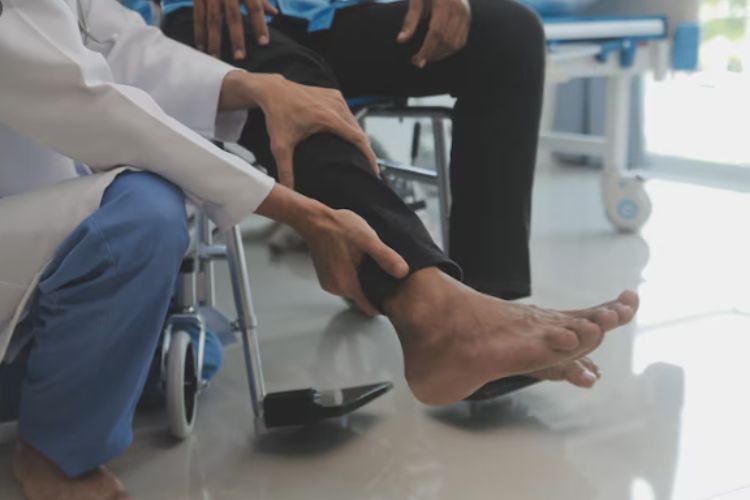
Next comes a hands-on assessment. The doctor observes your feet while you’re sitting, standing, and walking. This allows them to evaluate your arch, ankle alignment, balance, flexibility, and gait.
- Your walking pattern and posture
- Range of motion in the foot and ankle
- Areas of tenderness or swelling
- Distribution of body weight while standing
It’s a bit like checking wheel alignment in a car—small changes in one area can influence the entire body’s movement.
3. Imaging Tests Only If Necessary
Not every patient requires imaging. However, if the doctor suspects structural damage, arthritis, tendon injury, or advanced deformity, they may recommend X-rays or other diagnostic scans.
These images help create a clearer picture before deciding on the most appropriate treatment plan.
Discussing the Right Treatment Plan
After evaluating your condition, your specialist will explain the available options. The approach depends on your age, lifestyle, symptoms, and the severity of the flat feet.
For many patients, the best treatment of flat foot starts with conservative care rather than invasive procedures.
- Custom orthotic insoles for improved arch support
- Stretching and strengthening exercises
- Lifestyle or footwear modifications
- Pain management when inflammation is present
- Surgery only in carefully selected cases where conservative care fails
This personalized strategy often delivers better long-term results than relying solely on over-the-counter arch supports.
How to Prepare Before Your Visit?
A little preparation can make your consultation much more productive.
- Bring your previous medical reports or imaging if available.
- Wear comfortable footwear that’s easy to remove.
- Carry a list of medications you’re currently taking.
- Write down your symptoms, including when they become worse.
- If possible, bring the shoes you wear most often since they reveal valuable wear patterns.
These simple steps help the doctor gain a complete understanding of your daily foot mechanics.
Questions Worth Asking During the Consultation
Patients who ask questions usually leave feeling more confident about their recovery. Consider discussing topics like:
- Can regular exercise improve my arch support?
- How long will conservative treatment take to show results?
- Will custom orthotics be necessary?
- Are there activities I should temporarily avoid?
According to guidance from the American Podiatric Medical Association (APMA), early intervention and proper foot care often reduce discomfort and improve daily function.
Frequently Asked Questions
1. Is flat feet always painful?
No. Many individuals have flat feet without symptoms, while others experience pain depending on activity level, age, or associated tendon problems.
2. Will I need surgery during my first visit?
Almost never. Most specialists begin with non-surgical treatment unless a severe structural problem or injury requires surgical evaluation.
3. How long does the first consultation take?
Typically, the first appointment lasts between 30 and 45 minutes, depending on your symptoms and whether additional tests are required.
4. Can children with flat feet also visit a specialist?
Yes. Children with persistent pain, difficulty walking, or unusual gait patterns should be evaluated so that any underlying issues can be addressed early.
Final Thoughts
Your first consultation is less about complicated medical procedures and more about understanding how your feet support your everyday life. With an accurate diagnosis, timely guidance, and a personalized treatment plan, many people regain comfort, improve mobility, and return to their normal activities without unnecessary delays. Taking that first step today could make every future step feel much easier.