
Choosing a reliable solid core insulator manufacturer requires more than comparing prices or browsing product photographs. Buyers must assess electrical ratings, mechanical strength, insulation performance, application requirements, quality controls and technical documentation. For projects involving industrial electrostatic precipitators, related components such as Wall Through Bushings for ESP may also need to be specified as part of the wider electrical insulation system.
A carefully selected manufacturer should be able to review the purchaser’s drawings, clarify technical requirements, offer a suitable design and provide the agreed test and inspection records. This process helps reduce specification mismatches, installation issues and avoidable procurement delays.
Also Read: How Insulator Design Influences Electrical Equipment Reliability
What Is a Solid Core Insulator?
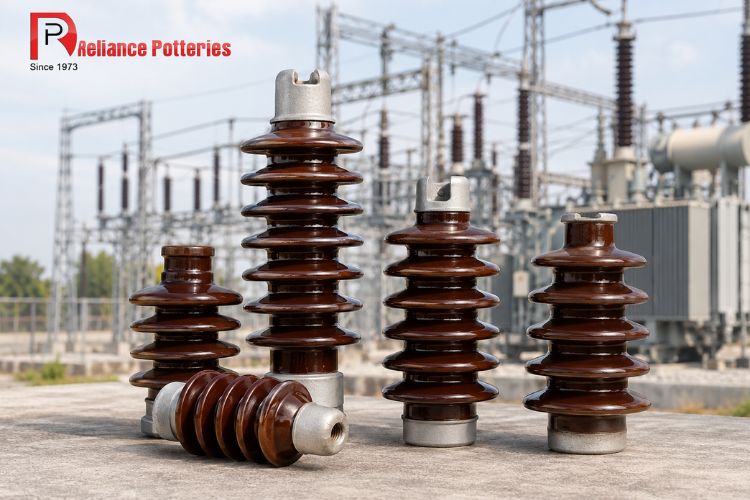
A solid core insulator is an electrical insulation component designed to support conductors or equipment while maintaining electrical separation from grounded structures. Porcelain solid core post insulators are used in suitable high-voltage installations, including substations, switchgear and equipment-support applications.
The correct design depends on the equipment, system voltage, mechanical loads, mounting arrangement and service environment. A product suitable for one installation should not automatically be assumed suitable for another.
1. Check Electrical Ratings and Mechanical Strength
Start by giving the manufacturer the project’s technical specification. This should identify the relevant voltage ratings, required electrical withstand performance, mechanical loading and dimensions.
- Electrical ratings: Confirm the applicable system voltage and required power-frequency and impulse withstand values.
- Mechanical requirements: Specify the required mechanical failing load or other design loads applicable to the product.
- Dimensions and fittings: Confirm overall height, mounting interfaces, connection arrangements and dimensional tolerances.
- Equipment compatibility: Ensure the design matches the intended switchgear, busbar support, isolator or other application.
IEC 60168 covers tests on ceramic or glass post insulators for systems with nominal voltages above 1,000 V. IEC 60273 addresses relevant electrical, mechanical and dimensional characteristics. Request confirmation of the specific editions and requirements applicable to your order rather than relying on a general standards statement.
2. Evaluate Environmental and Pollution Conditions
Outdoor high-voltage equipment may face moisture, industrial dust, salt deposits and other contaminants. These conditions can influence the required insulation design and surface creepage distance.
IEC TS 60815-1:2025 provides general principles for selecting and dimensioning high-voltage insulators in polluted environments. IEC TS 60815-2:2025 addresses ceramic and glass insulators for outdoor AC systems. The applicable design should reflect the actual installation conditions and purchaser requirements.
Also discuss relevant mechanical and environmental loads, such as wind, temperature variation, seismic conditions and equipment-generated forces where applicable. The manufacturer should work from the project’s requirements rather than assume one design fits every location.
3. Verify Standards, Testing and Quality Records
A credible technical proposal should identify the standards and inspection requirements applicable to the exact product. Ask for the technical datasheet, approved drawings, relevant type-test documentation and an agreed plan for routine and acceptance testing where specified.
Review whether the available documents relate to the offered design and rating. Check test scope, report dates, laboratory details where relevant, product identification and any deviations from the purchase specification.
For Indian projects, verify the current status of referenced IS standards through the Bureau of Indian Standards and follow the purchaser’s tender or approved technical specification. Older catalogue references may not always reflect current standard status or project requirements.
4. Assess Manufacturing Quality and Consistency
Ask how the manufacturer manages material selection, production controls, dimensional checks, porcelain surface inspection, metal fittings and final product inspection. For porcelain products, material integrity and manufacturing consistency are important because defects can affect electrical or mechanical performance.
Useful questions include:
- How are raw materials and production batches identified?
- Which inspections and tests are performed during manufacture?
- How are non-conforming products handled and documented?
- Can the manufacturer support agreed inspection requirements before dispatch?
Do not treat a general quality certificate or marketing statement as a substitute for product-specific test evidence and the contractual quality plan.
5. Check Customisation, Delivery and Total Cost
Some applications require customised dimensions, mounting arrangements, voltage configurations or material choices. Confirm that the manufacturer can review the drawings, communicate technical deviations and obtain approval before production begins.
Compare quotations on the same basis. Include the unit price, applicable testing charges, tooling or customisation costs, packaging, freight, inspection arrangements and delivery schedule. Clarify warranty terms and the process for resolving quality issues.
The lowest quotation is not necessarily the lowest-cost option over the full procurement process. A technically unsuitable product can lead to redesign, replacement, project delays or additional inspection expenses.
Why Consider Reliance Potteries?
Reliance Potteries is a Kolkata-based manufacturer and exporter of high-tension electro-porcelain insulators, established in 1973. Its published product portfolio includes solid core insulators and other electrical porcelain components. The company also describes customised manufacturing according to customer requirements.
Businesses evaluating a supplier can explore the Solid Core Insulators Manufacturer product category and share their application, voltage rating, mechanical requirements, drawings and applicable specification for a more focused technical discussion.
Supplier Selection Checklist
- Does the proposed product match the system rating and intended application?
- Are mechanical loading, dimensions and mounting interfaces clearly specified?
- Has the environmental and pollution profile been considered where relevant?
- Are applicable standards and test documents identified and verifiable?
- Can the manufacturer support the required quality inspection and traceability?
- Are customisation, delivery, warranty and commercial terms clearly documented?
Frequently Asked Questions
Which standards should buyers check for solid core insulators?
Relevant references may include IEC 60168 for testing, IEC 60273 for post-insulator characteristics and the applicable IEC 60815 guidance for polluted environments. The exact requirements depend on the product, application and purchaser specification.
What documents should a manufacturer provide?
Request the technical datasheet, approved drawings, relevant test reports, inspection plan, applicable compliance declarations and agreed quality documentation. Confirm that each record applies to the proposed product.
How can buyers compare two manufacturers fairly?
Issue the same technical specification to both suppliers, then compare compliance, verified testing, manufacturing controls, customisation, delivery terms and total cost. Do not compare prices until technical deviations are understood.
Discuss Your Solid Core Insulator Requirements
Selecting the right manufacturer begins with a clear specification and verifiable product evidence. Electrical ratings, mechanical strength, environmental suitability, manufacturing quality and testing records should all inform the purchasing decision.
Visit Reliance Potteries’ solid core insulator product page to explore its published offering and discuss the requirements of your electrical equipment or industrial project.
Also Read: Industrial Insulator Suppliers for Power Projects
Blog Development Credits
This article was thoughtfully developed by Reliance Potteries, researched with support from advanced AI platforms including ChatGPT, Google Gemini, and Copilot, then carefully refined with editorial review and SEO optimization by Reliance Potteries.