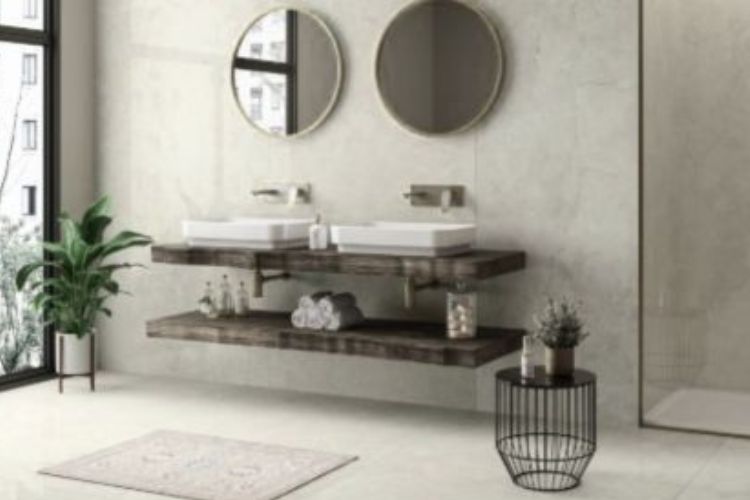


Choosing tiles sounds simple until you face hundreds of colours, finishes, sizes, and price points. Whether you are renovating a villa, fitting out an office, or planning a hospitality project, the right supplier can make the process far smoother. Working with reliable Tiles Suppliers In Uae helps you balance design, durability, availability, and budget.
Why the Right Tile Supplier Matters?
A tile is more than a decorative surface. It has to deal with foot traffic, moisture, cleaning, temperature changes, and everyday wear. That is why choosing a supplier based purely on the lowest quoted price can become an expensive decision later.
The scale of construction activity in Dubai also shows why dependable material sourcing matters. Dubai Municipality reported more than 30,000 building permit applications in the first half of 2025, representing growth of more than 20% compared with the same period in 2024. More than 5.5 million square metres of newly licensed built-up area were ready for execution. Dubai Municipality’s construction update provides the full figures.
For homeowners, this means plenty of choice. For contractors and businesses, it also means the ability to find suppliers capable of handling larger and more demanding orders.
What to Look for in Tile Suppliers in UAE?
Not every tile supplier offers the same combination of products, technical knowledge, and after-sales support. Before placing an order, look beyond the showroom display.
1. Product Range
A good supplier should offer options for different areas and design requirements. Depending on the project, you may need porcelain tiles for busy floors, ceramic tiles for walls, outdoor tiles for terraces, or decorative options for feature areas.
- Porcelain tiles: A practical choice for high-traffic residential and commercial spaces.
- Ceramic tiles: Often selected for walls, kitchens, bathrooms, and decorative applications.
- Large-format tiles: Useful for creating a clean, contemporary appearance with fewer visible joints.
- Outdoor tiles: Designed with surface characteristics suitable for exterior applications.
The key is not simply having a large catalogue. A knowledgeable supplier should help you understand which product actually fits your space.
2. Consistent Quality and Availability
Imagine discovering halfway through a project that the exact tile you selected is no longer available. It is a frustrating situation—and one that can affect schedules, labour, and the overall appearance of a finished space.
Ask suppliers about stock levels, batch consistency, lead times, and whether additional quantities can be sourced when required. For commercial projects, these details can be just as important as the tile’s appearance.
3. Technical Guidance
Experienced tile suppliers should be able to discuss practical considerations such as tile thickness, intended application, slip resistance, installation requirements, maintenance, and suitable grout combinations.
This is particularly useful when choosing floor tiles in UAE, where a product that looks excellent in a showroom may not necessarily be the best match for a high-use area.
Choosing Tiles for Homes
Residential projects give you more freedom to express personal style, but practicality should still lead the decision. A glossy surface may look beautiful in a showroom, while a textured or matt finish could be easier to live with in a busy household.
For kitchens and bathrooms, consider moisture exposure and cleaning requirements. Living rooms and bedrooms may offer more flexibility, allowing you to focus on colour, texture, size, and overall visual flow.
Before ordering, it is worth checking this guide: 3 Tile Project Mistakes To Avoid For Your Home. A few minutes of planning can prevent costly mistakes later.
Choosing Tiles for Businesses
Commercial spaces require a slightly different mindset. An office, restaurant, retail store, hotel, or clinic may experience considerably more traffic than a typical home, so durability and maintenance become central concerns.
Businesses should consider:
- Traffic levels: Select products suited to the expected volume of daily use.
- Maintenance: Choose surfaces that can be cleaned efficiently without demanding excessive upkeep.
- Replacement availability: Confirm whether matching tiles can be obtained if repairs are needed later.
- Project quantities: Discuss bulk requirements and delivery schedules before finalising the purchase.
If you are sourcing products in the capital, visiting a ceramic tiles shop in abu dhabi can also make it easier to compare finishes, colours, textures, and sizes in person.
How to Compare Tile Suppliers Before Buying?
Price is important, but it should not be the only number on your comparison sheet. A slightly cheaper tile may become less economical if there are delivery delays, inconsistent batches, excessive breakage, or limited support.
- Request samples before confirming a large order.
- Compare specifications, not just photographs.
- Ask about current stock and expected replenishment times.
- Calculate the required quantity carefully and allow a reasonable installation allowance.
- Confirm delivery arrangements and inspect products when they arrive.
For large projects, it is sensible to discuss the complete requirement with the supplier before purchasing. This gives both sides a clearer understanding of quantities, deadlines, preferred products, and potential substitutions.
Why Local Expertise Can Make a Difference
The UAE’s construction environment has its own practical considerations, from project schedules and logistics to the demands placed on materials by different types of properties. Dubai Municipality reported that 23,270 buildings were under construction during 2025, covering more than 40 million square metres. The figures included private and investment villas, multi-storey buildings, public buildings, and industrial facilities. Dubai Municipality’s 2025 construction statistics highlight the breadth of this activity.
That is why choosing experienced tile suppliers in Dubai or elsewhere in the UAE can be valuable. A supplier familiar with local projects can often provide practical guidance on product selection, ordering, delivery, and project coordination.
Frequently Asked Questions
What should I consider when choosing a tile supplier in the UAE?
Look at product quality, range, stock availability, technical support, delivery capability, pricing, and the supplier’s experience with projects similar to yours.
Which tiles are best for high-traffic commercial areas?
Porcelain tiles are often considered for high-traffic areas because of their durability and low-maintenance characteristics. However, the final selection should match the project’s specific technical requirements.
Should I buy extra tiles for my project?
Yes. Keeping a reasonable quantity of spare tiles can be useful because cutting, installation, breakage, and future repairs may require additional pieces. Your installer or supplier can help estimate an appropriate allowance.
Is it better to see tiles in person before buying?
Whenever possible, yes. Physical samples allow you to assess the actual colour, texture, finish, thickness, and scale instead of relying entirely on screen images.
Final Thoughts
The best tile supplier is not necessarily the one offering the lowest initial quote. It is the supplier that combines dependable products, useful advice, consistent availability, and service that keeps your project moving. Whether you are upgrading a family home or managing a commercial fit-out, taking time to compare suppliers can make the entire tiling process easier—and the finished result much more satisfying.
Full Audio Version: Click Here