

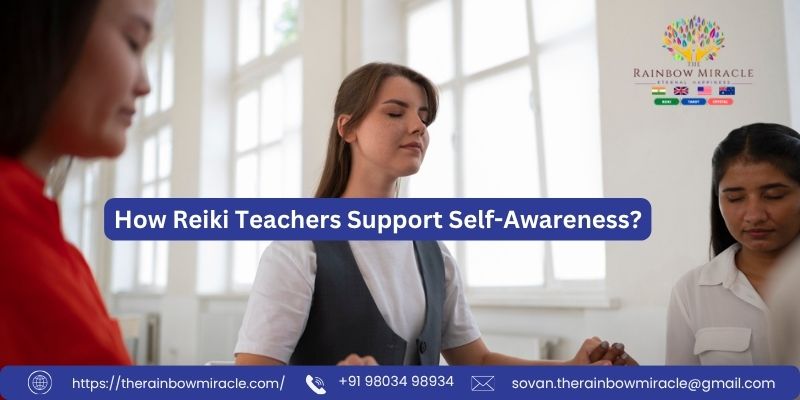
Reiki teachers in India can support personal growth by guiding people toward greater self-awareness, mindful attention, emotional reflection, and consistent self-care. Rather than presenting personal growth as an overnight transformation, experienced Reiki Teachers in India typically encourage students to slow down, observe their inner experiences, and develop a more intentional relationship with themselves.
This approach can be especially meaningful for people who feel caught in repetitive thoughts, emotional patterns, or demanding routines. Reiki practice creates a structured opportunity to pause, reflect, and notice what may otherwise be overlooked in everyday life.
What Is Reiki-Based Personal Growth?
Reiki-based personal growth refers to using Reiki practice as a framework for self-reflection, mindful awareness, relaxation, and personal development. The emphasis is on noticing one’s thoughts, feelings, habits, and responses rather than trying to force immediate change.
Reiki is a complementary wellness practice originating in Japan. People may use it for relaxation and personal reflection, while experiences and perceived benefits can differ from person to person.
A responsible teacher should avoid promising guaranteed medical or psychological outcomes. Reiki practice can complement personal wellness, but it should not be presented as a substitute for appropriate professional healthcare.
How Can Reiki Encourage Self-Awareness?
1. It Creates Space to Observe Yourself
Modern life rarely leaves much room for quiet observation. Work, notifications, responsibilities, and constant stimulation can make it difficult to notice what is actually happening internally.
A regular Reiki practice can create a deliberate pause. During that quiet period, someone may become more aware of physical sensations, thoughts, emotions, or recurring concerns.
2. It Encourages Reflection Instead of Automatic Reactions
Personal growth often begins with a simple question: “Why do I respond this way?” Reiki sessions or self-practice may encourage people to notice their reactions before immediately acting on them.
That small gap between noticing and reacting can become valuable. It gives a person an opportunity to respond more consciously rather than simply repeating an old habit.
3. It Can Strengthen a Self-Care Routine
Self-awareness becomes more useful when it leads to practical changes. Setting aside regular time for relaxation, reflection, journaling, breathing exercises, or quiet meditation can make self-care more intentional.
A Reiki teacher can help students establish a practice that feels realistic rather than overwhelming. Consistency generally matters more than making the routine complicated.
What Role Does a Reiki Teacher Play?
A teacher’s role is not to tell someone who they should become. A good teacher provides guidance, explains the practice clearly, encourages questions, and creates an environment where students can explore their own experiences without unnecessary judgment.
The relationship can be particularly helpful for beginners who are unsure how to approach meditation, self-practice, or Reiki techniques. Clear instruction gives the learner a foundation while still leaving room for individual interpretation.
In my view, this is where teaching quality matters. A thoughtful practitioner should encourage curiosity rather than dependence and personal responsibility rather than exaggerated promises.
Five Ways Reiki Practice Can Support Personal Growth
- Greater emotional awareness: You may become more attentive to changing moods and emotional responses.
- Improved reflection: Quiet practice can encourage you to examine recurring thoughts and habits.
- More intentional self-care: Regular practice can make personal downtime a deliberate part of your routine.
- Better awareness of boundaries: Reflection may help you recognize situations that consistently leave you overwhelmed.
- A stronger sense of presence: Mindful attention can encourage greater focus on the current experience.
These are possibilities rather than guaranteed outcomes. Personal development depends on the individual, the consistency of practice, and the broader habits surrounding it.
How to Use Reiki as a Self-Awareness Practice?
For someone new to Reiki, the process does not need to feel complicated. The goal is to create a repeatable practice that encourages observation.
- Choose a quiet period. Set aside a few uninterrupted minutes when you can be comfortable.
- Set an intention. Instead of demanding a particular result, decide to observe yourself with openness.
- Practice according to your training. Follow the Reiki techniques taught by your qualified teacher.
- Notice your experience. Pay attention to thoughts, sensations, emotions, and distractions without judging them.
- Reflect afterward. Ask yourself what you noticed and whether any recurring pattern stood out.
- Apply one practical insight. If you recognize a useful pattern, consider one small change you can make in daily life.
Can Reiki Be Practiced Online?
Yes, people can learn about Reiki remotely, depending on the teacher and the format of instruction. Reiki Healing Online can provide a convenient option for people who cannot attend an in-person session or class.
However, online learning should still include clear explanations, realistic expectations, opportunities to ask questions, and appropriate guidance. Convenience should not come at the expense of responsible teaching.
What Should You Look for in a Reiki Teacher?
Choosing a teacher is an important part of the experience. Look beyond impressive claims and focus on how the practitioner communicates and teaches.
- Clear explanations of what Reiki is and what it is not
- A respectful, non-judgmental teaching style
- Transparent information about training and experience
- No promises of guaranteed cures or extraordinary results
- Encouragement of independent learning and self-awareness
- Respect for appropriate medical and mental-health care when needed
A trustworthy teacher should make you feel more capable of understanding your own practice not dependent on the teacher for every decision.
Frequently Asked Questions (FAQs):
1. Can Reiki help with self-awareness?
Reiki practice may encourage self-awareness by creating quiet time for reflection and helping practitioners pay closer attention to their thoughts, emotions, and experiences.
2. What do Reiki teachers actually teach?
Depending on the teacher and level of training, instruction may include Reiki principles, meditation, self-practice techniques, hand positions, and approaches for developing a consistent personal practice.
3. Is Reiki a form of medical treatment?
Reiki is generally considered a complementary wellness practice. It should not replace medical diagnosis, treatment, or professional mental-health support.
4. Can beginners learn Reiki online?
Some teachers offer online Reiki instruction. Beginners should choose a teacher who provides clear training, realistic expectations, and opportunities for questions and practice.
5. How often should someone practice Reiki?
There is no universal schedule. A practical routine is one that fits consistently into your life and follows the guidance provided by your teacher.
Final Thoughts
Personal growth rarely comes from one dramatic moment. More often, it develops through small acts of awareness repeated over time. Reiki can provide a quiet framework for that process, helping people pause, observe themselves, and reflect with greater intention. With responsible guidance and realistic expectations, the practice can become less about chasing a particular outcome and more about understanding yourself a little better.
Full Audio Version:- Click Here