
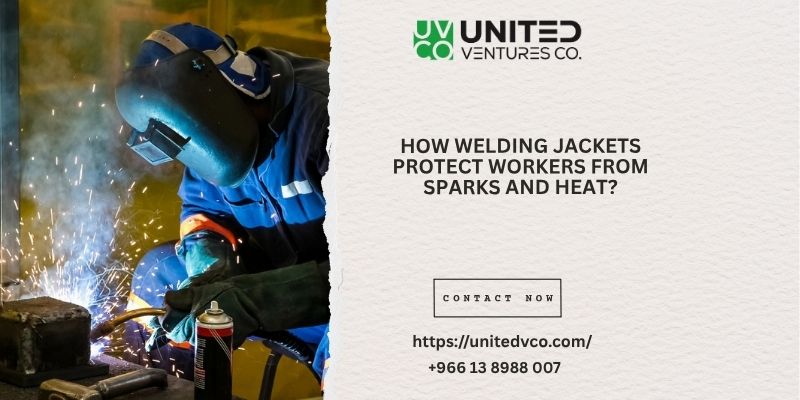
Welding creates several workplace hazards, including hot metal particles, intense radiant energy, flames, and contact with heated surfaces. According to the Occupational Safety and Health Administration (OSHA), these hazards can cause burns and other injuries when workers lack appropriate protective equipment. A properly selected Welding Jacket helps reduce exposure by covering the torso and arms with materials designed for the demands of hot work.
Why Are Welding Jackets Important for Workplace Safety?
Welding jackets are designed to protect exposed skin and ordinary clothing from hazards generated during welding, cutting, and related metalworking activities. Depending on their construction and certification, they can provide resistance to sparks, flame, heat, and molten-metal spatter.
Without appropriate protective clothing, a hot particle can land on a sleeve, enter an open pocket, or reach exposed skin. Ordinary clothing may ignite or melt when exposed to sufficient heat. Purpose-designed welding garments help reduce these risks when selected and used correctly.
Welding jackets are particularly useful in metal fabrication workshops, construction projects, shipyards, manufacturing plants, and industrial maintenance facilities. The level of protection required depends on the welding process, work position, material being handled, and potential exposure to sparks and heat.
How Welding Jackets Protect Workers from Sparks?
Sparks and small particles of hot metal are common during welding. These particles can burn skin, damage ordinary clothing, or ignite combustible materials. A welding jacket creates a protective outer layer that helps prevent sparks from directly contacting the worker’s body.
1. Creating a Barrier Against Hot Particles
Specialized welding garments use suitable fabrics and construction methods to resist ignition and reduce the likelihood that hot particles will penetrate the clothing. Leather and purpose-designed flame-resistant fabrics are common options, although their suitability depends on the task and the manufacturer’s specifications.
2. Reducing the Risk of Clothing Ignition
Flame-resistant materials are designed to resist ignition or limit flame propagation under specified conditions. However, flame resistance does not mean a garment is fireproof. Prolonged exposure to flames, intense heat, or molten metal can still damage clothing and cause injuries.
3. Preventing Sparks from Entering Openings
Jackets with suitable collars, secure closures, and properly fitted cuffs help reduce openings where sparks could reach the skin. Workers should ensure that the jacket overlaps their trousers when bending, reaching, or stretching. Pockets should be designed or covered to reduce the chance of collecting hot particles.
How Welding Jackets Help Protect Against Heat?
Welding jackets can reduce exposure to radiant heat and brief contact with hot particles or surfaces, depending on the garment’s protective properties. Their performance varies by material, thickness, construction, and the conditions in which they are used.
Protection from Radiant Heat
Welding arcs produce intense radiation, including ultraviolet and infrared energy. Protective clothing helps cover the skin that is not protected by a welding helmet or other equipment. Workers must also use appropriate helmets, eye protection, gloves, and head coverings because a jacket alone cannot protect every exposed area.
Protection from Hot Metal Spatter
Molten-metal droplets can land on the chest, shoulders, arms, or sleeves during welding. Suitable welding jackets help reduce direct exposure, but the garment must be appropriate for the type and intensity of spatter expected. Jobs involving heavy spatter or overhead welding may require additional leather sleeves, aprons, capes, or other specialized protection.
Reducing the Risk of Minor Contact Burns
Protective layers can reduce the likelihood of skin contacting hot particles and some heated surfaces. Nevertheless, a welding jacket should never be treated as permission to handle hot metal without the correct tools or to work unnecessarily close to heat sources.
Choosing the Right Welding Jacket Material
The best material depends on the welding process, the expected hazards, the working environment, and the required safety standard. Consider these common options when evaluating protective clothing.
- Leather: Often suitable for demanding welding tasks where resistance to sparks and spatter is important. Leather can be heavy and less breathable, so comfort and heat stress must be considered.
- Flame-resistant cotton: Can offer a lighter, more comfortable option when the garment is specifically designed and rated for the intended welding hazards. Ordinary cotton should not automatically be assumed to provide adequate protection.
- Specialized flame-resistant fabrics: Certain treated or inherently flame-resistant materials are designed to meet specific protective performance requirements. Check the garment’s label and documentation rather than relying on the fabric name alone.
For higher-risk applications, review the garment’s certification and suitability for the task. EN ISO 11611 is a relevant European standard for protective clothing used in welding and allied processes. Requirements vary by country, so employers should confirm which standards and regulations apply to their workplace.
What Features Should You Check Before Buying?
Selecting a welding jacket requires more than choosing a durable fabric. The garment should provide suitable protection without restricting movement or encouraging unsafe work practices.
- Protective rating: Confirm the manufacturer’s stated protection and relevant certification for the intended task.
- Fit and coverage: Choose a jacket that covers the torso, arms, wrists, and neck area appropriately while allowing safe movement.
- Secure closures: Look for designs that minimize exposed openings and prevent sparks from entering the garment.
- Comfort and breathability: Consider the work environment, temperature, duration of use, and potential heat stress.
- Durability: Inspect stitching, fasteners, cuffs, and reinforced areas for reliable construction.
- Compatibility: Ensure the jacket works with the worker’s gloves, helmet, trousers, apron, and other required PPE.
Best Practices for Wearing and Maintaining Welding Jackets
Even a well-designed jacket cannot provide reliable protection if it is damaged, contaminated, or worn incorrectly. Workers should inspect protective clothing before use and remove damaged garments from service until they can be properly repaired or replaced.
Keep the jacket clean and free from oil, grease, solvents, and other combustible substances. Follow the manufacturer’s washing instructions because unsuitable detergents, bleach, fabric softeners, or incorrect cleaning methods may damage protective properties. Repair work should use appropriate materials and methods approved for the garment.
Workers should also close the jacket properly, avoid rolled-up sleeves, and wear suitable protective trousers and gloves. Synthetic clothing worn underneath can melt under heat, so base layers should be selected according to safety guidance. A workplace risk assessment should determine whether additional protection is required for the neck, shoulders, legs, hands, and feet.
Building a Safer Industrial Workplace
Protective clothing is only one part of an effective welding safety program. Employers should provide training, appropriate ventilation, fire prevention measures, safe work procedures, and the correct equipment for each task. Welding fumes require separate controls, while eye and face protection must address the intense light and flying particles associated with welding.
Businesses seeking dependable Industrial Equipment Solutions should consider how protective clothing fits into their wider workplace safety requirements. Choosing suitable PPE, training employees to use it correctly, and maintaining equipment can help organizations build safer and more consistent working practices.
Frequently Asked Questions
1. What is the main purpose of a welding jacket?
A welding jacket helps protect the torso and arms from sparks, hot metal spatter, flames, and radiant heat. Its actual level of protection depends on the material, design, condition, and suitability for the task.
2. Are all welding jackets fireproof?
No. Welding jackets are not universally fireproof. Flame-resistant garments are designed to resist ignition or limit flame spread under specified conditions, but extreme or prolonged heat exposure can still cause damage and burns.
3. Which material is best for a welding jacket?
Leather and specialized flame-resistant fabrics can both be suitable, depending on the welding process and exposure risks. Compare protective ratings, comfort, durability, and manufacturer guidance before choosing a garment.
4. How often should a welding jacket be inspected?
Inspect the jacket before every use and after cleaning. Look for holes, tears, worn seams, damaged closures, contamination, and deterioration. Remove compromised garments from service and follow the manufacturer’s repair or replacement instructions.
5. Is a welding jacket enough to protect a worker?
No. A jacket must be combined with suitable eye and face protection, gloves, trousers, footwear, and other PPE identified by the workplace risk assessment. Ventilation, fire prevention, and safe welding procedures are also essential.
Final Thoughts
Welding jackets play an important role in reducing workers’ exposure to sparks, hot metal spatter, and radiant heat. Their effectiveness depends on choosing the right garment, ensuring proper coverage, maintaining its protective condition, and using it as part of a complete safety system.
For industrial businesses, investing in appropriate protective clothing is a practical step toward improving workplace safety. Review the hazards of each welding task, check relevant standards, and provide workers with equipment that matches their actual working conditions. Explore protective clothing options from United Ventures Co. to support your workplace PPE requirements.
Full Audio Version:- Click Here