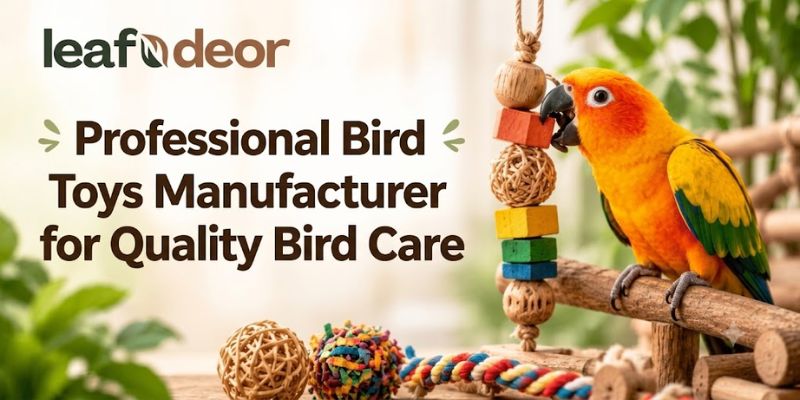

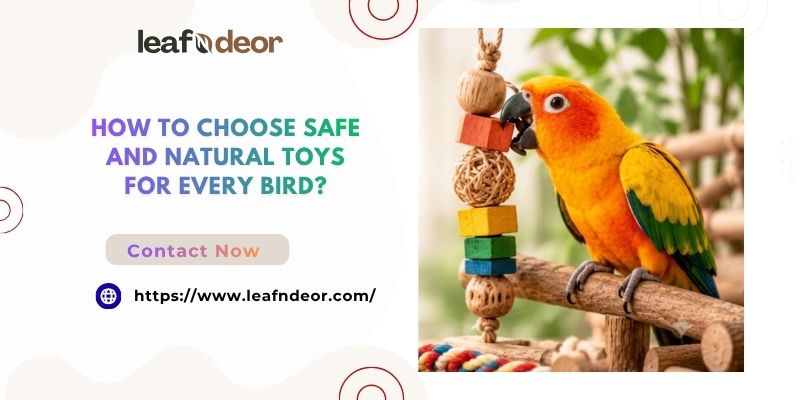
Choosing a bird toy might seem simple until you consider how differently a budgie, cockatiel, and macaw play. One may enjoy shredding paper, while another prefers chewing sturdy wooden blocks. The secret is finding toys that suit each bird’s size, strength, and natural behaviour. The right choice makes playtime more rewarding and helps reduce avoidable safety risks.
For pet retailers, breeders, and bird enthusiasts, working with a dependable natural bird toys supplier is an important step towards building a collection that balances enrichment, material quality, and practical usability. Natural-looking products alone are not enough; their construction and suitability matter just as much.
Why Natural Bird Toys Deserve Attention?
Birds are naturally curious. They investigate objects with their beaks, climb, pull, shred, and search for interesting things. In a home or aviary, suitable toys provide opportunities to practise these behaviours instead of leaving birds with little to explore.
The RSPCA Australia explains that enrichment helps captive birds engage in natural activities and supports their wellbeing. Its guidance highlights untreated wood, suitable cardboard, and carefully selected play materials while warning that some toys can introduce choking, entanglement, or ingestion hazards. Read its bird safety recommendations before choosing materials.
For this reason, natural bird toys can be a useful option when their materials are appropriate, clean, and free from harmful treatments. The important distinction is that natural does not automatically mean safe.
Choosing Toys for Different Bird Sizes
A toy that suits a small finch may be unsuitable for a powerful parrot. Size, beak strength, chewing habits, and the bird’s individual behaviour should guide every purchase.
Small birds such as budgies and finches
Small birds often enjoy lightweight shredding toys, appropriately sized swings, and simple foraging activities. Choose products that are easy to manipulate without tiny detachable parts, sharp edges, or openings that could trap toes or heads.
Medium-sized birds such as cockatiels and conures
These birds may enjoy a combination of chewable wood, paper-based toys, and interactive activities. Look for secure construction and materials that match the bird’s chewing strength. Monitor new toys to see whether the bird uses them as intended.
Large parrots such as macaws and cockatoos
Large parrots can dismantle unsuitable toys quickly. They generally need robust, appropriately sized designs that tolerate stronger beaks without exposing dangerous hardware or swallowable pieces. A toy marketed for parrots is not automatically suitable for every parrot species.
What to Check Before Buying Bird Toys?
Whether you are purchasing one toy for a companion bird or sourcing products for a retail business, inspect the details rather than relying on packaging claims.
- Material transparency: Ask whether wood is untreated and whether dyes, finishes, adhesives, and other components are suitable for birds.
- Secure construction: Check for loose fasteners, sharp edges, accessible hazardous metals, and parts that could break off.
- Correct proportions: Ensure the toy cannot create a choking, swallowing, or entrapment hazard for the intended bird.
- Chewing suitability: Match the toy’s strength and design to the bird’s beak size and destructive habits.
- Easy inspection: Prefer designs that allow owners to spot damage and remove worn components promptly.
Rope and fibre toys deserve particular care. Fraying strands may wrap around toes or be swallowed, so inspect them frequently and remove damaged products. When uncertain about a material or design, consult an avian veterinarian.
Why Retailers Should Source Thoughtfully?
For pet shops and distributors, variety is useful only when products meet the needs of the customers buying them. A carefully planned range can include chew toys, shredding toys, swings, and foraging accessories in sizes suited to different birds.
Working with a supplier offering natural bird toys wholesale options can help retailers compare product styles, ordering quantities, and available specifications. Before placing a bulk order, request clear material information and examine samples wherever possible.
It is also worth considering how complementary products fit into your catalogue. This guide on Why a Wide Range of Bird Accessories is Essential for Your Store’s Growth explores why a broader, relevant selection can help serve different customer needs.
Frequently Asked Questions
1. Are natural bird toys safe for all bird species?
No single toy is suitable for every bird. Safety depends on the materials, construction, size, beak strength, and individual chewing behaviour. Always choose species-appropriate products and supervise initial use.
2. Which materials are commonly used in natural bird toys?
Suitable products may use untreated wood, bird-safe paper, and other carefully selected components. Confirm that materials and finishes are appropriate, and avoid items with unknown treatments or hazardous hardware.
3. How often should bird toys be checked?
Inspect toys regularly and whenever you notice heavy chewing or damage. Remove broken parts, sharp edges, loose fibres, and components that could be swallowed or cause entanglement.
4. How can retailers choose a reliable natural bird toys supplier?
Look for clear material specifications, consistent product information, suitable size options, responsive communication, and a willingness to answer safety questions before bulk purchasing.
Final Thoughts
The best bird toys offer more than a colourful addition to a cage; they create opportunities to explore, chew, forage, and play. By matching each design to the bird’s size and behaviour, checking materials carefully, and sourcing thoughtfully, owners and retailers can make more informed choices. When it comes to bird enrichment, suitability and safety should always come before appearance or price.
Listen Here: Click Now