
Indian cuisine is known for its diverse pickle traditions, with every region offering distinctive ingredients, preparation methods, and flavours. Traditional Bengali pickles, commonly called achar, stand out for their balance of sweet, sour, tangy, and spicy notes. Made with seasonal fruits, mustard oil, and aromatic spices, these pickles reflect Bengal’s culinary heritage and love for flavourful accompaniments. If you want to explore regional varieties, you can Buy Bengali Pickles Online from Joynagar and discover familiar favourites from Bengali kitchens.
1. A Distinctive Balance of Flavours
One of the most recognisable features of Bengali pickles is their varied flavour profile. Depending on the fruit and recipe, an achar may be sweet, sour, spicy, or a combination of all three. This diversity makes Bengali pickles suitable for different meals and personal preferences.
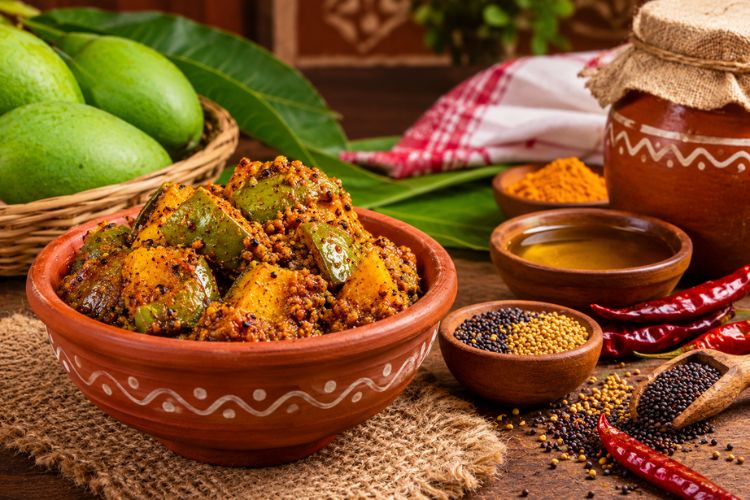
For example, kuler achar, made from Indian jujube fruit, is appreciated for its sweet-and-tangy taste. Tamarind pickle offers a sharper sourness, while raw mango pickle can deliver a combination of acidity, spice, and savoury richness. Sweet mango pickle provides a different experience, making it a popular choice for people who enjoy fruit-based condiments.
Unlike the assumption that every Indian pickle is intensely hot, Bengali varieties demonstrate that sweetness and tanginess can be just as important as chilli heat.
2. The Important Role of Mustard Oil
Mustard oil is a characteristic ingredient in many traditional Bengali pickle recipes. Its pungent aroma and bold taste contribute significantly to the overall flavour. Combined with salt and spices, it helps create the distinctive taste associated with several Bengali achars.
Other Indian regions use different oils and seasoning combinations according to local ingredients and culinary traditions. Some pickle styles emphasise sesame oil, while others use different oils or spice blends. These variations are not better or worse; they simply reflect regional preferences.
In Bengali mango pickle, mustard oil can complement the sharpness of raw mango and the warmth of spices. The resulting flavour is particularly appealing alongside simple meals, where a small portion of pickle can add considerable character.
3. Seasonal Fruits Create Regional Variety
Bengali pickle-making makes creative use of fruits that have distinctive seasonal flavours. Mango is widely enjoyed, but traditional Bengali achar is not limited to this familiar ingredient. Jujube, tamarind, Indian olive, and chalta, also known as elephant apple, are among the fruits used in different regional preparations.
Each ingredient contributes its own texture and taste. Jujube can provide a fruity sweetness, tamarind brings a pronounced sourness, and chalta offers a distinctive tangy flavour. These differences allow Bengali pickles to appeal to people who enjoy experimenting with regional foods.
Joynagar’s Bengali Achar collection includes varieties such as kuler achar, tamarind pickle, olive pickle, mango pickle, and chalta pickle. Exploring different types is an easy way to discover the diversity of Bengali flavours.
4. Traditional Preparation Methods
Traditional pickle-making often involves careful cleaning, cutting, seasoning, and drying of ingredients. Depending on the recipe, fruits may be mixed with salt and spices before being combined with oil or other ingredients. Some preparations are left to mature so that their flavours can develop over time.
Sun-drying is associated with several traditional Indian pickle-making practices because reducing excess moisture can help with preservation. However, the exact method varies by recipe, household, and product. Not every Bengali pickle is prepared in precisely the same way, and modern commercial methods may differ from home-style preparation.
Good hygiene, suitable containers, and proper storage remain important. Traditional methods should not automatically be assumed to make every pickle shelf-stable; storage instructions and product-specific guidance should always be followed.
5. How Bengali Pickles Differ from Other Indian Varieties?
India has an extraordinary range of pickles, and regional differences are influenced by local produce, climate, cooking habits, and personal taste.
- Bengali pickles: Many fruit-based varieties balance sweet, sour, and spicy flavours, with mustard oil playing an important role in numerous recipes.
- Gujarati pickles: Some well-known varieties, such as chundo, are recognised for their sweet-and-sour profile, while other regional achars offer different spice levels.
- South Indian pickles: Several varieties use bold seasoning and ingredients such as sesame oil, chilli, and regional spices, although recipes vary widely.
- North Indian pickles: Mango, lime, and mixed vegetable pickles are popular, with many preparations featuring robust spice blends and oil-based preservation.
These are broad culinary patterns rather than strict rules. Every region contains numerous recipes, and similar ingredients can produce very different results depending on preparation. Bengali pickles are distinctive because of their particular combination of fruit choices, flavour balance, and traditional seasoning—not because other regional pickles lack variety.
6. How Bengali Pickles Complement Everyday Meals?
A small serving of Bengali pickle can add contrast to a meal without requiring an elaborate side dish. Its tanginess can complement the mild flavour of rice, while sweeter varieties can provide a pleasant contrast to savoury preparations.
Try pairing Bengali achar with:
- Steamed rice and dal for a simple, traditional meal.
- Khichuri for an extra layer of tangy or sweet flavour.
- Luchi or paratha for a satisfying breakfast or snack.
- Homemade vegetarian meals when you want a bold accompaniment.
- Traditional Bengali dishes where a small portion of pickle adds variety to the plate.
Since different pickles have different salt, sugar, oil, and spice levels, choose the variety that complements the meal rather than overpowering it.
7. What to Check When Buying Bengali Pickles Online?
Buying Bengali pickles online makes it easier to explore regional varieties, especially when traditional products are not readily available nearby. Before choosing a product, review the ingredient list, flavour description, pack size, storage instructions, and use-by or best-before information.
Consider these practical points:
- Choose your preferred flavour: Decide whether you enjoy sweet, sour, spicy, or mixed flavour profiles.
- Review the ingredients: Check for mustard oil, spices, sweeteners, and potential allergens that matter to you.
- Check the packaging: Choose products with intact, properly sealed packaging.
- Follow storage guidance: Refrigerate after opening if the label instructs you to do so, and always use clean, dry utensils.
- Compare product details: Consider the quantity, price, ingredients, and storage requirements before ordering.
Joynagar offers a selection of traditional Bengali pickle varieties for customers interested in regional flavours. Browse the collection to compare available options and choose an achar that suits your taste and everyday meals.
Frequently Asked Questions
1. What makes Bengali pickles different from other Indian pickles?
Bengali pickles are known for their varied sweet, sour, tangy, and spicy flavours, the use of seasonal fruits, and the role of mustard oil in many recipes. Other Indian regions have their own distinctive ingredients and preparation styles.
2. What are some popular types of Bengali pickle?
Popular varieties include mango pickle, kuler achar made from jujube, tentuler achar made from tamarind, jolpai achar made from Indian olive, and chalta achar made from elephant apple.
3. Are all Bengali pickles spicy?
No. Some Bengali pickles are sweet or sweet-and-sour, while others are tangy or spicy. The flavour depends on the main ingredient, seasoning, and recipe.
4. What is the role of mustard oil in Bengali achar?
Mustard oil adds a distinctive pungent aroma and bold flavour to many traditional Bengali pickles. Its use varies by recipe, and not every pickle necessarily contains it.
5. How should Bengali pickles be stored?
Follow the storage instructions on the product label. Use clean, dry utensils, keep the container properly closed, and refrigerate after opening when instructed. Storage requirements vary by product.
6. Where can I buy Bengali pickles online?
You can explore Joynagar’s Bengali pickle collection online to discover options such as mango, jujube, tamarind, olive, and chalta pickles. Check the product details and availability before placing an order.
FINAL THOUGHTS
Traditional Bengali pickles offer a distinctive expression of Bengal’s culinary heritage through seasonal fruits, aromatic spices, mustard oil, and a balance of sweet, sour, and spicy flavours. Although Indian regions share a love for achar, each develops its own identity through local ingredients and cooking traditions.
Whether you prefer the sweetness of kuler achar, the tang of tamarind pickle, or the familiar flavour of mango achar, Bengali pickles can bring variety to everyday meals. Explore Joynagar’s collection to discover traditional Bengali flavours and choose a pickle that suits your taste.