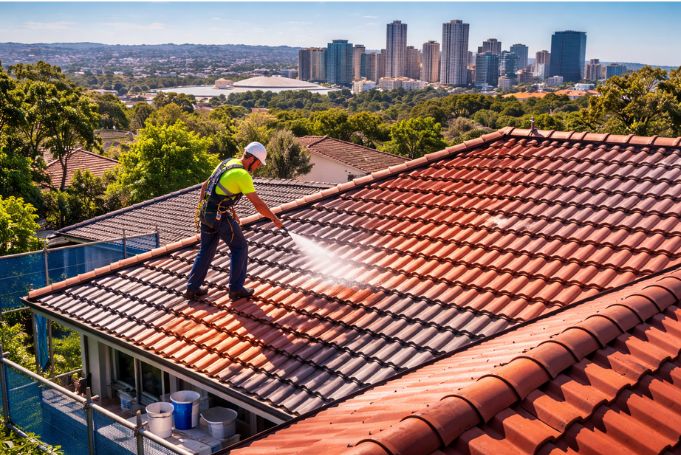


Your roof protects your home from rain, wind, heat and changing weather conditions. However, damaged tiles, deteriorating ridge caps, fading coatings and recurring leaks can gradually weaken that protection. Recognising these warning signs early helps Adelaide homeowners decide whether targeted repairs or professional restoration are necessary.
When several roofing problems appear together, arranging an inspection from a specialist offering Best Roof Restoration Adelaide services can help establish the roof’s actual condition before minor deterioration becomes more extensive.
Also Read: How to Create a Realistic Roofing Budget Without Missing Hidden Costs
1. Cracked, Slipped or Deteriorating Roof Tiles
Damaged roof tiles are among the most visible signs that your roof needs attention. Individual cracked or displaced tiles may result from weather exposure, accidental impact or natural deterioration. However, widespread cracking, uneven surfaces and repeated tile damage can indicate that the roofing system is ageing beyond isolated maintenance requirements.
Concrete tiles may also develop a weathered or porous-looking surface as their protective finish deteriorates. When several areas show similar damage, a professional assessment can establish whether replacement tiles and local repairs are sufficient or a broader restoration is appropriate.
For isolated tile problems, understanding the Tile Roof Repair Cost can help homeowners assess the appropriate repair option before committing to larger work.
2. Cracked Mortar and Deteriorating Ridge Caps
Ridge caps protect the joints running along the highest sections of a tiled roof. Their bedding and pointing help keep these components secure and reduce water entry through vulnerable joints.
Look for cracked mortar, gaps around ridge caps, loose sections or pointing that has started falling away. A small localised defect may need repointing, while deterioration along several ridge lines can suggest that more extensive rebedding and repointing is required.
Ignoring these problems can leave vulnerable roof junctions exposed to rain and wind-driven moisture.
3. Recurring Roof Leaks and Indoor Water Stains
Water stains on ceilings, damp patches around walls, dripping during rainfall or moisture in the roof space deserve prompt investigation. These symptoms may originate from damaged tiles, deteriorating ridge caps, faulty flashing, valleys or drainage problems.
One isolated leak does not automatically mean the entire roof needs restoration. However, leaks returning after previous repairs or appearing in different areas may indicate that several roofing components require attention.
Following Adelaide’s unusually wet winter in 2026, homeowners should pay attention to signs of water ingress. The Bureau of Meteorology recorded 294.4 mm of winter rainfall at Adelaide’s West Terrace station, 148% of its long-term average. This is useful weather context, not proof that an individual roof needs restoration.
Source: Bureau of Meteorology – Greater Adelaide Winter 2026.
4. Widespread Moss, Lichen and Roof Discolouration
Moss, lichen and persistent dark staining can make a roof look neglected. When growth spreads across large sections of the roof, it deserves closer attention, particularly when combined with damaged tiles, deteriorating coatings or blocked drainage areas.
However, discolouration alone is not conclusive evidence that restoration is needed. Sometimes professional cleaning is sufficient. The important question is whether the roof covering beneath the visible growth remains in good condition.
5. Rust, Peeling Coatings and Damage to Metal Roofing
Metal roofs also develop warning signs as their protective finishes and components age. Look for rust around fasteners, corrosion near sheet joints, deteriorating coatings and sections that appear loose or distorted.
Small areas of surface deterioration may be repairable, depending on their condition. Widespread corrosion, perforated sheets or recurring water entry require a more detailed assessment and may indicate that replacement is more appropriate than restoration.
6. Gutter Problems and Repeated Drainage Issues
Gutters and downpipes play an important role in moving rainwater safely away from the building. Frequent overflow, rust, loose connections and damaged sections can interfere with drainage and contribute to water-related problems around the roof and property.
Check for recurring blockages, standing water and signs of deterioration. Persistent drainage issues should be assessed alongside the roof covering, valleys and fascia rather than treated as completely separate problems.
Roof Repair, Restoration or Replacement: Which Is Appropriate?
Not every damaged roof requires complete restoration. The right solution depends on the extent of deterioration, the condition of the roofing materials and whether the underlying structure remains serviceable.
| Roof condition | Potentially suitable solution |
|---|---|
| One or two damaged tiles or a localised leak | Targeted repair |
| Widespread weathering, deteriorating coatings and damaged ridge pointing | Professional restoration assessment |
| Several recurring leaks and multiple deteriorating components | Detailed roof inspection |
| Severe structural damage or extensive material failure | Replacement or structural assessment |
A professional restoration may include cleaning, replacing damaged tiles, rebedding and repointing ridge caps, repairing flashings and valleys, and applying suitable protective finishes. The actual scope should be based on the roof’s material and condition.
Why Professional Roof Inspection Matters in Adelaide
Adelaide homes experience different roofing conditions across coastal, suburban and hills areas. Weather exposure, roof design, materials and previous maintenance can all influence how quickly individual components deteriorate.
Homeowners should begin by observing the roof from the ground rather than attempting to climb onto it. Older homes also require additional care: South Australian guidance recommends checking for potential asbestos in homes built before the mid-1980s before undertaking renovation or repair work. Suspected asbestos should not be disturbed; seek appropriate professional advice and licensed removal support where required.
Local Adelaide Roofers provides roof repairs, restoration, tile and metal roofing, ridge cap work and replacement services. With more than 15 years of experience, the company offers a range of Adelaide Roofing Services for residential properties.
Arrange a Roof Assessment Before Problems Progress
A worn-looking roof does not automatically need replacing, and a single damaged component does not necessarily justify full restoration. The most important step is understanding the overall condition of the roofing system.
If you have noticed recurring leaks, widespread tile deterioration, failing ridge caps or corrosion, arrange a professional inspection. Contact Local Adelaide Roofers to discuss your roof’s condition and obtain advice about the most suitable repair, restoration or replacement solution.
Frequently Asked Questions
What are the most common signs that an Adelaide roof needs restoration?
Common warning signs include widespread cracked or deteriorating tiles, loose ridge caps, failing roof coatings, extensive moss or lichen, recurring leaks and corrosion on metal roofing. A professional inspection determines whether restoration is appropriate.
Does one cracked roof tile mean I need full roof restoration?
No. One or two damaged tiles may only require targeted repairs. Restoration becomes more relevant when several components show deterioration across the roof.
Is roof restoration better than roof replacement?
It depends on the roof’s condition. Restoration may be suitable when the roof covering and underlying structure remain serviceable. Extensive structural damage, widespread corrosion or severe material deterioration may make replacement more appropriate.
Can roof leaks be a warning sign of restoration requirements?
Yes. Recurring leaks can indicate deterioration in tiles, ridge caps, flashings or other roof components. However, a single localised leak may only need a targeted repair.
Should I inspect my roof myself?
Homeowners can observe visible warning signs from the ground, but should avoid climbing onto the roof. A qualified roofing professional can inspect difficult-to-access areas and assess the extent of deterioration safely.
Also Read: Tips For Finding The Best Local Roofing Contractors
Blog Development Credits
This blog was a team effort fueled by smart ideas. Local Adelaide Roofers picked the topic. Most content was crafted using tools like ChatGPT and Google Gemini.