
Punjab has quietly become one of India’s most dependable textile manufacturing hubs for international buyers. From sustainable fabrics to high-volume exports, the region now supplies materials to fashion brands, wholesalers, and industrial clients across multiple continents. What’s interesting, honestly, is how Punjab blends traditional textile craftsmanship with modern production standards without losing its manufacturing identity.
Today, many overseas businesses actively search for a reliable Textile Exporter Punjab because consistency matters just as much as pricing. Global buyers no longer want suppliers who simply deliver products—they prefer long-term manufacturing partners who understand timelines, fabric quality, sustainability expectations, and evolving market trends.
Also Read: Which Fabric is Highly Sustainable and Future of Fashion
Why Punjab Has Become a Textile Export Powerhouse
Punjab’s textile sector didn’t grow overnight. Decades of industrial development, skilled labor availability, and strong supply-chain infrastructure have helped the region earn trust in international markets. Cities across Punjab have built deep expertise in spinning, weaving, dyeing, and fabric finishing.
According to export-related updates published by the Ministry of Textiles, Government of India, India’s textile industry continues contributing significantly to exports and employment. Punjab remains one of the major contributors due to its integrated manufacturing ecosystem.
- Strong raw material access: Cotton and blended yarn sourcing is easier due to established supplier networks.
- Experienced workforce: Skilled textile workers improve consistency in production quality.
- Export-focused manufacturing: Many factories already meet international compliance and packaging standards.
Oddly enough, global buyers often value communication speed almost as much as fabric quality. Punjab-based exporters have improved considerably in that area over the last decade.
The Shift Toward Sustainable Textile Manufacturing
The global textile industry is changing rapidly. Buyers from Europe, the Middle East, and North America increasingly ask questions about eco-friendly production methods, recycled materials, and ethical sourcing.
Eco-Conscious Fabrics Are No Longer Optional
Sustainability has moved beyond being a marketing trend. International brands now expect suppliers to reduce waste, improve water management, and use environmentally responsible materials whenever possible.
This growing demand has encouraged many Organic Fabric Suppliers in India to invest in cleaner manufacturing techniques, recycled fibers, and organic cotton blends that align with global sourcing expectations.
Research fromThe World Bank has repeatedly highlighted the environmental impact of textile manufacturing worldwide, pushing industries toward more sustainable production models.
Technology Is Reshaping Fabric Production
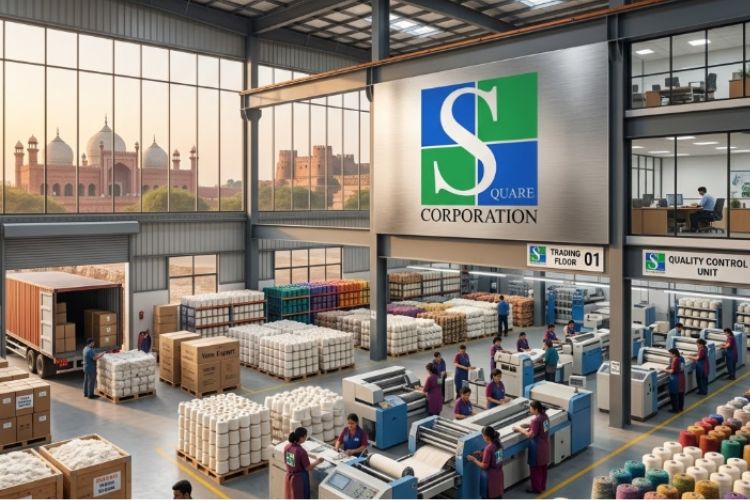
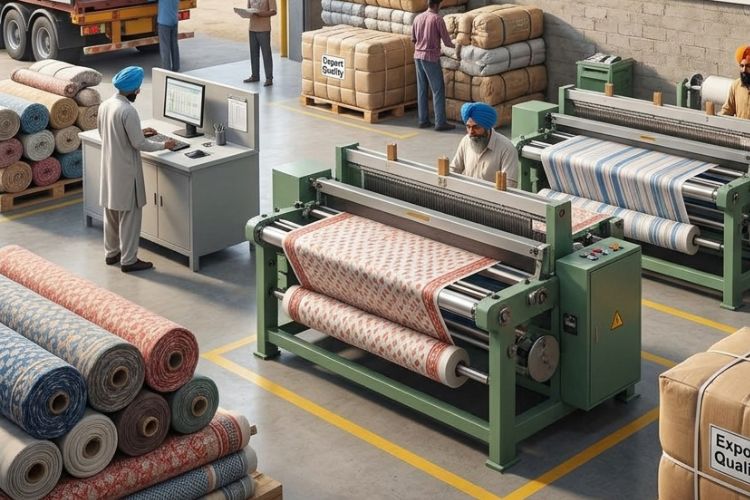
Modern textile exporters in Punjab are also adopting advanced machinery for precision weaving, digital printing, and automated quality inspection. These upgrades help reduce production errors while improving delivery timelines.
Frankly, buyers notice the difference. Faster turnaround and consistent finishing create trust, especially in competitive export markets where delays can affect entire retail seasons.
What International Buyers Usually Look For
Global sourcing decisions involve far more than pricing. Buyers evaluate reliability, communication, certifications, and production flexibility before finalizing suppliers.
- Consistent fabric quality: Export clients expect every shipment to match approved samples accurately.
- Scalable production: Reliable exporters should handle both small custom orders and large commercial volumes.
- Timely delivery: International logistics schedules leave very little room for manufacturing delays.
- Compliance standards: Certifications related to sustainability and product safety increasingly influence purchasing decisions.
In many ways, textile exporting today feels less like traditional manufacturing and more like relationship management backed by operational efficiency.
Popular Textile Categories Exported From Punjab
Punjab-based exporters serve multiple industries rather than focusing on only one fabric category. That flexibility helps the region remain competitive globally.
- Cotton fabrics: Widely used in apparel, home furnishings, and uniforms.
- Recycled polyester textiles: Increasingly popular among eco-conscious brands.
- Blended fabrics: Preferred for durability and cost efficiency.
- Industrial textiles: Used in automotive, hospitality, and technical applications.
The rise of sustainable textile manufacturing has also expanded demand for eco-friendly yarn suppliers and recycled fabric exporters across international retail markets.
How Punjab Competes in Global Markets
Competition in textile exports is intense. Manufacturers from Bangladesh, Vietnam, Turkey, and China constantly compete for international orders. Yet Punjab continues holding its ground because of adaptability and product diversity.
According to data shared by India Brand Equity Foundation (IBEF), India’s textile sector remains one of the country’s strongest industrial segments due to rising export demand and manufacturing capabilities.
Punjab exporters, particularly those investing in quality control and sustainable production, are gradually building stronger reputations with overseas clients who value long-term consistency over short-term pricing advantages.
Frequently Asked Questions
Why is Punjab known for textile exports?
Punjab has strong manufacturing infrastructure, skilled textile workers, and established supply chains that support large-scale domestic and international textile production.
What fabrics are commonly exported from Punjab?
Punjab exports cotton fabrics, recycled polyester textiles, blended materials, industrial fabrics, and sustainable textile products for global buyers.
Are sustainable textiles in demand globally?
Yes. International fashion and retail brands increasingly prefer eco-friendly fabrics, recycled fibers, and ethically manufactured textile products.
How do exporters maintain fabric quality for international markets?
Most professional exporters use advanced machinery, strict quality inspections, and compliance testing to ensure consistency in every shipment.
Also Read: Affordable Recycled Cotton Yarn Manufacturers List
Final Thoughts
Punjab’s textile industry continues evolving with changing global expectations. From sustainable fabric production to export-ready manufacturing systems, the region has positioned itself as a reliable sourcing destination for international buyers. In an industry where trust, consistency, and adaptability matter enormously, Punjab’s textile exporters are steadily strengthening their global presence.
Blog development Credits:
This article was thoughtfully developed by Square Corporation, created with support from AI research tools including ChatGPT, Gemini, and Copilot, then refined further through editorial review and SEO enhancement by Square Corporation.