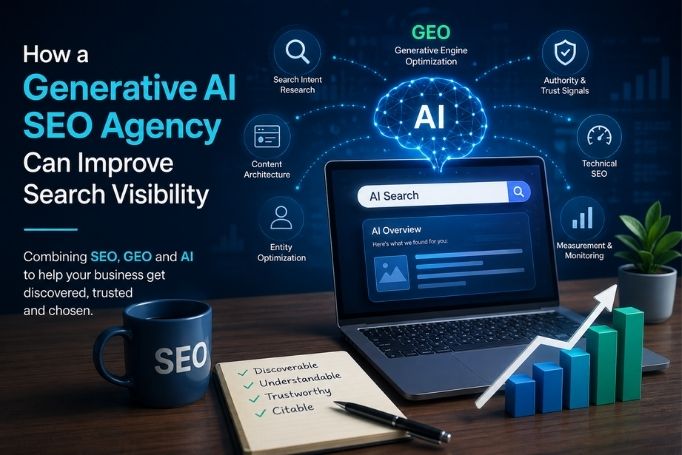


Search visibility used to be fairly straightforward: rank higher, earn clicks, win traffic. But AI-powered discovery has changed that rhythm completely. Today, brands are being evaluated not only by keywords, but by experience signals, trust layers, and contextual relevance. Businesses working with an SEO Agency in Faridabad are already noticing that AI rankings behave more like recommendation engines than traditional search pages.
That shift matters. AI systems now summarize, compare, and recommend brands directly inside conversational interfaces. In many cases, users never even reach the website. The question is no longer “Where do we rank?” but “How consistently does AI trust our digital experience?” That’s exactly where AIEO performance auditing enters the conversation.
What Is an AIEO Performance Audit?
AIEO, or AI Experience Optimization, focuses on how AI systems interpret the credibility, usability, and consistency of a brand across digital touchpoints. An audit evaluates whether your content and user experience send the right trust signals to AI-driven platforms.
Think of it like this: traditional SEO optimized pages for crawlers, while AIEO optimizes digital experiences for machine interpretation. The difference sounds subtle, but it changes everything from content structure to engagement tracking.
The Signals AI Systems Notice Most
- Behavior consistency: Pages with low bounce rates and meaningful engagement often indicate stronger user satisfaction.
- Authority patterns: Mentions across reliable publications, communities, and expert-driven platforms strengthen AI confidence.
- Semantic clarity: Structured content, FAQ formatting, and contextual relationships help AI models understand intent faster.
According to Google’s Helpful Content guidelines, content should prioritize people-first experiences instead of search manipulation. That recommendation increasingly aligns with how AI engines determine reliable answers.
Why Traditional Metrics Are No Longer Enough
For years, marketers leaned heavily on impressions, backlinks, and keyword rankings. Those metrics still matter, honestly, but they don’t fully explain AI visibility anymore. A page ranking fifth on Google could still become the preferred AI citation if its experience signals appear stronger and more trustworthy.
This is why many brands now combine technical SEO with conversational search optimization, semantic search mapping, and entity-based content modeling.
Metrics That Deserve More Attention
- Interaction depth: How long users engage with educational sections, videos, or interactive tools.
- Cross-platform consistency: Whether messaging remains aligned across websites, profiles, and external mentions.
- AI citation frequency: How often your brand appears in AI-generated recommendations or summaries.
Teams partnering with an SEO Expert In India are increasingly building reporting systems around these behavioral indicators instead of relying solely on ranking reports.
Experience Signals Are Becoming Ranking Signals
One surprising trend in AI search ecosystems is how heavily user satisfaction influences visibility. If visitors quickly abandon pages, struggle with navigation, or encounter intrusive layouts, AI systems may interpret the experience as low quality.
It’s similar to visiting a physical store. You might have arrived because of a flashy advertisement, but if the store feels chaotic, confusing, or slow, trust disappears almost instantly.
Core Experience Areas to Audit
- Page speed optimization: Slow-loading experiences reduce engagement and weaken trust indicators.
- Content accessibility: Clear headings, concise explanations, and structured formatting improve readability for both users and AI systems.
- Mobile responsiveness: Mobile-first experiences remain essential as conversational searches increasingly happen on smartphones.
Research from web.dev highlights that performance-focused experiences improve engagement and usability metrics significantly. These signals now influence AI interpretation layers as well.
The Rise of Semantic Search Auditing
AIEO audits go deeper than checking metadata or broken links. They analyze how concepts connect across your website. In semantic search environments, AI models care less about exact-match keywords and more about topical relationships.
For example, a page about digital branding should naturally connect with topics like customer trust, AI search visibility, structured data, and user behavior analytics. That interconnected context helps AI engines understand subject authority.
What Smart Brands Are Doing Differently
Forward-thinking businesses are beginning to:
- Create content clusters instead of isolated blogs
- Use schema markup consistently across pages
- Strengthen topical authority with expert-led insights
- Monitor AI-generated brand mentions regularly
Interestingly, many AI visibility issues don’t come from weak content. They come from fragmented content ecosystems where information lacks continuity or context.
Human Experience Still Matters Most
There’s a temptation right now to optimize exclusively for AI systems. That’s risky. AI platforms are increasingly designed to mimic human trust behavior, which means genuine user satisfaction remains the foundation.
A fast website alone won’t guarantee visibility. Neither will perfect schema markup. But when technical performance, content depth, semantic relevance, and user trust align together, AI systems tend to reward those brands naturally.
Frequently Asked Questions
What does AIEO stand for?
AIEO stands for AI Experience Optimization. It focuses on improving how AI systems interpret website quality, credibility, and user satisfaction signals.
How is AIEO different from traditional SEO?
Traditional SEO emphasizes rankings and keywords, while AIEO focuses on experience signals, semantic clarity, engagement behavior, and AI-driven discoverability.
Why are experience signals important in AI rankings?
AI systems increasingly evaluate user satisfaction indicators like engagement, accessibility, page speed, and trustworthiness to determine which brands deserve visibility.
Can small businesses benefit from AI experience optimization?
Absolutely. Smaller brands with clear expertise, strong user experience, and structured content can compete effectively in AI-driven search environments.
Final Thoughts
The future of search is becoming less about isolated rankings and more about holistic digital experiences. Brands that monitor trust, engagement, semantic clarity, and user satisfaction together will likely dominate AI visibility over the next few years. AIEO performance auditing is no longer experimental; it’s quickly becoming a competitive necessity.
Blog Development Credits:
This article was envisioned by Amlan Maiti, developed through advanced AI-assisted research tools, and refined with strategic SEO improvements by Digital Piloto.