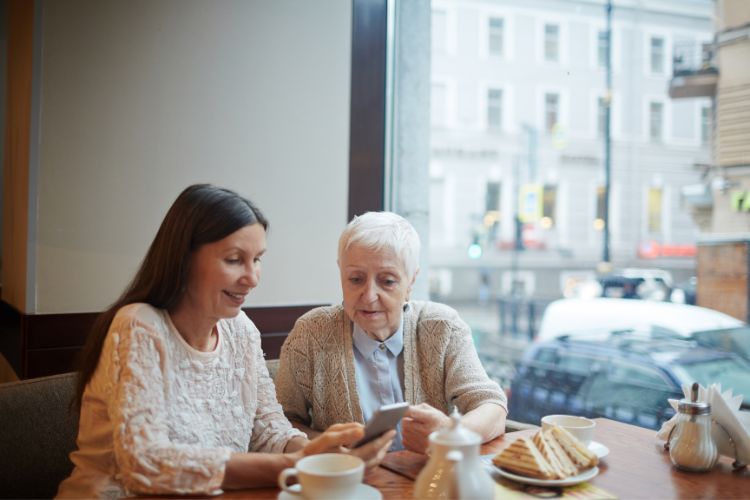


Aging gracefully means maintaining independence, comfort, dignity, and a meaningful quality of life while growing older. For many seniors, remaining in familiar surroundings provides emotional security and allows them to continue enjoying their daily routines. With proper planning, healthy habits, family involvement, and professional assistance, older adults can experience a more comfortable and fulfilling life at home. Families exploring Home Care Services San Jose can also consider how personalized support helps seniors maintain independence while receiving assistance with everyday needs.
Growing older naturally brings changes in physical strength, mobility, memory, and overall health. However, these changes do not mean seniors must give up their preferred lifestyles. A supportive home environment and consistent care can make everyday activities easier, encourage social engagement, and help older adults feel confident about their abilities.
Understanding the Importance of Aging Gracefully at Home
Aging in place refers to the ability of older adults to remain in their own homes safely and comfortably as their needs change. According to the National Institute on Aging, successful aging at home requires thoughtful planning around personal care, transportation, household responsibilities, healthcare, and home safety.
Remaining in a familiar environment can help seniors preserve established routines, maintain relationships with neighbors, and stay connected with their communities. It also allows families to provide emotional support while respecting their loved ones’ preferences and independence.
However, aging at home should not mean managing every responsibility without assistance. Recognizing when additional support is needed is an important part of maintaining long-term well-being.
Creating a Safe and Comfortable Living Environment
Home safety is one of the most important factors in helping seniors age gracefully. Changes in balance, eyesight, and muscle strength can increase the likelihood of accidents. Small modifications can make living spaces more accessible and reduce unnecessary risks.
- Improve lighting: Ensure hallways, staircases, bedrooms, and bathrooms have sufficient lighting to improve visibility.
- Remove tripping hazards: Secure loose carpets, eliminate unnecessary clutter, and keep frequently used pathways clear.
- Install support features: Consider grab bars near toilets and showers, sturdy handrails, and nonslip bathroom surfaces.
- Arrange essential belongings: Keep medications, frequently used kitchen items, and personal necessities within comfortable reach.
- Improve accessibility: Consider ramps, supportive seating, and mobility-friendly furniture when necessary.
The Centers for Disease Control and Prevention recommends discussing fall risks with healthcare professionals, reviewing medications that may cause dizziness, and improving household safety. These preventive measures can help seniors remain more confident when moving around their homes.
Encouraging Physical Activity and Healthy Daily Habits
Regular physical activity supports strength, flexibility, balance, and mobility. Seniors do not necessarily need demanding workouts to remain active. Simple activities that match their physical abilities can contribute to better everyday functioning.
Walking, gentle stretching, chair exercises, gardening, and medically appropriate balance activities can become part of a regular routine. The CDC recommends that adults aged 65 and older aim for 150 minutes of moderate-intensity aerobic activity weekly, muscle-strengthening activities on at least two days, and activities that improve balance. These recommendations should be adapted according to individual health conditions and abilities.
Nutrition and hydration are equally important. Balanced meals containing vegetables, fruits, whole grains, protein, and other essential nutrients support overall health. Seniors should also maintain appropriate fluid intake and discuss specific dietary requirements with their healthcare providers.
Supporting Emotional Health and Social Connections
Emotional well-being plays a significant role in healthy aging. Older adults may experience loneliness when family members live far away, friends become less accessible, or mobility limitations make social activities difficult.
Regular conversations, family visits, community activities, and meaningful hobbies can help reduce feelings of isolation. Families can encourage seniors to participate in activities they genuinely enjoy, such as reading, gardening, music, cooking, or spending time with friends.
Technology can also help maintain relationships. Video calls, messaging applications, and online community groups provide additional opportunities for seniors to communicate with loved ones when in-person visits are difficult.
Caregivers should pay attention to changes in mood, withdrawal, or reduced interest in familiar activities. Persistent emotional or behavioral changes deserve appropriate professional attention rather than being automatically attributed to aging.
Maintaining Medical Care and Managing Chronic Conditions
Regular healthcare appointments help identify potential concerns before they become more difficult to manage. Seniors living with diabetes, arthritis, heart conditions, mobility limitations, or other chronic illnesses may require consistent monitoring and individualized care plans.
Families can support healthcare routines by helping organize appointments, maintaining updated medication lists, arranging transportation, and communicating relevant changes to healthcare professionals.
Medication management is particularly important because taking incorrect doses or missing prescribed medicines can create additional health risks. A family member or qualified professional can help establish reminders and organize medications according to instructions from the prescribing healthcare provider.
Preventive screenings, recommended vaccinations, vision examinations, and appropriate follow-up appointments should also remain part of a senior’s healthcare routine.
How Professional Home Care Supports Independent Living?
As daily responsibilities become more challenging, professional home care can provide valuable assistance without requiring seniors to leave their familiar surroundings. Depending on individual needs and the agreed care arrangement, caregivers may help with personal routines, household activities, companionship, meal preparation, and transportation.
Professional support can also provide families with greater confidence that their loved ones have assistance with everyday responsibilities. Instead of managing every caregiving task independently, family members can share responsibilities with trained caregivers and spend more meaningful time together.
At Boundless Care Inc., the focus is on providing compassionate support that respects individual needs and personal dignity. Founded in 2006 and licensed by the California Department of Social Services, the organization offers home care, transportation services, and specialized consulting. Its nurses and caregivers bring more than 30 years of combined healthcare experience across hospitals, long-term care, and geriatric consulting.
Families looking for Senior Care in Santa Clara can explore appropriate support arrangements based on their loved one’s circumstances. The right assistance can make daily routines more manageable while helping older adults preserve their independence.
Helping Family Caregivers Maintain a Healthy Balance
Family caregivers often manage professional responsibilities, household activities, and the ongoing needs of aging relatives. Although providing care can be rewarding, handling every responsibility without sufficient rest may lead to physical exhaustion and emotional stress.
Caregivers should recognize their own limitations and make time for personal well-being. Sharing responsibilities with relatives, accepting help from friends, and arranging professional respite support can create a more sustainable caregiving routine.
The Visiting Angels article on caregiver self-care highlights the importance of realistic expectations, enjoying simple activities, accepting assistance, and making time for personal breaks. These ideas reinforce an important principle: supporting an older adult effectively also requires looking after the people providing care.
Frequently Asked Questions
1. What does it mean to age gracefully at home?
Aging gracefully at home means maintaining independence, comfort, dignity, and emotional well-being while living in familiar surroundings. It involves healthy habits, preventive healthcare, home safety improvements, and appropriate assistance when needed.
2. How can families make homes safer for older adults?
Families can improve lighting, remove loose rugs, clear walking pathways, install bathroom grab bars, and add handrails to staircases. Regularly reviewing the home environment helps address changing mobility and accessibility requirements.
3. Why is social interaction important for seniors?
Social interaction supports emotional well-being and helps older adults maintain meaningful relationships. Regular family visits, conversations, hobbies, and community activities can reduce loneliness and encourage a more active lifestyle.
4. What activities help older adults stay physically active?
Walking, gentle stretching, chair exercises, gardening, and suitable balance activities can help seniors maintain mobility and strength. Activities should always be selected according to individual abilities and healthcare recommendations.
5. When should families consider professional home care?
Families may consider professional home care when seniors experience difficulty managing personal routines, household activities, transportation, or companionship needs. Support can be adjusted according to changing circumstances.
6. Can professional caregivers help seniors maintain independence?
Yes. Caregivers can assist with everyday responsibilities while encouraging seniors to participate in activities they can safely manage themselves. This balanced approach supports dignity, confidence, and independence.
Final Thoughts
Helping older adults age gracefully at home requires more than meeting their basic daily needs. It involves creating a safe environment, encouraging healthy routines, maintaining social connections, supporting emotional well-being, and ensuring access to appropriate healthcare and assistance.
Every senior has different preferences, abilities, and care requirements. Families should regularly evaluate these needs and make thoughtful adjustments as circumstances change. With compassionate family involvement and reliable professional support, older adults can continue enjoying familiar surroundings while maintaining comfort and dignity.
Boundless Care Inc. believes that quality care is more than a service; it is a promise. Through personalized home care, transportation assistance, and a commitment to respectful support, families can take meaningful steps toward helping their loved ones enjoy a safer and more fulfilling life at home.
Full Audio Version:- Click Here