

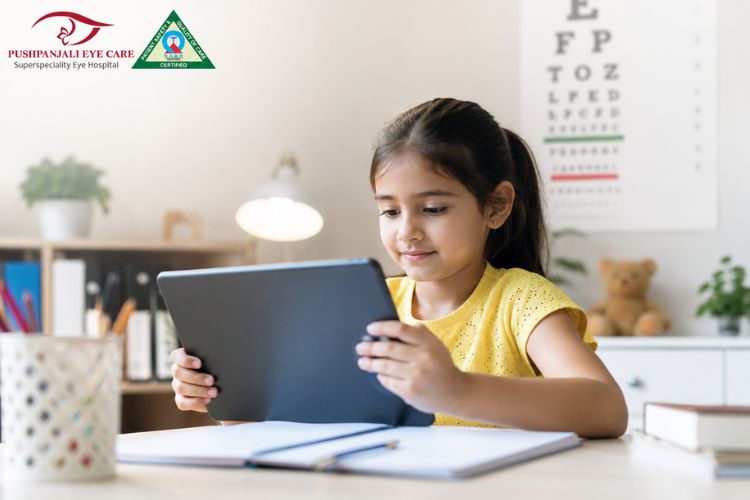
Pushpanjali Eye Care has seen a noticeable rise in parents seeking help for children struggling with eye strain, headaches, and blurry vision after long hours on screens. Tablets, smartphones, online classes, and gaming are now woven into daily life, but many families still wonder: how much screen time is too much? More importantly, how can parents protect their child’s eyesight without banning technology altogether?
That’s where guidance from a trusted Best Eye Specialist in Kolkata becomes valuable. Children’s eyes are still developing, and digital habits formed early can shape long-term vision health. The good news? A few practical changes at home can make a surprisingly big difference.
Why Children’s Eyes Are More Sensitive to Screens
Adults often forget that children blink less when they stare at screens. Less blinking means drier eyes, irritation, and fatigue. Kids also tend to hold devices much closer to their faces, which puts extra strain on focusing muscles.
According to the American Academy of Ophthalmology, excessive screen exposure may contribute to digital eye strain and worsening myopia in children. Studies from AAO.org and NEI.NIH.gov suggest that outdoor activity and healthy screen habits can help reduce visual stress.
Frankly, many parents notice the signs only after school performance or sleep patterns begin to change. A child rubbing their eyes constantly or sitting unusually close to the television may already be experiencing discomfort.
Common Signs of Digital Eye Strain in Kids
Children rarely explain vision problems clearly. Instead, they show subtle behavioral changes. Watch for these warning signs:
- Frequent headaches after screen use
- Watery or dry eyes
- Difficulty concentrating during reading
- Squinting while watching TV
- Holding devices very close to the face
- Complaints of blurry vision
- Increased sensitivity to light
Parents sometimes mistake these symptoms for tiredness or lack of attention. In reality, the eyes may simply be overworked.
Simple Everyday Habits That Protect Vision
1. Follow the 20-20-20 Rule
Eye specialists often recommend a simple habit: every 20 minutes, children should look at something 20 feet away for at least 20 seconds. It sounds almost too simple, but it genuinely helps relax focusing muscles.
2. Encourage Outdoor Play
Natural daylight supports healthier eye development. Research from AAO.org indicates that children who spend more time outdoors may have a lower risk of developing progressive myopia.
Even one hour of outdoor play daily can help balance long indoor study sessions.
3. Improve Lighting at Home
Using screens in dark rooms increases visual stress. Keep study spaces evenly lit and reduce glare from windows or harsh overhead lights.
4. Maintain Proper Screen Distance
A good rule is to keep digital devices at least an arm’s length away. Tablets placed too close force the eyes to work harder than necessary.
Nutrition Also Plays a Role in Eye Health
Many people associate healthy eating with physical growth, but nutrition matters for eyesight too. Foods rich in Vitamin A, omega-3 fatty acids, and antioxidants support retinal health and overall visual development.
Parents can include:
- Carrots and sweet potatoes
- Spinach and leafy greens
- Eggs and fish
- Citrus fruits
- Nuts and seeds
For children with hereditary eye conditions or increasing eye pressure concerns, consulting a qualified Glaucoma Specialist in Kolkata can help detect issues early before they affect long-term vision.
When Should Parents Schedule an Eye Checkup?
Many eye problems in children develop quietly. A child may adapt to blurry vision without realizing anything is wrong. That’s why routine eye exams matter, even if there are no obvious complaints.
Experts generally recommend eye screenings before school age and regular follow-ups during school years, especially for children heavily exposed to digital devices.
In some cases, retinal concerns linked to diabetes, genetics, or injury may require evaluation by a Retina Specialist in Kolkata. Early detection often prevents more complicated treatment later.
Healthy Digital Rules Families Can Follow
Technology itself is not the enemy. The real challenge is balance. Families who create consistent digital boundaries usually notice fewer complaints of eye discomfort.
- Keep screens away during meals
- Avoid device use at least one hour before bedtime
- Use larger screens instead of small phones when possible
- Encourage regular blinking during screen time
- Schedule device-free family activities weekly
Interestingly, children often cooperate better when parents follow the same rules themselves.
Also Read: How Screen Time Is Affecting Your Eyes: Advice from the Best Eye Specialist in Kolkata
FAQs
Q. Can too much screen time damage a child’s eyesight permanently?
A. Excessive screen use may not directly cause permanent blindness, but it can contribute to eye strain, dryness, sleep disruption, and worsening myopia if healthy habits are ignored.
Q. How much screen time is considered safe for children?
A. Screen time recommendations vary by age, but regular breaks, outdoor activity, and supervised usage are generally considered more important than strict hourly limits alone.
Q. What is the best way to reduce eye strain during online classes?
A. Maintaining proper posture, increasing room lighting, using larger screens, and following the 20-20-20 rule can significantly reduce discomfort.
Q. When should parents consult an eye specialist?
A. If a child experiences headaches, squinting, blurry vision, excessive blinking, or difficulty focusing, an eye examination should be scheduled promptly.
Final Thoughts
Children today are growing up in a world filled with digital screens, and realistically, technology is here to stay. But protecting young eyes does not require extreme measures. Small daily habits, regular eye checkups, balanced nutrition, and mindful screen use can go a long way in preserving healthy vision for years ahead. Sometimes, prevention really is the simplest form of care.
Blog Development Credit
This blog was developed with research assistance and content insights inspired by advanced AI platforms including ChatGPT and Google Gemini, helping ensure relevant, reader-focused, and current information. The editorial refinement, SEO optimization, and final publication process were professionally handled by Pushpanjali Eye Care to deliver authentic and patient-friendly eye care content.