

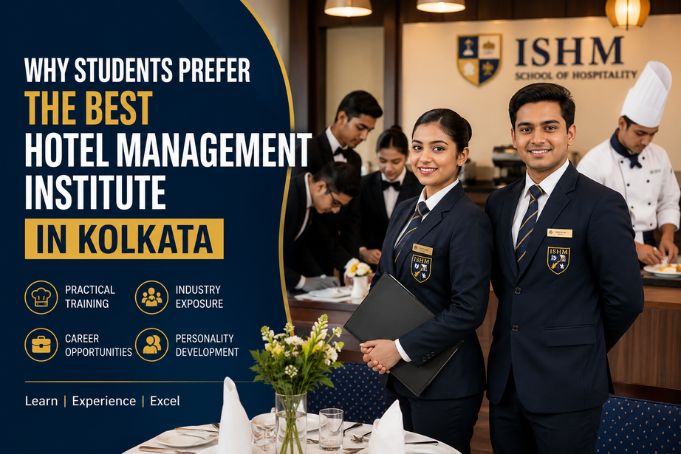
Students prefer leading hotel management institutes because they offer a combination of industry-focused education, practical training, professional exposure, and strong placement opportunities. The hospitality industry values real-world skills as much as academic knowledge, making the choice of institute a critical factor in long-term career success.
For this reason, many aspiring hospitality professionals seek admission to the Best Hotel Management Institute in Kolkata. A reputed institute not only teaches operational skills but also develops leadership, communication, and customer service abilities that are essential in today’s global hospitality sector.
What Makes a Hotel Management Institute Stand Out?
A top hotel management institute is an educational institution that combines theoretical knowledge, practical training, industry partnerships, and career support to prepare students for successful hospitality careers.
The hospitality industry has evolved significantly over the last decade. Employers are no longer looking for graduates who simply understand hotel operations. They want professionals who can solve problems, manage teams, adapt to technology, and deliver exceptional guest experiences.
The best institutes recognize this shift and design their programs accordingly.
Also Read: How Important Is an International Internship for Hotel Management Students?
Why Is Practical Learning So Important?
Hospitality is a hands-on profession. Students learn best when they experience real operational environments rather than relying solely on classroom instruction.
Top institutes provide opportunities to work in:
- Training kitchens and restaurants
- Front office simulation labs
- Housekeeping practice facilities
- Food and beverage service environments
- Industry internships and live projects
These experiences help students gain confidence before entering the workforce. Employers often prefer graduates who have already handled practical hospitality scenarios during their education.
How Does Industry Exposure Influence Student Decisions?
One major reason students choose reputed hospitality colleges is direct exposure to the industry. Learning from professionals who have worked in hotels, resorts, airlines, and event management companies adds tremendous value.
Industry visits, guest lectures, workshops, and internship programs provide students with a realistic understanding of workplace expectations.
When students interact with hospitality leaders early in their academic journey, they gain clarity about career paths and future opportunities.
What Skills Do Students Gain Beyond Hotel Operations?
Many people assume hotel management education focuses only on hotel functions. In reality, successful hospitality programs develop a much broader skill set.
Core Professional Skills
- Communication and interpersonal abilities
- Leadership and team management
- Problem-solving under pressure
- Customer relationship management
- Time management and organization
- Professional etiquette and grooming
These transferable skills are valuable not only in hospitality but also in tourism, aviation, luxury services, and corporate management roles.
How Do Strong Placement Opportunities Attract Students?
Career prospects remain one of the biggest deciding factors when selecting a hospitality institute. Students naturally prefer institutions with a strong track record of placements and industry partnerships.
Top recruiters often collaborate with reputed institutes because they trust the quality of training provided. As a result, students gain access to career opportunities that might otherwise be difficult to secure independently.
The hospitality industry offers diverse career options including hotels, cruise lines, airlines, resorts, event management companies, restaurants, and tourism organizations.
Why Do Students Value Diverse Career Pathways?
Modern students often look beyond traditional hotel careers. They want educational programs that provide flexibility and multiple growth opportunities.
For example, students interested in healthcare administration may also explore programs like BBA in Hospital Management in Kolkata, which focuses on management skills applicable to healthcare organizations.
This broader educational ecosystem allows students to evaluate different service-sector careers while developing strong managerial foundations.
How to Evaluate a Hotel Management Institute
Step-by-Step Guide:
Step 1: Review the Curriculum
Ensure the program includes practical hospitality training alongside theoretical concepts.
Step 2: Check Industry Connections
Look for partnerships with hotels, hospitality brands, and internship providers.
Step 3: Assess Infrastructure
Modern training facilities significantly improve the learning experience.
Step 4: Examine Placement Support
Research placement records, recruiter networks, and career guidance services.
Step 5: Speak with Alumni
Former students often provide the most honest insights into educational quality and career outcomes.
What Role Does Technology Play in Hospitality Education?
Hospitality management today involves much more than guest interaction. Hotels increasingly rely on technology for reservations, customer relationship management, revenue optimization, and operational efficiency.
Institutes that incorporate hospitality technology, hotel software systems, and digital management tools help students stay aligned with industry trends.
This technological exposure often gives graduates a competitive advantage during recruitment.
Frequently Asked Questions
Why is hotel management a popular career choice?
Hotel management offers diverse career opportunities, international exposure, career growth, and the chance to work in dynamic service-oriented environments.
What should I look for in a hotel management institute?
Focus on curriculum quality, practical training facilities, industry exposure, internship opportunities, and placement support.
Do hotel management students receive practical training?
Yes. Reputed institutes provide extensive practical training through labs, simulations, internships, and industry projects.
Can hotel management graduates work outside hotels?
Absolutely. Graduates can pursue careers in tourism, airlines, event management, luxury retail, cruise operations, and hospitality consulting.
Does industry exposure improve employability?
Yes. Industry exposure helps students understand professional expectations, build networks, and gain valuable hands-on experience.
Conclusion
Students choose top hospitality institutes because they understand that success in the industry requires more than academic qualifications. Practical learning, industry exposure, professional development, and strong career support create a foundation for long-term growth. When these elements come together, students gain the confidence, skills, and opportunities needed to thrive in the competitive world of hospitality management.
Also Read: BHM Course in Kolkata: Complete Hospitality Guide
Blog Development Credits:
This blog was created through a collaborative effort. The idea was initiated by Soumyajit Sardar, with content support from AI tools like ChatGPT and Google Gemini, and refined by an experienced ISHM faculty member for clarity, SEO, and engagement.