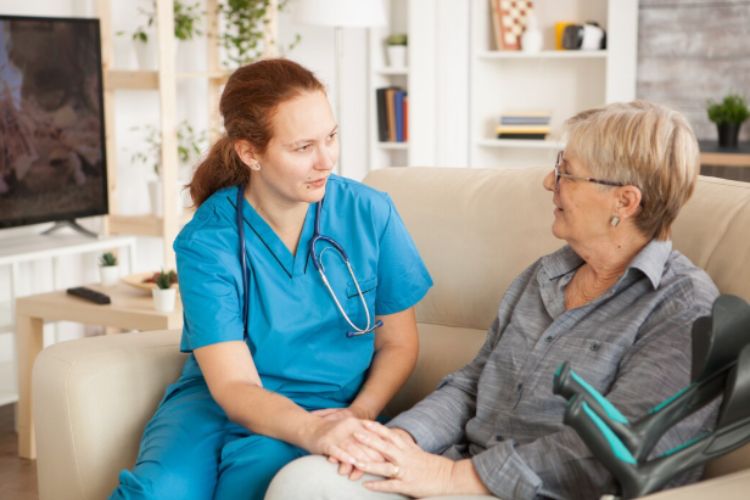

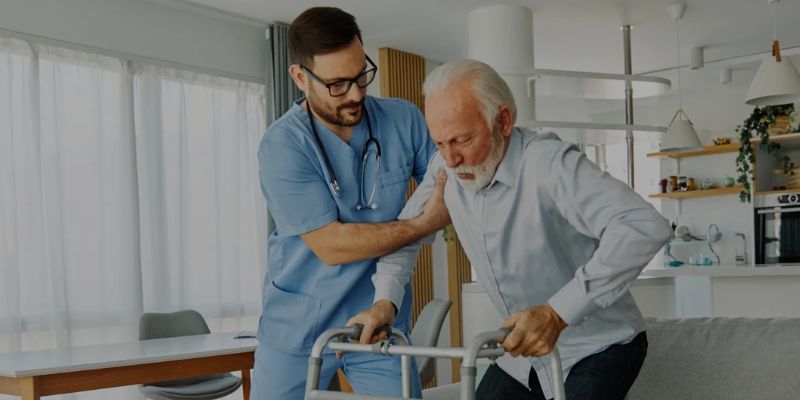
Creating a safe home environment for seniors in Cupertino means reducing fall risks, improving accessibility, supporting daily independence, and preparing for emergencies. Small home modifications combined with thoughtful caregiving can significantly lower the chances of accidents while helping older adults continue living comfortably and confidently in familiar surroundings.
Families often begin by improving lighting or removing clutter, but long-term safety requires a broader approach. Professional support such as Elderly home care Cupertino can complement home improvements by providing personalized assistance, monitoring changing needs, and encouraging healthy daily routines that promote independence.
What Does a Safe Home Environment Mean for Seniors?
A safe home environment is a living space intentionally designed to reduce physical hazards while supporting mobility, comfort, and emotional well-being. It allows older adults to perform everyday activities with greater confidence and fewer risks.
Safety is not simply about preventing falls. It also includes medication management, emergency preparedness, proper lighting, accessible furniture, and maintaining routines that reduce confusion and unnecessary stress.
Why Is Home Safety Especially Important in Cupertino?
Many older adults in Cupertino choose to age in place because it allows them to remain close to family, neighbors, and familiar community resources. While staying at home offers emotional comfort, houses built years ago may not always match the changing mobility needs that come with aging.
Even minor improvements such as replacing loose rugs, widening walking paths, or installing grab bars can dramatically reduce injury risks. The goal isn’t to change the home completely but to make it work better for the person living there.
How to Create a Safer Home: A Step-by-Step Guide?
Step 1: Start with a Room-by-Room Safety Assessment
Walk through every room from the perspective of someone with limited balance, reduced vision, or slower movement. Look for potential hazards before they become accidents.
Step 2: Remove Common Fall Risks
- Secure or remove loose rugs.
- Keep electrical cords away from walking paths.
- Arrange furniture to create clear walkways.
- Repair uneven flooring immediately.
- Keep everyday items within easy reach.
Step 3: Improve Lighting Throughout the Home
Good lighting is one of the simplest yet most effective safety upgrades. Install brighter LED lighting in hallways, staircases, bathrooms, and entrances. Motion sensor night lights provide additional visibility during nighttime bathroom trips.
Step 4: Upgrade Bathroom Safety
Bathrooms account for many household injuries among seniors because of slippery surfaces and limited support.
- Install grab bars near toilets and showers.
- Use non-slip bath mats.
- Consider a walk-in shower.
- Add a shower chair if standing becomes difficult.
- Use a handheld showerhead for easier bathing.
Step 5: Prepare for Emergencies
Keep emergency phone numbers visible, install smoke and carbon monoxide detectors, and ensure every family member understands the emergency response plan. Personal emergency response devices can also provide peace of mind for seniors living independently.
Daily Habits That Make Homes Safer
Home safety isn’t only about physical modifications. Daily routines often have an even greater impact on preventing accidents.
- Review medications regularly with healthcare providers.
- Stay physically active to maintain strength and balance.
- Wear supportive, non-slip footwear indoors.
- Keep hydration and nutrition consistent.
- Schedule regular vision and hearing examinations.
These habits help maintain physical function while reducing preventable risks associated with aging.
When Professional Home Care Adds Extra Protection?
There comes a point when home modifications alone may not fully address changing needs. Families may notice occasional forgetfulness, difficulty with household chores, or concerns about mobility.
Professional caregivers provide assistance without taking away independence. Services such as medication reminders, meal preparation, mobility support, companionship, and daily monitoring can make aging at home much safer. Families looking beyond Cupertino often also explore Senior home care assistance Santa Clara to find flexible support options that adapt as care needs evolve.
Smart Home Technology That Supports Senior Safety
Modern technology offers practical tools that quietly enhance everyday safety without making a home feel clinical.
Helpful Smart Safety Solutions
- Video doorbells to verify visitors safely.
- Voice-controlled assistants for hands free reminders.
- Smart medication dispensers.
- Automatic lighting systems.
- Fall detection wearable devices.
- Remote monitoring systems for family members.
Technology works best when it supports existing routines rather than replacing human interaction.
Signs That a Home May Need Additional Safety Improvements
Some warning signs appear gradually and are easy to overlook.
- Frequent stumbling or loss of balance.
- Difficulty climbing stairs.
- Unused rooms because they feel difficult to access.
- Burn marks from cooking mistakes.
- Forgotten medications.
- Increasing isolation or reduced confidence moving around the house.
Addressing these issues early often prevents more serious health events and helps seniors remain independent for longer.
Frequently Asked Questions
1. How can I make my elderly parent’s home safer?
Begin with a complete safety assessment, remove fall hazards, improve lighting, install grab bars, and review daily routines. Consider professional caregiving support if mobility or memory concerns increase.
2. What is the biggest safety risk for seniors at home?
Falls remain the leading home safety concern because they can result in fractures, reduced mobility, and loss of independence.
3. Which room requires the most safety modifications?
The bathroom usually needs the most attention due to slippery surfaces, limited support, and frequent transfers between sitting and standing.
4. Do smart home devices improve senior safety?
Yes. Motion lighting, emergency alert systems, medication reminders, and voice assistants can reduce risks while supporting independent living.
5. When should families consider home care services?
Professional home care becomes valuable when seniors need help with daily activities, medication reminders, mobility assistance, or regular supervision while remaining safely at home.
Final Thoughts
Creating a safe home environment for seniors in Cupertino isn’t about making dramatic changes overnight. It’s about making thoughtful improvements that match an individual’s abilities, lifestyle, and future needs. Combining practical home modifications with healthy daily habits and professional support when necessary helps older adults enjoy greater independence, confidence, and quality of life while continuing to age comfortably in the place they know best.
Full Audio Version:- Click Here