

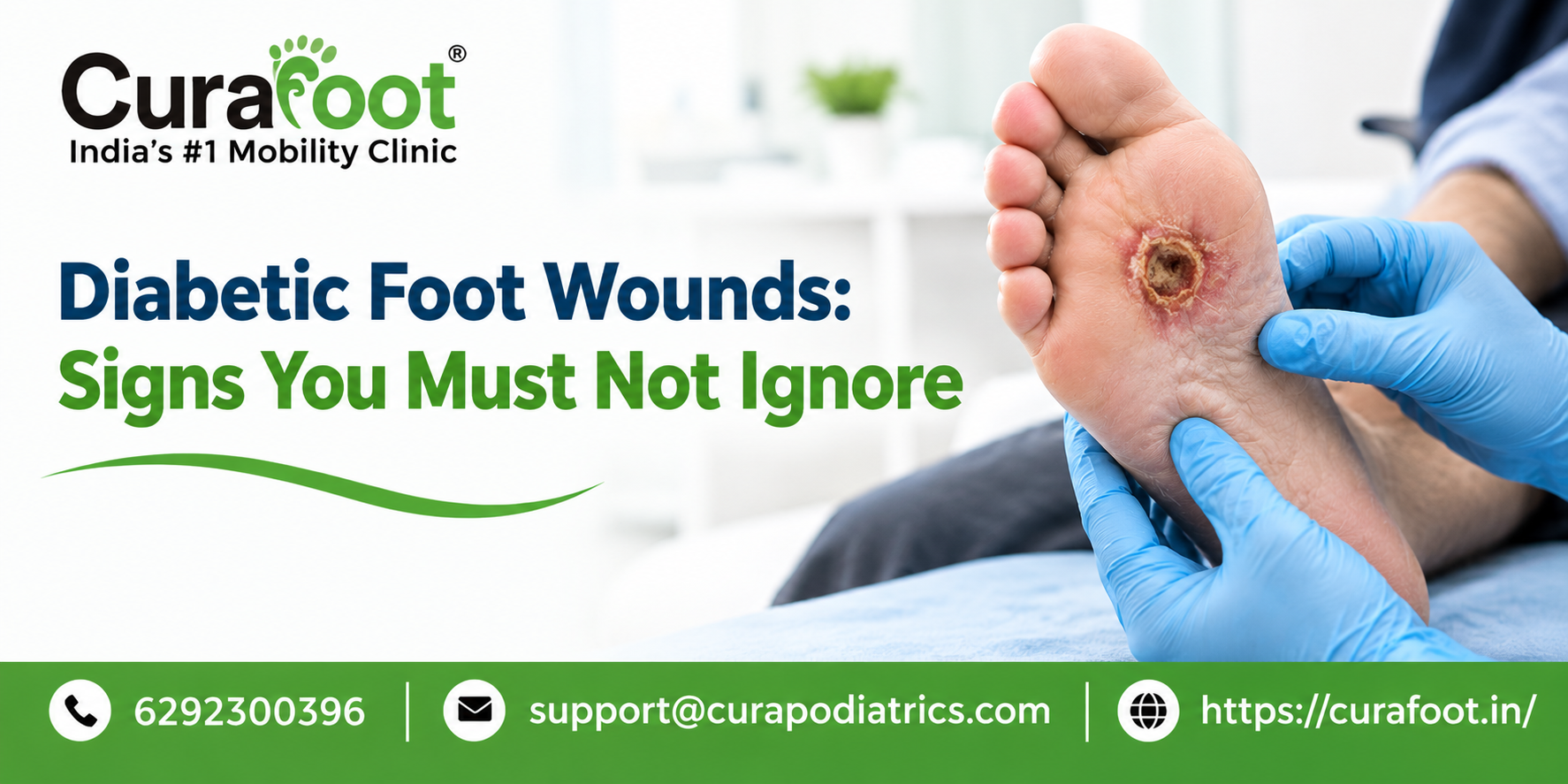
A small blister after a long walk through Kolkata’s busy streets may seem harmless, but for someone living with diabetes, even a minor foot injury deserves attention. High blood sugar can affect sensation, circulation and healing, allowing a tiny wound to become a serious problem. Recognising early warning signs can help protect your feet and prevent avoidable complications.
Understanding when to seek diabetic foot wound treatment is especially important if you have diabetes for several years or frequently experience numbness, tingling or dry skin. A wound does not always hurt, and waiting for pain before taking action can be risky. A simple daily foot check can make a meaningful difference.
Why Are Diabetic Foot Wounds a Serious Concern?
Diabetes can damage the nerves responsible for sensation, a condition known as diabetic neuropathy. When this happens, you may not notice a blister, cut or pressure injury caused by tight footwear. Diabetes can also affect blood circulation, making it harder for oxygen and nutrients to reach damaged tissue and support healing.
Think of your feet as an early warning system. If sensation is reduced, that system may stop sending clear signals when something goes wrong. In Kolkata, where walking, commuting, humid weather and everyday footwear choices can expose feet to friction or moisture, regular inspection is particularly useful.
The International Diabetes Federation and other diabetes-health organisations highlight foot complications as an important concern for people living with diabetes. The US Centers for Disease Control and Prevention also explains how diabetes-related nerve damage and poor blood flow increase the risk of foot problems. You can read more in the CDC’s diabetes resources.
7 Early Warning Signs You Should Never Ignore
1. Cuts, Blisters or Sores That Do Not Heal
A blister from new sandals or a small cut caused by an accidental knock may look insignificant. However, if the area remains open, repeatedly breaks down or fails to improve, arrange a prompt medical assessment. Do not assume that a painless wound is a harmless one.
2. Redness, Swelling or Unusual Warmth
Skin around a wound that becomes red, swollen or warmer than the surrounding area may indicate inflammation or infection. If redness spreads, swelling increases or the foot changes noticeably, seek urgent medical care rather than waiting for the next routine appointment.
3. Numbness, Tingling or Burning Sensations
A pins-and-needles feeling, burning sensation or loss of feeling in the toes can indicate nerve damage. You might step on a sharp object or develop a pressure sore without realising it. These symptoms deserve medical attention, even when the skin appears normal.
4. Pus, Fluid or an Unpleasant Smell
Fluid draining from a wound, pus or a new unpleasant smell can signal infection. Do not try to cover up the problem with powder, home remedies or antiseptic products without appropriate medical advice. A suspected infected diabetic foot wound needs prompt assessment.
5. Skin Colour Changes or Dark Spots
Watch for persistent redness, unusual paleness, bluish areas or dark patches around the toes and feet. Dark tissue can sometimes indicate serious damage, including reduced blood supply or tissue death. Sudden colour changes, especially with coldness or pain, require emergency assessment.
6. Cracked Heels, Dry Skin or Skin Breaks
Dry skin may seem like a cosmetic concern, but deep cracks can create an entry point for bacteria. Check the heels, soles and spaces around the toes. Moisturising intact dry skin may help, but avoid applying cream between the toes if it leaves the area damp, and never ignore a deep crack or open wound.
7. Changes in Foot Shape or Walking Comfort
New swelling, a change in foot shape, a developing callus or discomfort while walking can indicate pressure-related damage. A callus may look like ordinary thickened skin, yet repeated pressure underneath it can contribute to ulcer formation. Never cut calluses yourself, especially if sensation is reduced.
What Should You Do If You Notice a Warning Sign?
Early action is safer than trying to manage a potentially serious wound alone. If you discover an injury, keep pressure off the affected area as much as possible and arrange medical advice promptly. A clinician can assess circulation, sensation, wound depth and possible infection before recommending appropriate care.
- Check your feet daily: Examine the soles, heels, toes and spaces between them. Use a mirror or ask a family member for help if you cannot see the bottom of your feet clearly.
- Protect the wound: If the skin is broken, gently rinse it with clean water, cover it with a sterile, non-stick dressing and avoid tight bandaging. Do not soak the foot or apply harsh chemicals.
- Avoid pressure and friction: Stop wearing footwear that rubs the affected area. Do not walk barefoot, and avoid putting weight on a wound when possible.
- Seek timely assessment: Contact a healthcare professional for any new foot ulcer or wound. Spreading redness, pus, fever, rapidly worsening swelling, black tissue or a cold, pale or blue foot warrants urgent medical attention.
- Keep diabetes under control: Follow your prescribed treatment plan and attend recommended check-ups. Blood glucose management supports overall health but does not replace direct wound assessment.
When Should You Consult a Diabetic Foot Specialist?
Do not wait for a wound to become painful before seeking help. If you notice an open sore, recurring blister, unexplained swelling or a wound that is not healing, arrange an assessment as soon as possible. People with previous foot ulcers, reduced sensation or circulation problems may need more frequent professional foot checks.
Consulting a diabetic foot ulcer specialist can help identify the cause of the wound and determine whether you need dressings, pressure relief, infection management, circulation assessment or other treatment. In Kolkata, choosing a qualified healthcare professional with experience in diabetic foot care can help you understand the next steps without relying on guesswork.
Important: A diabetic foot wound accompanied by fever, spreading redness, severe swelling, blackened tissue or signs of poor circulation should not wait for a routine appointment. Seek urgent medical care.
Frequently Asked Questions
1. Can a diabetic foot wound develop without pain?
Yes. Diabetic neuropathy can reduce or eliminate pain sensations, so a person may not notice a cut, blister or ulcer. Inspect your feet daily, even if they feel completely normal.
2. How long should I wait for a diabetic foot wound to heal?
Do not wait a set number of days before seeking advice about a new open wound. Diabetes can delay healing and increase infection risk. Arrange a prompt assessment, particularly if the wound is deep, worsening or showing signs of infection.
3. Are dark spots on a diabetic foot always dangerous?
Not every dark spot indicates a serious complication, but unexplained darkening can sometimes signal tissue damage or poor circulation. Seek prompt medical evaluation, and obtain emergency care if the area turns black or is accompanied by coldness, spreading changes or other concerning symptoms.
4. How can I prevent diabetic foot ulcers at home?
Check your feet every day, wear properly fitting footwear, keep your skin clean and dry, avoid walking barefoot, and manage your blood glucose as advised by your clinician. Never cut corns or calluses yourself. Attend regular foot examinations, especially if you have neuropathy or a history of ulcers.
Final Thoughts
Healthy feet are easy to take for granted until a small problem starts interfering with everyday life. If you have diabetes in Kolkata, make a daily foot check part of your routine, pay attention to changes in skin colour or sensation, and seek medical advice early when something looks unusual. A wound that does not hurt still deserves attention. When it comes to diabetic foot health, early assessment can help prevent complications and protect your mobility.