
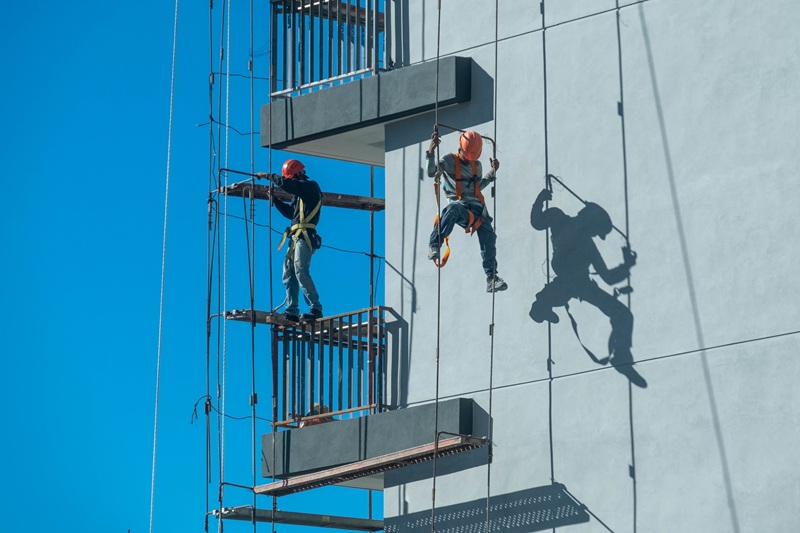
Working at height leaves no room for shortcuts. Even the most advanced fall protection equipment can lose its effectiveness if it isn’t maintained properly. Regular inspections, careful storage, and timely replacement not only extend equipment life but, more importantly, help ensure workers remain protected every time they step onto an elevated worksite.
Proper maintenance of fall arresters should be part of every workplace safety program. Whether you’re operating on construction sites, industrial plants, warehouses, or telecommunications towers, taking a few preventive steps can reduce equipment wear, improve reliability, and support compliance with workplace safety standards.
Why Maintenance Matters?
Fall protection equipment is exposed to demanding environments every day. Dust, moisture, chemicals, ultraviolet (UV) rays, and repeated use gradually affect webbing, metal components, and connectors. Ignoring these changes can increase the likelihood of equipment failure when it’s needed most.
The Occupational Safety and Health Administration (OSHA) emphasizes that personal fall protection systems should be inspected before each use and maintained according to the manufacturer’s instructions.
Inspect Equipment Before Every Use
Daily inspections take only a few minutes but can prevent serious incidents. Workers should examine each component carefully before beginning work at height.
Check the Webbing
Inspect straps for cuts, frayed edges, burns, loose stitching, discoloration, or signs of chemical damage. Even small defects may reduce the strength of the equipment.
Examine Metal Components
Look closely at buckles, hooks, D-rings, connectors, and adjustment mechanisms. Corrosion, cracks, bending, or deformation indicate the equipment should be removed from service immediately.
Verify Labels and Identification
Product labels provide essential information, including inspection history, serial numbers, and manufacturing details. If labels become unreadable, the equipment may no longer meet inspection requirements.
Clean Equipment the Right Way
Proper cleaning helps preserve both appearance and performance. Harsh cleaning methods, however, may damage protective materials.
-
- Use mild soap and lukewarm water to remove dirt.
-
- Allow equipment to air dry naturally.
-
- Avoid bleach, solvents, or strong detergents.
-
- Keep equipment away from direct heat sources during drying.
-
- Never use pressure washers on webbing components.
Simple cleaning routines prevent dirt buildup while helping inspectors identify damage more easily.
Store Your Safety Harness and Fall Arrest Equipment Correctly
Storage conditions have a significant impact on equipment lifespan. Even unused equipment can deteriorate if stored improperly.
Choose a clean, dry storage area away from:
-
- Direct sunlight.
-
- Excessive humidity.
-
- Chemical vapors.
-
- Sharp objects.
-
- Extreme temperatures.
Using designated storage cabinets or protective bags also helps reduce accidental damage during transportation.
Schedule Formal Inspections
Daily user checks should be supported by periodic inspections carried out by a competent person. Depending on workplace regulations, manufacturer recommendations, and equipment usage, detailed inspections may be required at regular intervals.
Maintaining accurate inspection records allows organizations to monitor equipment condition, identify recurring issues, and demonstrate compliance during safety audits.
Know When Replacement Is Necessary
One of the biggest mistakes companies make is attempting to extend equipment life beyond safe limits. Fall protection equipment should be removed from service immediately if it:
-
- Has arrested a fall.
- Shows visible damage or excessive wear.
- Fails inspection.
- Has missing or illegible identification labels.
- Has exceeded the manufacturer’s recommended service life.
Replacing worn equipment promptly is far less costly than the consequences of equipment failure.
Build a Strong Maintenance Culture
Effective maintenance goes beyond inspections—it becomes part of workplace culture. Employees should receive regular training on equipment use, inspection techniques, cleaning procedures, and reporting damaged gear.
The American Society of Safety Professionals (ASSP) recommends integrating equipment inspections, worker training, and preventive maintenance into comprehensive fall protection programs. More information is available at https://www.assp.org/.
Frequently Asked Questions
1. How often should fall arrest equipment be inspected?
Workers should inspect equipment before every use, while a competent person should conduct detailed inspections at intervals recommended by the manufacturer or workplace safety program.
2. Can fall arrest equipment be reused after stopping a fall?
No. Equipment that has been involved in a fall arrest should generally be removed from service immediately and evaluated or replaced according to the manufacturer’s guidance.
3. What is the best way to clean a safety harness?
Clean the harness using mild soap and lukewarm water, rinse thoroughly, and allow it to air dry naturally away from direct sunlight or heat.
4. Why is proper storage important?
Correct storage protects fall protection equipment from moisture, UV exposure, chemicals, and physical damage, helping maintain its safety and extend its service life.
Final Thoughts
Reliable fall protection begins long before workers climb to elevated work areas. Routine inspections, careful cleaning, proper storage, and timely replacement all contribute to safer workplaces and longer-lasting equipment. By making maintenance a daily habit, organizations can protect both their investment and, more importantly, the people who depend on it every day.
Full Audio Version:- Click Here