
The modern website is no longer just a digital brochure. It watches, adapts, predicts, and responds almost like a living interface. In 2026, businesses are moving beyond static experiences toward intelligent systems that anticipate user intent before visitors even realize what they need. That shift is quietly redefining the future of digital engagement.
Brands investing in Website Development Services in Guwahati are increasingly prioritizing AI-first architecture instead of traditional layouts. The idea sounds futuristic at first, but honestly, most users already experience it daily—Netflix recommendations, Spotify playlists, or predictive shopping feeds are all examples of AI quietly shaping behavior online.
Why AI-First Websites Are Becoming the New Standard
A few years ago, businesses competed through design aesthetics. Then speed became the obsession. Now? Intelligence is the deciding factor. Users expect websites to understand context, personalize journeys, and reduce friction automatically.
According to research published by McKinsey & Company, organizations adopting AI-driven systems are reporting measurable improvements in customer engagement and operational efficiency. That trend is especially visible in ecommerce, SaaS platforms, and service-based industries.
Modern AI-powered websites rely heavily on:
- Predictive UX design
- Behavioral analytics
- Conversational interfaces
- Adaptive content delivery
- AI-driven recommendation systems
Interestingly, users rarely notice these technologies directly. They simply feel that the experience is “smoother” or “faster.” That subtlety is what makes intelligent web systems so powerful.
The Shift From Coding Pages to Building Experiences
Traditional development focused on writing clean code and ensuring responsive layouts. AI-first development changes the conversation entirely. Developers now collaborate with data scientists, UX strategists, and automation specialists to create systems that evolve continuously.
Many businesses exploring predictive web design are discovering that websites can now react differently depending on:
- User location
- Search intent
- Scrolling behavior
- Purchase history
- Device patterns
For example, a returning visitor searching for pricing information may instantly receive chatbot assistance, dynamic testimonials, or tailored offers without manually browsing the site. That’s not just convenience—it’s behavioral intelligence in action.
AI Chat Interfaces Are Replacing Traditional Navigation
Menus and dropdowns still matter, but conversational interfaces are slowly becoming the preferred entry point for many users. Instead of navigating five pages, visitors increasingly expect websites to answer questions instantly.
This trend mirrors how people interact with AI assistants today. They ask. The system responds. No unnecessary steps.
In fact, a report from Gartner predicts AI-driven customer interactions will dominate digital experiences across industries over the next few years.
Personalization Is No Longer Optional
Here’s the uncomfortable truth for outdated websites: generic experiences simply do not convert like they used to.
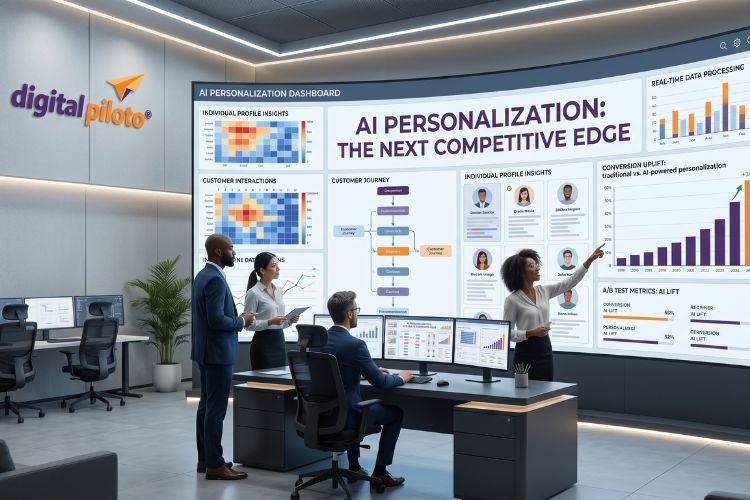
Users expect personalization almost instinctively now. Intelligent websites analyze browsing behavior, engagement time, and interaction signals to customize experiences in real time. That includes personalized headlines, dynamic product suggestions, and adaptive layouts.
Businesses investing in Web Development In India are increasingly integrating machine learning models into customer journeys because personalization directly impacts conversion rates and retention.
Some highly effective AI-first website features include:
- Smart search suggestions based on intent
- Behavior-triggered email automation
- Dynamic homepage customization
- Real-time content recommendations
- AI-generated product bundles
Oddly enough, users often don’t remember the technology itself. They remember how easy the experience felt.
The Rise of Context-Aware Design
One of the most fascinating developments in AI-first websites is context awareness. Websites are beginning to understand not just who users are, but what situation they’re currently in.
Imagine a travel website recognizing weather disruptions in a user’s region and instantly prioritizing cancellation assistance. Or a healthcare portal simplifying navigation during emergency searches. These aren’t gimmicks anymore—they’re becoming strategic UX decisions.
This is where AI website automation becomes incredibly valuable. Instead of static rules, websites learn patterns over time and refine experiences continuously.
Why Human-Centered AI Still Matters
Despite all the excitement around automation, the best AI-first websites still feel surprisingly human. That’s because successful businesses don’t use AI to replace empathy—they use it to scale relevance.
There’s a huge difference between intrusive automation and thoughtful personalization. Users appreciate assistance, but they dislike manipulation. Smart brands understand that balance.
A clean interface, emotionally intelligent messaging, and subtle AI enhancements usually outperform aggressive automation strategies.
Frequently Asked Questions
What is an AI-first website?
An AI-first website is designed around intelligent systems that personalize user experiences, predict behavior, automate interactions, and improve engagement dynamically using machine learning and behavioral analytics.
How does AI improve user experience on websites?
AI improves UX through personalized recommendations, predictive search, chatbots, adaptive layouts, and behavioral insights that reduce friction and help users find information faster.
Are AI-powered websites expensive to develop?
Costs vary depending on functionality, but many AI tools are becoming more accessible. Businesses often start with chatbot automation or recommendation engines before scaling advanced AI integrations.
Will AI replace traditional web development?
Not entirely. Developers are still essential, but their role is evolving toward creating intelligent systems, integrating automation, and optimizing user behavior data alongside coding.
Final Thoughts
The future of websites isn’t about adding more features. It’s about building digital experiences that understand people better. AI-first websites are shifting the focus from passive browsing to intelligent interaction, and honestly, users are already expecting that evolution whether businesses are ready or not.
Blog Development Credits:
This article was ideated by Amlan Maiti and refined through advanced AI research platforms before receiving strategic SEO enhancements from Digital Piloto Private Limited.