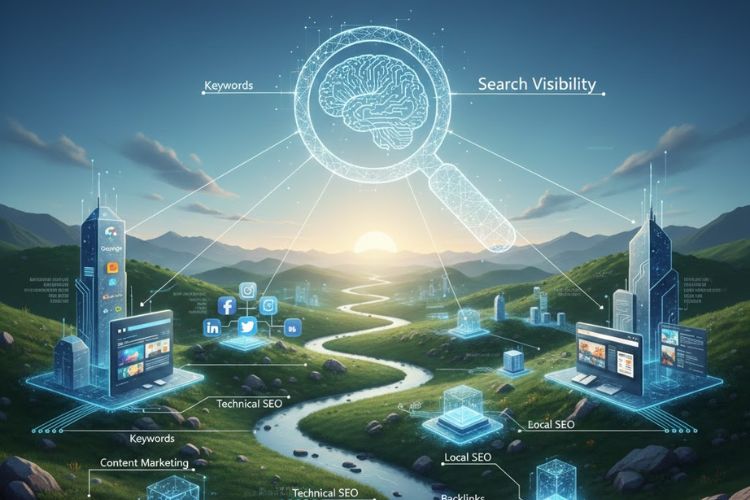


AI reputation engineering is the process of strategically shaping how a brand is perceived across AI-driven search systems, search engines, digital platforms, and customer touchpoints. Businesses that actively manage digital trust signals, brand mentions, expert positioning, and AI visibility are becoming market leaders faster than competitors relying on traditional branding alone.
Today, reputation is no longer built only through ads or PR campaigns. It is shaped by AI search summaries, review ecosystems, expert mentions, semantic relevance, and authority signals across the web. That is why modern brands increasingly invest in AI digital marketing Services to influence how intelligent systems interpret and recommend their business online.
What Is AI Reputation Engineering?
AI reputation engineering refers to the structured process of influencing how artificial intelligence platforms, search engines, and digital ecosystems evaluate a brand’s credibility, authority, and trustworthiness.
Definition in Simple Terms
It combines SEO, AI visibility optimization, brand authority building, customer sentiment management, and content intelligence into one reputation-focused strategy.
Instead of asking, “How do we rank on Google?”, companies now ask:
- How does AI describe our brand?
- Are we cited as a trusted source?
- Do customers consistently reinforce our authority?
- Are our experts visible in industry conversations?
That shift is changing competitive markets rapidly.
Why Reputation Now Decides Market Leadership
Most industries are saturated with similar products, similar pricing, and similar promises. Reputation becomes the deciding factor when customers cannot easily differentiate between competitors.
AI systems amplify this effect. Platforms like generative search engines increasingly prioritize trusted entities over simply optimized websites.
In practical terms, brands with stronger digital authority receive:
- Higher visibility in AI-generated responses
- More qualified inbound leads
- Improved conversion trust
- Better partnership opportunities
- Greater customer retention
A business with average marketing but exceptional reputation often outperforms a business with aggressive advertising but weak trust signals.
Core Pillars of AI Reputation Engineering
1. Entity Authority Building
Search engines and AI models evaluate brands as entities, not just websites. This means your company must establish consistent identity signals across the internet.
That includes:
- Consistent business information
- Industry mentions
- Thought leadership content
- Structured data optimization
- Knowledge graph relevance
Many brands overlook this and focus only on rankings. That approach is outdated.
2. Sentiment Optimization
Customer reviews, discussions, testimonials, and public feedback strongly influence AI-driven brand interpretation.
Positive sentiment patterns create trust acceleration.
Negative sentiment clusters create algorithmic hesitation.
This is why modern reputation engineering includes proactive review acquisition, issue resolution frameworks, and community engagement.
3. Expert Positioning
People trust experts more than logos.
Founders, consultants, and leadership teams who consistently share valuable insights create authority signals that AI systems recognize over time.
A strong expert profile strengthens the entire organization’s visibility.
How AI Reputation Engineering Works Step-by-Step
Step 1: Audit Existing Digital Perception
Analyze how your brand appears across:
- Search engines
- AI-generated summaries
- Review platforms
- Social discussions
- Industry publications
This reveals perception gaps and authority weaknesses.
Step 2: Build Semantic Brand Authority
Modern AI systems rely heavily on contextual understanding. Brands must create content ecosystems that reinforce expertise consistently.
This is where a strong geo strategy becomes essential. Generative search systems reward brands that provide clear, structured, and trustworthy information across multiple digital touchpoints.
Step 3: Strengthen Trust Signals
Trust signals include:
- Authentic reviews
- Case studies
- Media mentions
- Expert interviews
- High-authority backlinks
- Transparent communication
The goal is to create a reputation ecosystem, not isolated campaigns.
Step 4: Monitor AI Perception Continuously
Reputation is dynamic. AI-generated answers evolve constantly.
Leading brands monitor how they appear in:
- AI search engines
- Featured snippets
- Voice search results
- Knowledge panels
- Industry recommendation systems
Common Mistakes Businesses Make
Focusing Only on SEO Rankings
Traffic without trust rarely creates market leadership.
A business may rank first yet still lose customers if AI systems or reviews suggest low credibility.
Ignoring Brand Mentions Outside Their Website
AI models evaluate external validation heavily.
If nobody credible mentions your brand, your authority ceiling remains limited.
Publishing Generic Content
Generic content no longer builds authority effectively.
Original insights, practical expertise, and experience-based analysis now outperform keyword-heavy articles.
How Smart Brands Gain Competitive Advantage
The companies dominating digital markets today are engineering trust intentionally.
They combine:
- AI-driven content visibility
- Authority-focused SEO
- Reputation management
- Expert branding
- Structured semantic optimization
An experienced AI SEO company Kolkata can help businesses align these elements into a unified growth framework.
This approach creates long-term defensibility because reputation compounds over time.
Future Trends in AI Reputation Engineering
AI Recommendation Visibility Will Matter More
Brands increasingly compete to become recommended entities inside AI-generated answers rather than simply ranking on search result pages.
First-Party Authority Will Gain Importance
Businesses with original research, proprietary insights, and expert-led content will outperform generic publishers.
Trust Metrics Will Influence Revenue Directly
Future buying journeys will depend heavily on AI-filtered credibility scoring systems.
Companies investing early in digital trust architecture will hold a major advantage.
FAQs About AI Reputation Engineering
What is AI reputation engineering?
AI reputation engineering is the process of optimizing how AI systems, search engines, and digital platforms perceive and recommend a brand online.
Why is AI reputation important for businesses?
AI reputation influences visibility, customer trust, conversion rates, and competitive authority in modern digital ecosystems.
How does AI reputation differ from traditional reputation management?
Traditional reputation management focuses mainly on public perception, while AI reputation engineering also optimizes semantic authority and machine-readable trust signals.
Can small businesses benefit from AI reputation engineering?
Yes. Smaller businesses can establish authority faster by creating expert-driven content, earning positive reviews, and strengthening niche relevance online.
What industries benefit most from AI reputation engineering?
Healthcare, SaaS, legal services, consulting, finance, eCommerce, and digital agencies benefit significantly because trust strongly influences customer decisions in these sectors.
Conclusion
AI reputation engineering is becoming one of the most important growth strategies for modern businesses. Visibility alone no longer guarantees success. Brands must build trust, authority, and consistent credibility across every digital touchpoint AI systems evaluate.
The companies that understand this shift early will not just improve rankings — they will shape market perception itself.
Blog Development Credits:
This article was strategically developed through the research guidance of Amlan Maiti, refined with advanced AI-assisted analysis platforms, and professionally optimized by Digital Piloto Private Limited for enhanced search visibility and content performance.