

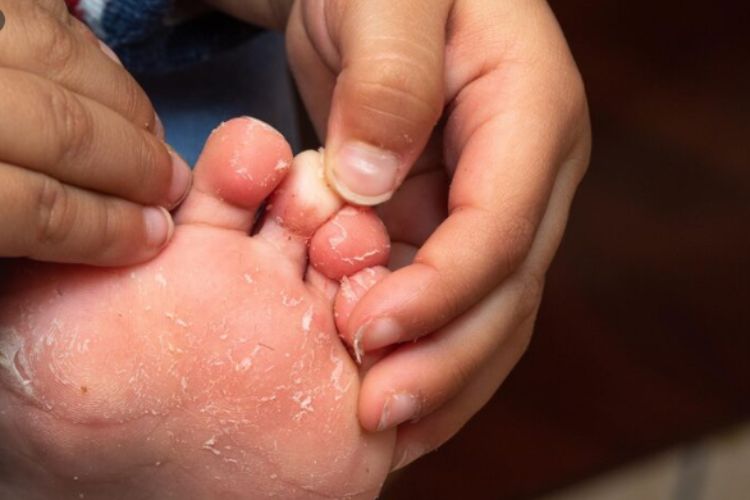
A foot corn may look like a small patch of hard skin, but it can become surprisingly painful when pressure continues on the same area. Corns develop when the skin responds to repeated friction or pressure by becoming thicker and harder. Tight footwear, foot deformities, unusual walking patterns and repetitive activities can all contribute. Understanding the foot corn causes and treatment options is important because simply removing the thickened skin may not prevent it from returning.
If you are experiencing a painful corn, addressing the source of pressure is as important as managing the hardened skin. For people looking specifically for heel corn treatment, professional assessment can help determine whether footwear, foot structure or pressure distribution is contributing to the problem.
What Is a Foot Corn?
A corn is a small, concentrated area of thickened skin that usually develops where repeated pressure or friction affects the foot. Corns are generally more localized and deeper than calluses and may have a firm central core. They commonly occur on or around the toes, although pressure-related lesions can also develop elsewhere on the foot.
Hard corns often appear on the tops or sides of toes, particularly where footwear presses against a bony area. Soft corns may develop between the toes, where moisture and pressure combine. Calluses, in comparison, are generally broader areas of thickened skin.
What Causes Foot Corns?
The fundamental cause is repeated friction or pressure. The skin thickens as a protective response, but continued pressure can make the area increasingly uncomfortable.
- Ill-fitting footwear: Shoes that are too narrow, tight or poorly shaped can create concentrated pressure on toes and other parts of the foot.
- High heels: These can shift body weight toward the front of the foot and increase pressure on the forefoot.
- Foot deformities: Bunions, hammertoes and other structural changes can create areas where skin repeatedly rubs against footwear.
- Gait and weight-distribution problems: An unusual walking pattern can place greater pressure on one part of the foot.
- Repetitive activity: Running, prolonged standing and other activities can increase repeated stress on particular pressure points.
- Going without socks: Direct contact between the skin and footwear can increase friction.
Medical references consistently identify pressure and friction as the underlying mechanism, while foot structure and footwear can determine where that pressure occurs.
How Do You Know If It Is a Corn?
A typical corn appears as a small, hardened or raised area that may be tender when pressed. Pain is often more noticeable while walking or when footwear puts pressure directly on the lesion.
However, not every hard spot on the foot is a corn. Plantar warts, calluses and other skin conditions can sometimes look similar. A healthcare professional can examine the lesion and, when necessary, distinguish a corn from other causes of thickened skin.
How to Manage Foot Corns Safely?
For a mild corn in an otherwise healthy person, reducing friction and pressure is usually an important first step. The objective is not simply to make the hard skin disappear; it is to stop the repeated mechanical stress that created it.
1. Change Your Footwear
Choose shoes with enough width and depth around the toes. A comfortable toe box allows the toes to move without constant rubbing. Cushioned, supportive footwear can also reduce pressure on sensitive areas. If a particular shoe repeatedly causes pain, replacing or modifying it may be more useful than repeatedly removing the corn.
2. Protect the Pressure Point
Non-medicated protective pads, cushioning and appropriate insoles can reduce direct pressure on the affected area. In people whose corns are related to uneven weight distribution or structural foot problems, an appropriately selected orthotic may help redistribute pressure.
3. Soften Thickened Skin Carefully
For healthy people without conditions that increase the risk of foot complications, soaking the foot in warm water and gently reducing excess hard skin with a pumice stone or foot file may help. The process should be gentle rather than aggressive.
Do not cut, shave or dig into a corn with a blade at home. Self-removal can injure healthy tissue and introduce infection.
4. Be Careful With Medicated Corn Products
Some corn-removal products contain salicylic acid, which works by softening and breaking down thickened keratin. However, the chemical can also damage surrounding healthy skin if applied incorrectly. People with diabetes, poor circulation or reduced sensation should not self-treat corns with these products without appropriate medical guidance.
Why Do Some Foot Corns Keep Coming Back?
Recurrence is often a clue that the underlying pressure has not been corrected. Removing the thickened skin can provide relief, but if the same toe continues rubbing against a shoe or a structural abnormality continues to concentrate pressure in one area, the skin may thicken again.
For recurring corns, assessment should therefore consider footwear, gait, foot shape and pressure distribution. Depending on the cause, treatment may involve professional removal, cushioning, footwear modification or custom orthotic support. In rare cases involving significant structural abnormalities, further medical or surgical management may be considered.
For patients seeking corn removal treatment in Kolkata, a clinical assessment can help determine whether the corn is an isolated skin problem or part of a broader mechanical issue.
When Should You See a Foot Specialist?
Professional evaluation is particularly important when a corn is painful, repeatedly returns, affects walking, becomes inflamed or develops signs of infection. You should also seek professional advice rather than attempting self-treatment if you have diabetes, poor circulation, reduced sensation or another condition that increases the risk of foot wounds.
The NHS advises people with diabetes, circulation problems or weakened immunity not to self-treat corns and calluses. It also recommends medical assessment when there is bleeding, discharge, severe pain or no improvement after home care.
For additional guidance on recognising when professional assessment is appropriate, read The Importance of Knowing When Corns and Calluses Need Specialized Podiatric Care.
How Can You Prevent Foot Corns?
Prevention focuses on controlling friction and pressure before the skin repeatedly becomes irritated.
- Wear properly fitted shoes with sufficient toe-room.
- Choose comfortable socks that do not bunch inside footwear.
- Avoid shoes that repeatedly rub the same area.
- Consider suitable cushioning or orthotic support when pressure distribution is a concern.
- Keep feet clean and moisturised.
- Inspect your feet regularly, especially if you have diabetes or reduced sensation.
- Address recurring corns instead of repeatedly removing the visible thickened skin.
These measures can reduce the mechanical factors associated with corn formation and may help prevent recurrence.
Frequently Asked Questions
1. What is the main cause of a foot corn?
The main cause is repeated pressure or friction on a specific area of skin. Poorly fitting footwear, foot deformities and abnormal pressure distribution are common contributors.
2. Can a foot corn go away on its own?
It may improve when the source of friction or pressure is removed. If the underlying cause remains, however, the corn can persist or return.
3. Can I cut a foot corn myself?
No. Cutting or shaving a corn with a sharp object can cause skin injury and infection. Professional removal is safer when a corn is painful, persistent or difficult to manage.
4. Are corn-removal pads safe?
Some contain salicylic acid and can irritate healthy skin. They require particular caution in people with diabetes, poor circulation or reduced sensation, who should seek professional advice before self-treatment.
5. Why does my corn keep coming back?
Recurring corns often indicate that the original pressure or friction has not been corrected. Footwear, gait, toe deformities and uneven pressure distribution may need to be assessed.
6. When should I see a doctor or podiatrist for a corn?
Seek professional care if the corn is very painful, repeatedly returns, affects walking, bleeds, drains fluid, becomes red or swollen, or does not improve with appropriate care. People with diabetes or circulation problems should seek professional advice before treating a corn themselves.
Final Thoughts
Effective foot corn management is about more than removing hardened skin. The most useful approach is to identify what is creating repeated pressure, protect the affected area and choose treatment according to the severity and underlying cause. Mild corns may improve when friction is reduced, while painful, persistent or recurring lesions may require professional assessment.
People with diabetes, circulation problems or reduced sensation should be particularly cautious about self-treatment. A qualified foot-care professional can assess the lesion, identify contributing factors and recommend appropriate pressure-relief and treatment strategies.