
When it comes to electrical infrastructure, the smallest components often carry the biggest responsibilities. Insulators may not be the most visible part of a power system, but their performance directly affects reliability, safety, and long-term operational efficiency. Choosing the right manufacturer, therefore, is not merely a purchasing decision—it’s an investment in system performance.
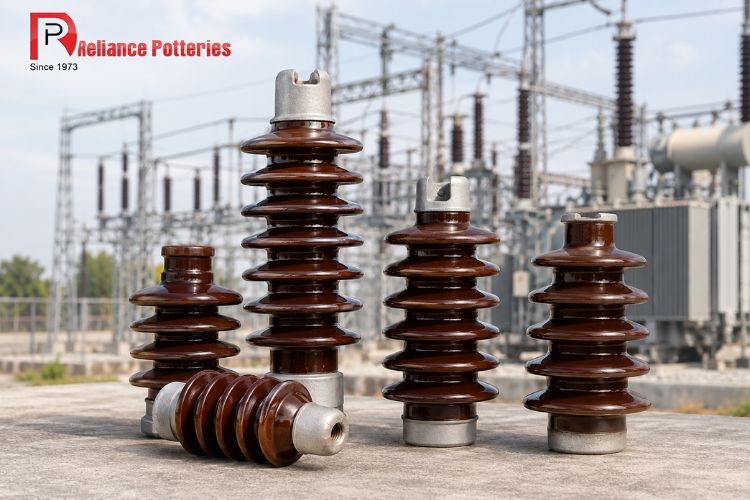
Many procurement teams and engineers begin their search by evaluating experienced Insulators Manufacturers with a proven track record in quality, technical expertise, and industry compliance. While pricing certainly matters, reliability and consistency often deliver far greater value over the lifespan of an electrical installation.
Also Read: Why Energy-Efficient Insulators Are Becoming Essential for Modern Industries
Why Manufacturer Selection Matters
An insulator’s primary role is straightforward: prevent unwanted electrical flow while supporting conductors and equipment. Yet the environments in which insulators operate can be demanding. High voltages, extreme temperatures, moisture, dust, and industrial pollutants all place stress on these components.
A poorly manufactured insulator may lead to increased maintenance costs, equipment downtime, and in severe cases, system failures. By contrast, a well-engineered product contributes to smoother operations and improved equipment longevity.
According to guidance from the International Energy Agency (IEA), reliable electrical infrastructure remains critical for maintaining efficient industrial and power systems worldwide. Component quality plays an important role in achieving this reliability.
Key Qualities of a Reliable Insulator Manufacturer
1. Consistent Product Quality
Quality should be evident in every stage of production, from raw material selection to final testing. Reputable manufacturers invest heavily in quality control systems because even minor defects can impact electrical performance.
- Rigorous material inspection procedures
- Advanced manufacturing processes
- Comprehensive product testing
- Documented quality certifications
Consistency is often what separates industry leaders from average suppliers.
2. Technical Expertise and Industry Knowledge
Experienced manufacturers understand the practical challenges faced by utilities, industrial plants, and engineering contractors. Their expertise allows them to recommend products tailored to specific applications rather than offering one-size-fits-all solutions.
A manufacturer that actively supports customers during specification and installation stages often becomes a valuable long-term partner rather than simply a vendor.
Evaluating Manufacturing Capabilities
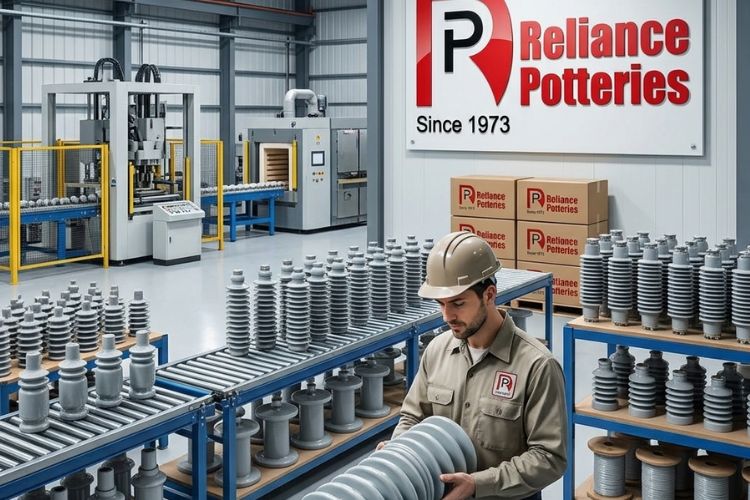
One useful approach is to examine the manufacturer’s production capabilities. Modern facilities generally demonstrate stronger control over product consistency and scalability.
Questions Worth Asking
- What testing procedures are performed before shipment?
- Does the manufacturer comply with recognized industry standards?
- Can they handle large-scale project requirements?
- How long have they served the electrical industry?
- Do they provide technical support after delivery?
These questions often reveal more about reliability than a price quotation alone.
The Importance of Specialized Products
Industrial applications frequently require specialized insulation solutions. For example, electrostatic precipitators and other heavy-duty equipment depend on components designed for demanding operating environments.
In such cases, selecting an experienced Shaft Insulators Manufacturer becomes particularly important. Specialized manufacturers understand application-specific performance requirements and can provide products engineered for durability, thermal stability, and electrical efficiency.
Whether sourcing ceramic insulators, porcelain insulators, or high-voltage insulators, buyers should prioritize manufacturers with demonstrated expertise in their target application.
Looking Beyond Price
It’s tempting to focus primarily on upfront costs, especially when managing large procurement budgets. However, experienced engineers often view pricing within the broader context of total ownership cost.
A lower-cost component that requires frequent replacement may ultimately cost more than a premium product designed for long-term performance. Reliability, maintenance requirements, and operational continuity all contribute to the true value equation.
- Reduced maintenance expenses
- Improved equipment reliability
- Longer service life
- Lower risk of operational disruptions
These benefits frequently outweigh small differences in purchase price.
Industry Reputation Still Matters
One of the simplest yet most effective evaluation methods is reviewing industry reputation. Manufacturers that have served the market for decades often earn trust through consistent performance rather than marketing claims.
Recommendations from engineers, utility operators, and industrial clients can provide valuable insight into product reliability and customer support. A strong reputation is rarely built overnight; it is usually the result of years of dependable service.
Frequently Asked Questions
1. What factors should I consider when choosing an insulator manufacturer?
Focus on product quality, testing standards, industry experience, technical support, and the manufacturer’s reputation within the electrical sector.
2. Why are quality certifications important for insulator manufacturers?
Certifications indicate that production processes follow recognized quality standards and help ensure product consistency.
3. Are specialized insulators necessary for industrial applications?
Yes. Certain industries require application-specific insulators designed to withstand unique electrical, thermal, and environmental conditions.
4. Is the lowest-priced supplier always the best option?
No. Long-term reliability, maintenance costs, and operational performance should be evaluated alongside initial pricing.
Also Read: Top High Voltage Insulators Manufacturers Guide
Final Thoughts
Choosing a reliable insulator manufacturer involves more than comparing catalogs and quotations. It requires evaluating quality systems, technical expertise, manufacturing capabilities, and long-term performance history. By focusing on these fundamentals, businesses can build stronger, safer, and more dependable electrical systems that continue delivering value for years to come.
Blog Development Credits
This article was developed through the combined efforts of Reliance Potteries and advanced AI-assisted research tools. Final content refinement, editorial review, and SEO optimization were completed by Reliance Potteries.