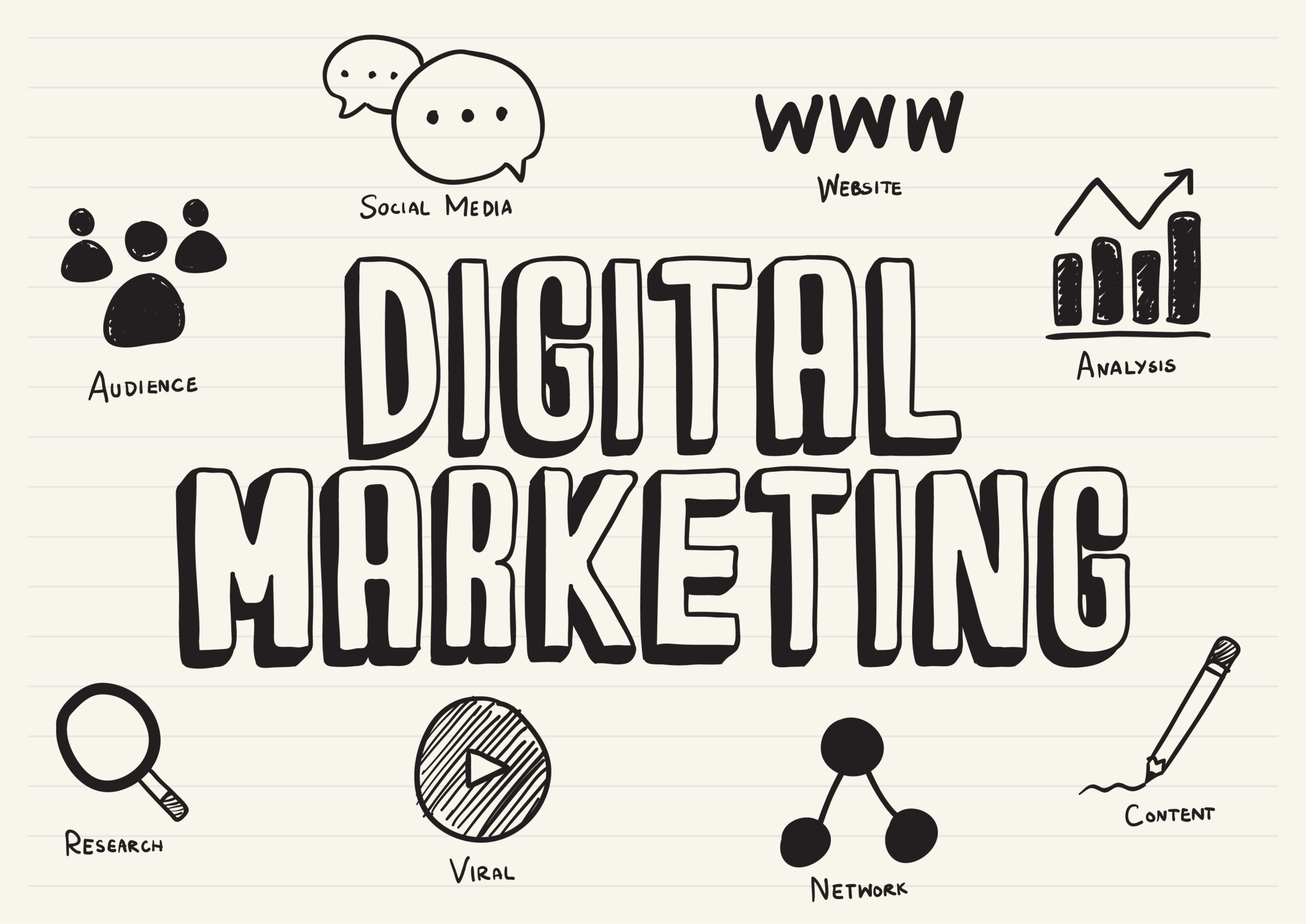


A digital marketing company helps hospitals increase patient volume by improving online visibility, attracting high-intent patients, building trust through content, and optimizing conversion pathways. In simple terms, it ensures that when patients search for care, your hospital is not just visible—but chosen.
Today, partnering with a specialized digital marketing agency for healthcare is no longer optional. Hospitals that rely only on traditional referrals are losing ground to competitors who dominate search engines, local listings, and patient engagement platforms.
What Does a Digital Marketing Company Do for Hospitals?
Definition
A digital marketing company for hospitals uses online strategies—such as SEO, paid advertising, content marketing, and patient engagement tools—to attract, convert, and retain patients consistently.
Unlike generic marketing, healthcare marketing requires trust-building, compliance awareness, and patient-centric communication.
How Does Digital Marketing Increase Patient Volume?
The core idea is simple: more visibility + better targeting + higher trust = more patients.
- Search visibility: Appearing on Google when patients search symptoms or treatments.
- Local discovery: Ranking in “near me” searches and Google Maps.
- Targeted ads: Reaching patients actively looking for care.
- Trust signals: Reviews, testimonials, and educational content.
In my experience, hospitals that invest in digital strategies see not just more patients—but better-qualified ones.
Key Services That Drive Patient Growth
1. Healthcare SEO (Search Engine Optimization)
SEO ensures your hospital ranks for relevant keywords like “best cardiologist near me” or “emergency hospital in [city].” This brings in high-intent organic traffic.
2. Paid Advertising (Google & Social Ads)
Paid campaigns deliver instant visibility. With proper targeting, hospitals can reach patients based on location, condition, and urgency.
3. Content Marketing for Patient Education
Blogs, videos, and FAQs help patients understand conditions and treatments, building trust before they even visit.
4. Online Reputation Management
Positive reviews and ratings influence patient decisions significantly. Managing these actively can directly impact footfall.
5. Conversion Optimization
It’s not just about traffic. Optimized landing pages, appointment forms, and call-to-action buttons convert visitors into patients.
How a Digital Strategy Works (Step-by-Step)
- Market Research: Identify patient needs, search behavior, and competition.
- Strategy Development: Create a tailored plan for SEO, ads, and content.
- Execution: Launch campaigns across search engines and social platforms.
- Tracking & Analytics: Monitor patient inquiries, calls, and bookings.
- Optimization: Continuously refine campaigns for better ROI.
This structured approach ensures consistent patient acquisition rather than unpredictable spikes.
Real-World Impact: What Actually Changes?
Let’s move beyond theory. Here’s what hospitals typically experience after implementing digital marketing:
- Increased OPD visits: More patients booking consultations online.
- Higher brand recall: Patients recognize your hospital name instantly.
- Improved patient trust: Educational content builds credibility.
- Better patient mix: More high-value treatments and specialized cases.
One important insight: digital marketing doesn’t just increase numbers—it improves the quality of patient acquisition.
Why Traditional Marketing Alone No Longer Works
Billboards and newspaper ads still have value, but they lack precision and measurability.
- They target everyone, not specific patient groups
- Results are hard to track accurately
- They don’t influence online decision-making
Today’s patients search, compare, and decide online before stepping into a hospital. Ignoring this behavior means losing potential patients silently.
Challenges Hospitals Face (And How Agencies Solve Them)
Hospitals often struggle with:
- Low online visibility
- Poor website experience
- Lack of patient engagement
- Inconsistent lead flow
A digital marketing company addresses these with data-driven strategies, ensuring consistent growth rather than guesswork.
Future of Hospital Marketing
The future is patient-centric and technology-driven.
- AI-powered patient targeting
- Personalized healthcare content
- Voice search optimization
- Automated patient communication systems
Hospitals that adapt early will not just attract more patients—they’ll build long-term relationships.
FAQs: Digital Marketing for Hospitals
1. How quickly can digital marketing increase patient volume?
Paid ads can generate leads within days, while SEO typically takes 3–6 months for consistent results.
2. Is digital marketing suitable for small hospitals?
Yes. Even small hospitals can compete locally with targeted SEO and advertising strategies.
3. What is the most effective channel for patient acquisition?
Search engines (Google SEO and Ads) are the most effective because they capture high-intent patients.
4. How do hospitals measure success in digital marketing?
Key metrics include website traffic, appointment bookings, call inquiries, and patient conversion rates.
5. Is healthcare digital marketing compliant with regulations?
Yes, when handled by experts who follow data privacy and advertising guidelines specific to healthcare.
Conclusion
Digital marketing is no longer just a growth tool for hospitals—it’s a necessity. The real advantage lies in reaching the right patient at the right time with the right message. Hospitals that embrace this shift will not only increase patient volume but also build stronger, more trusted healthcare brands.
Blog Development Credits:
This article was originally ideated by Amlan Maiti, developed using insights from AI platforms like ChatGPT, Gemini, and Copilot, and refined with strategic optimization by Digi Relief.